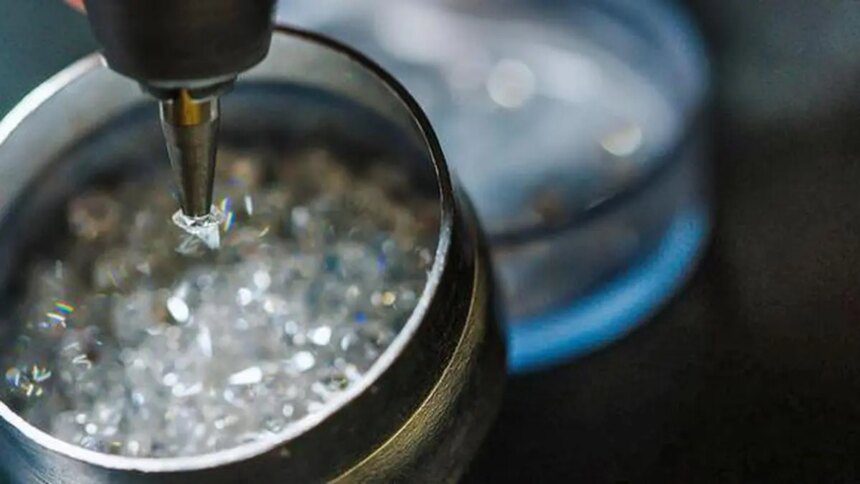

Union Home Minister Amit Shah highlighted the vast potential of India’s lab-grown diamond industry, advocating for domestic control over its entire ecosystem. His comments, made during the 52nd India Gem & Jewellery Awards in Mumbai, reflect both the growth prospects for this emerging market and the importance of maintaining a competitive edge in global trade.
The Expanding Market for Lab-Grown Diamonds
Amit Shah outlined the significant growth opportunity in the lab-grown diamond sector, estimating that it could expand to nearly 50 times the size of the current diamond market. This exponential growth is being driven by advancements in technology, which have lowered production costs, making diamonds more affordable for consumers while also appealing to those seeking ethical and sustainable options.
As global environmental awareness grows, lab-grown diamonds are being recognized for their lower carbon footprint compared to mined diamonds. The perceived value of these gemstones is also rising, driven by consumer preferences shifting toward sustainably sourced products. Currently, the lab-grown diamond market is valued at around $1.5 billion and is expected to grow rapidly in the coming years.
India’s Strategic Position
India stands at a strategic advantage to lead in the lab-grown diamond arena due to its existing infrastructure and skilled workforce. Shah emphasized that the country has the necessary capabilities, capital, and, most importantly, the entrepreneurial spirit to dominate this emerging market. He called on industry players to seize the moment and keep the manufacturing processes, from machinery to marketing, within India’s borders.
The Indian gem and jewellery sector boasts a 6,000-year history and has gained global recognition, especially in cutting and polishing. By leveraging this heritage, along with innovation, India can establish itself as a global hub for lab-grown diamonds. Various Indian startups and companies are already making strides, helping consumers navigate choices between traditional and lab-grown options.
Policies and Future Directions
Shah’s remarks align with the Indian government’s broader economic strategy, which aims to position the country as a leader in various advanced manufacturing sectors. With lab-grown diamonds being part of this strategy, support mechanisms like easy access to capital, grants, and market-ready incentives are likely to follow. Such measures are essential for encouraging investment and innovation, fostering research to improve production technology, and cultivating local talent.
Shah’s comments also hint at a future focus on branding Indian lab-grown diamonds internationally. The government’s backing can elevate India’s status as a significant player in this niche market, providing international consumers with a uniquely Indian offering that emphasizes sustainability and ethical sourcing.
What This Means
For Indian consumers and investors, this move signifies a shift towards localized production that could enhance job creation and economic growth. By keeping the manufacturing and environmental practices in-house, India can ensure quality control while building a robust export market. The emphasis on control over the diamond industry not only serves national interests but also aligns with global beats for local economies and sustainable production.
The emerging market for lab-grown diamonds also represents a crucial opportunity for consumers who are increasingly interested in ethical and eco-friendly options. This could lead to wider acceptance and integration of lab-grown diamonds within mainstream jewelry choices, potentially reshaping consumer behavior in Indian and global markets.
Frequently Asked Questions
What are lab-grown diamonds?
Lab-grown diamonds are created in controlled environments using cutting-edge technology that replicates the natural conditions under which diamonds form. They possess the same physical, chemical, and optical properties as mined diamonds.
Why are lab-grown diamonds considered more sustainable?
Lab-grown diamonds typically have a lower environmental impact than mined diamonds due to reduced land disruption, lower carbon emissions during production, and the absence of issues related to human rights violations often associated with mining operations.
How is the Indian market responding to lab-grown diamonds?
Consumers in India are increasingly recognizing the benefits of lab-grown diamonds, leading to a growing acceptance in mainstream jewelry. Retailers are also focusing on educating consumers about these stones to facilitate informed purchasing decisions.
What opportunities exist for entrepreneurs in this sector?
The lab-grown diamond market offers vast potential for startups and established businesses, including opportunities in technology development, production, branding, and retail. With government support and growing demand, it’s a promising sector for new entrants.