
Summary
The ongoing protests in India following the NEET UG 2026 paper leak have escalated into a significant movement, marked by the tragic loss of 21 young lives due to depression and intense clashes with the police. Despite attempts to suppress dissent, the youth are using social media and creative expression to voice their grievances and demand accountability from the government.
Background of the Protest
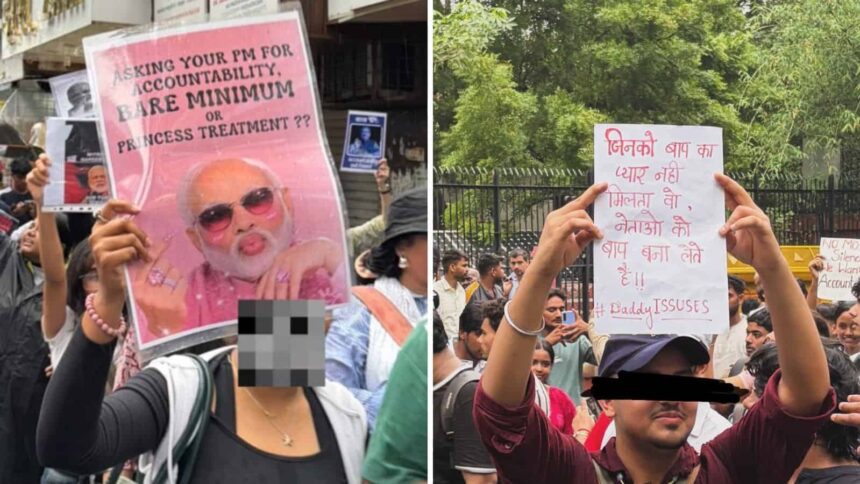
The NEET UG 2026 examination faced a shocking paper leak earlier this year, sparking outrage among students and parents alike. This controversy ignited protests across India, particularly at Jantar Mantar in Delhi. For more than 20 days, demonstrators have collected at this critical site, voicing their fears, frustrations, and aspirations for a fair educational system.
During this period, the youth have faced severe pushback from authorities. Reports describe instances of police brutality, including lathi charges, humiliations, and the use of tear gas to disperse crowds. Despite these aggressive measures, the protests have not subsided, with participants determined to make their voices heard.
Youth Engagement Through Creative Expression
The youth’s response to the situation has been anything but subdued. Many have turned to social media platforms like Instagram and Twitter to share their thoughts creatively. Videos, posters, and songs expressing their emotions have gone viral, effectively mobilizing a larger audience. This Gen-Z phenomenon showcases how young people are leveraging digital tools to convey powerful messages, often using humor and satire to criticize government inaction.
For instance, a parody of the emotional song “Maa” from the film Taare Zameen Par humorously captures the sentiment surrounding Prime Minister Modi’s avoidance of direct accountability. Similarly, a rapper, Garam Kalakar, shares poignant observations regarding the media’s portrayal of events surrounding the protests, further emphasizing the disconnect between the youth’s experiences and the mainstream narrative.
The Role of Humor and Satire
Humor plays a significant role in these protests, with young demonstrators employing satire to communicate their dissatisfaction toward the government. Comments about Modi using “Mentos instead of Melody” not only highlight absurdities in political communication but also create a light-hearted yet critical discourse. By infusing humor into their protests, the youth maintain morale and capture the attention of broader audiences who may be apathetic to traditional forms of protest.
Additionally, some demonstrators have taken to serving snacks like “Melony ke samose” to fellow protesters, transforming hunger into a shared experience while injecting levity into the ongoing struggle. These small acts of kindness and ingenuity symbolize resilience and unity among the protestors, further galvanizing support for their cause.
Why This Matters
This movement represents a significant turning point in Indian political landscape, especially concerning youth engagement. For many young people, this moment is not just about an exam but rather a broader indictment of systemic failures in governance, educational reform, and accountability. The government’s response—or lack thereof—to this mobilization will define its relationship with the younger population for years to come.
The ability to harness social media for social change signals a shift in how political discourse occurs in India. These young voices are not merely protesting; they are shaping narratives and influencing public opinion, setting the stage for future activism and engagement in national issues.
Frequently Asked Questions
What sparked the NEET UG 2026 protests?
The protests were triggered by the leakage of the NEET UG 2026 exam paper, leading to widespread outrage from students and parents demanding accountability and fairness in the examination process.
How has the government responded to the protests?
The government has faced criticism for its violent response, which includes police brutality aimed at dispersing protestors. This has intensified calls for accountability and reform.
What role does social media play in these protests?
Social media serves as a vital tool for youth activism, allowing demonstrators to share their messages, organize protests, and engage with a wider audience, often using humor and creative content to capture attention.
What does the future hold for these protests?
As the protests continue, the outcome will likely depend on the government’s responsiveness to the students’ demands and the momentum maintained by the youth in pushing for systemic change within the education system.