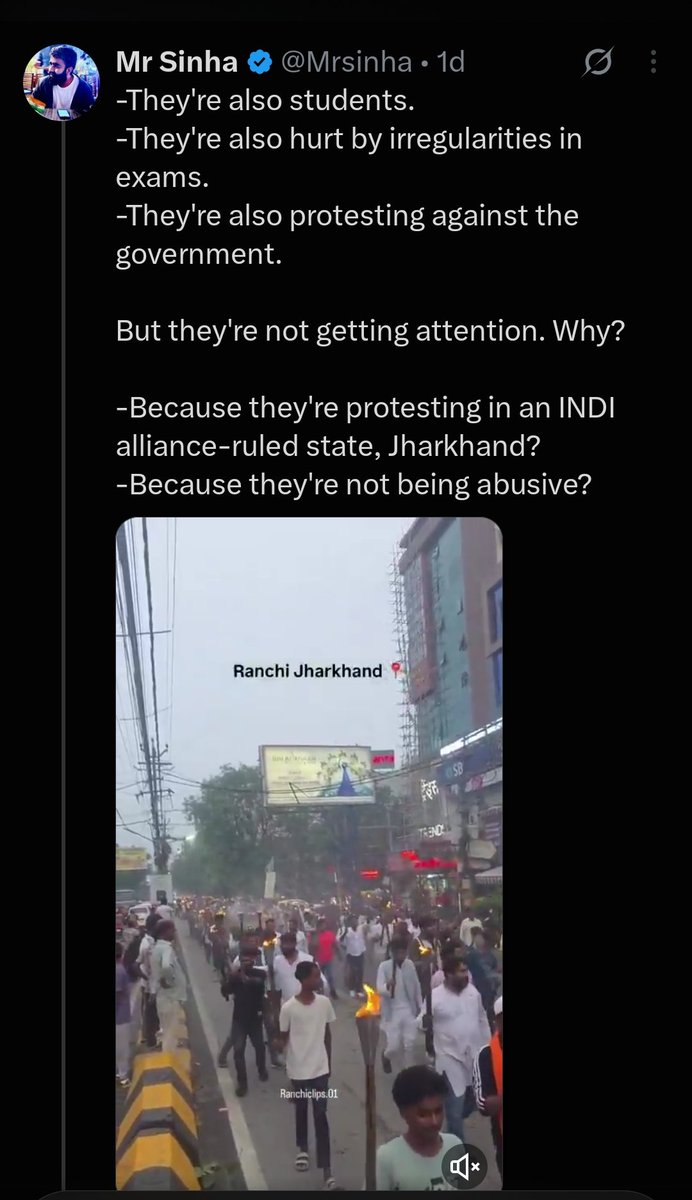

In a recent incident, students alongside Congress supporters organized a protest on September 19th against Union Minister Dharmendra Pradhan, a move that has drawn attention to the challenges students face regarding examination irregularities. Political commentator Mr. Sinha highlighted the perceived neglect of this protest by the media and political circles, raising questions about bias towards protests based on the political context.
Context of the Protest
The protests against Dharmendra Pradhan took place in Jharkhand, a state governed by the INDI alliance. The demonstrators, predominantly students, expressed their grievances stemming from alleged irregularities in educational assessments. Despite their legitimate concerns, this protest did not receive the attention typically afforded to similar demonstrations. The question arises: would the outcome have been different had the students protested in a different political environment?
Highlighting Student Grievances
Mr. Sinha’s observations spotlight the students’ narratives that often go unheard. While many protests across India generate extensive media coverage, particularly when they involve more aggressive tactics or confrontational rhetoric, peaceful protests may be overlooked. In this instance, students protested respectfully, but this approach seems to have diluted the media’s interest in their cause.
Sinha pointed out that students in Jharkhand felt sidelined and questioned whether their non-confrontational approach contributed to their lack of visibility. This dimension raises critical considerations about the methods employed in protests and their effectiveness in attracting attention and eliciting responses from stakeholders.
Media Coverage and Political Perception
The disparity in media coverage of protests is not a new phenomenon in Indian politics. Often, protests in opposition-ruled states receive different levels of scrutiny compared to those in ruling party states. The timing and content of protests might also influence their portrayal in the press. Sinha’s comments encourage a broader examination of the political landscape and the factors that motivate media narrations of such events.
This situation insinuates a critical reflection on journalistic practices and the responsibility of the media to provide balanced coverage that adequately represents diverse voices, especially those of marginalized groups like students. Moreover, it brings attention to the underlying biases that may dictate which protests are prioritized in the public narrative.
Why This Matters
The political implications of this protest stretch beyond the immediate grievances expressed by students. They reveal the intersection of education, civil rights, and political accountability in India. As students represent a significant demographic of the electorate, their concerns and demands can influence electoral outcomes. By analyzing how their protests are received, one can discern the broader societal attitudes toward youth activism and political engagement.
Furthermore, this incident serves as a reminder of the need for inclusive dialogue between the government, educational institutions, and civil society groups. Ignoring the voices of students may have ramifications that extend into future policies affecting education and governance, ultimately affecting the quality of democracy in India.
Frequently Asked Questions
What were the main issues raised during the protest against Dharmendra Pradhan?
The primary grievances focused on irregularities encountered by students in examinations and the lack of attention given to their issues by authorities and media.
Why did Mr. Sinha highlight this protest specifically?
Mr. Sinha aimed to draw attention to the lack of media coverage and political sensitivity toward student protests, particularly when they occur in opposition-led states like Jharkhand.
What is the significance of student protests in India?
Student protests hold considerable political weight as they reflect the concerns of a significant youth demographic, which can influence public policy and electoral outcomes.
How can media coverage impact the success of protests?
Media coverage can determine the visibility and perceived significance of a protest, influencing public sentiment and the responsiveness of political leaders. Lack of coverage can diminish the potential impact of activists’ efforts.