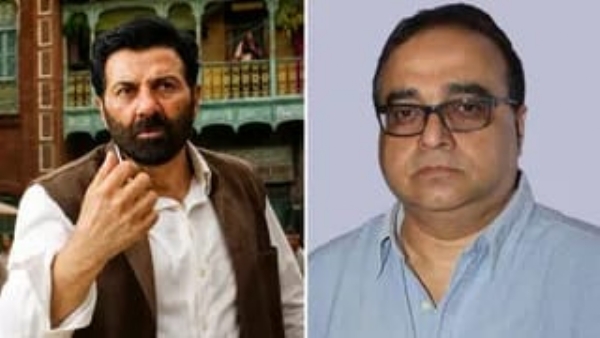

Filmmaker Rajkumar Santoshi has taken a bold step in his recent film ‘Bantwara 1947,’ casting Sunny Deol as an Indian Muslim character amidst a backdrop of the tragic Partition of India and Pakistan. This decision has sparked significant conversation, particularly in light of the broader societal context involving discrimination and marginalization faced by Indian Muslims under various political regimes.
Context of Discrimination in Indian Cinema
The film industry often mirrors societal attitudes, and casting choices can reflect or challenge existing biases. Sunny Deol, traditionally associated with patriotic roles, stepping into the shoes of a Muslim character brings to light the issue of representation. Many Indian Muslims have historically faced challenges in being represented authentically in cinema, often sidelined or pigeonholed into stereotypical roles. In an era where political narratives framing Indian Muslims as “others” have become more prevalent, Santoshi’s choice aims to counteract those trends, although it also opens the film to criticism from various factions.
The Role of Politics in Artistic Expression
Rajkumar Santoshi’s remarks regarding the sensitive nature of depicting Muslim characters in Indian cinema reflect deeper societal concerns. With the rise of the Bharatiya Janata Party (BJP) and affiliated organizations like the Rashtriya Swayamsevak Sangh (RSS), a notable polarization among communities has emerged. Films touching on themes involving Muslims, especially in the context of historical events like Partition, can be viewed as politically charged. In this environment, Santoshi’s attempt to present a message of unity is both a creative and a socio-political risk, challenging the existing narratives that often discriminate against the Muslim community.
Audience Reception and Implications
The initial reception of ‘Bantwara 1947’ indicates a divided audience. While some religious leaders have appreciated its emphasis on communal harmony, the film’s box office performance has not matched expectations. This reflects a complex landscape of audience sentiment—where artistic exploration could become overshadowed by broader societal tensions. In an environment where Muslims are often marginalized, the portrayal of an Indian Muslim character in a leading role by a popular actor like Sunny Deol becomes a significant act that could either bridge gaps or exacerbate divides, depending on how the audience responds.
Why It Matters
This issue highlights the ongoing struggles of Indian Muslims within the cultural framework shaped by political narratives. Social exclusion, economic boycotts, and discrimination are not only prevalent in society but are reflected in cultural expressions such as cinema. Rajkumar Santoshi’s choice to cast Deol in a Muslim role serves as an important commentary on representation and the necessity for diverse narratives that promote harmonious coexistence. The implications of such choices extend beyond cinema and into the broader conversation about inclusivity in Indian society, the role of the government, and the impact of communal sentiments on everyday lives.
Frequently Asked Questions
What is the significance of casting a Hindu actor as a Muslim character in Indian cinema?
This decision can challenge stereotypes and promote cross-community understanding, but it can also attract criticism based on prevailing socio-political sentiments.
How does ‘Bantwara 1947’ address issues of communal harmony?
The film aims to portray the shared suffering of people during the Partition, emphasizing themes of unity and coexistence between different faiths.
Why is the representation of Indian Muslims in cinema important?
Authentic representation can counteract stereotypes, promote understanding, and foster a greater sense of community cohesion in a diverse society.
What has been the public response to the film and its themes?
The audience’s reception has been mixed, with some praising its message of unity while others critique the casting choice based on societal biases.