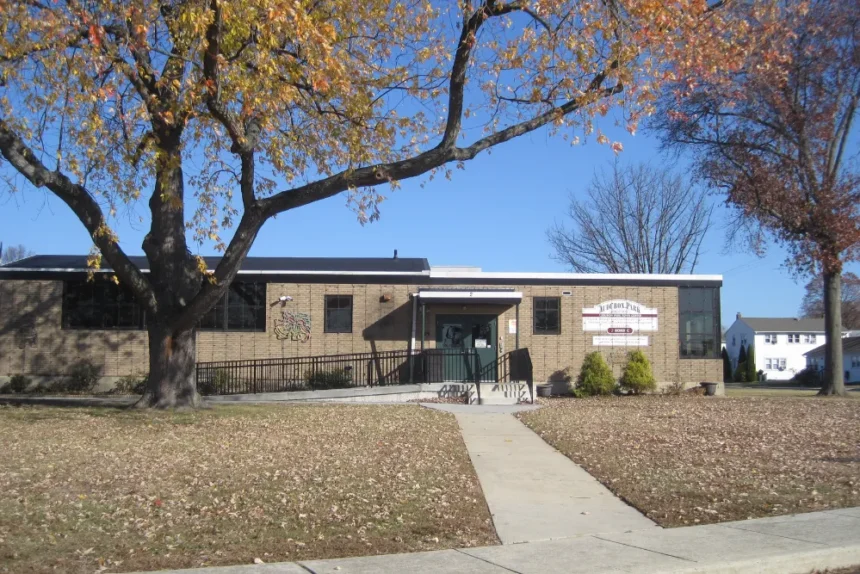

As urban areas in India continue to see rapid development, the safety of walking surfaces is increasingly becoming a significant issue. Poorly maintained sidewalks and parking areas lead to slip and fall accidents, prompting a demand for legal accountability. This article explores the risks associated with slip and fall incidents and highlights the importance of addressing these hazards.
Understanding Slip and Fall Risks in Urban Areas
Slip and fall accidents are a leading cause of unintentional injuries. Aging infrastructure and the rapid pace of urban development can create numerous hazards. Cracked pavements, uneven curbs, and poorly maintained walkways contribute to these risks, especially in busy commercial zones.
For instance, in areas like Audubon, New Jersey, where sidewalks and streets reflect a long history, the needs for maintenance often lag behind the growing traffic from both pedestrians and vehicles. Similar conditions can be observed in many densely populated cities across India, where continuous redevelopment occurs without adequate safety measures in place. Older neighborhoods, much like Audubon, face the challenges of uneven surfaces that have not been updated to meet modern safety standards.
Common Locations for Slip and Fall Accidents
Specific locations pose higher risks for slip and fall accidents. In urban Indian settings, these typically include:
- Commercial Areas: Streets lined with shops and malls often have crowded sidewalks where spills and debris may go unnoticed, leading to accidents.
- Parks and Public Spaces: Inadequate maintenance in parks can create uneven ground or block pathways, increasing the risk of falls.
- Residential Complexes: Many older buildings may have maintenance issues, such as broken steps or uneven entryways, linking back to the property owner’s responsibilities.
In these high-risk areas, municipalities and property owners must prioritize safety audits and address maintenance to prevent potential injuries.
Legal Perspectives: Holding Responsible Parties Accountable
The legal responsibilities for maintaining safe walking environments primarily fall on property owners and local authorities. In India, negligence in maintaining property can lead to legal claims, especially if it can be proven that the owner was aware of the hazardous conditions but failed to remedy the situation.
If someone is injured due to a slip and fall, documenting the scene, including photographs and witness statements, is vital. When pursuing claims, injured parties are advised to consult legal experts who specialize in personal injury to navigate through the complexities of establishing liability and securing compensation for their injuries.
Why This Is Trending
As urban development accelerates in Indian cities, many are starting to recognize the importance of pedestrian safety. With increasing awareness about public liabilities and rights, citizens are actively seeking information about slip and fall accidents and how they can protect themselves legally. Social media campaigns and news stories highlighting these risks have generated discussions, prompting individuals to seek legal advice or pursue necessary actions against negligent property owners.
Frequently Asked Questions
What are common causes of slip and fall accidents in urban India?
Common causes include uneven sidewalks, slippery surfaces due to spills, poor lighting, and weather-related hazards such as rain or snow. Regular maintenance is crucial to prevent these risks.
How can I prove liability in a slip and fall case?
To establish liability, you must demonstrate that the property owner was negligent. This includes showing they were aware of the hazardous condition and failed to act. Gathering evidence such as photos, witness statements, and maintenance records can support your claim.
What steps should I take immediately after a slip and fall accident?
If you experience a slip and fall, seek medical attention immediately, even if injuries seem minor. Document the scene and gather contact information from witnesses. Lastly, consult with a legal professional to explore your options.
How can community members advocate for safer walking environments?
Community members can advocate by attending local council meetings to raise safety concerns, participating in safety audits, and urging local governments to invest in better infrastructure and maintenance. Mobilizing awareness through social media platforms can also be effective.