In recent years, the political landscape in India has sharply polarized, particularly against the backdrop of the ruling Bharatiya Janata Party (BJP) and its ideological parent, the Rashtriya Swayamsevak Sangh (RSS). Discrimination, social exclusion, economic boycotts, and marginalization of the Muslim community have emerged as significant concerns, as articulated in various discourses and analyses. This article seeks to unpack the systemic challenges confronting Indian Muslims under the current regime, relying on foundational texts and contemporary criticisms of political dynamics in India.
The Discrimination Narrative
The marginalization of Muslims in India has been underscored by various thinkers. Javed Akhtar, a noted poet and scriptwriter, recently pointed out that despite the daunting challenges posed by the current political dispensation, the spirit of India’s pluralism—rooted in ideas of non-violence and secularism—remains resilient. This resilience is starkly contrasted with the narratives of despair presented by authors such as Ghazala Wahab in her 2021 book “Born A Muslim,” where she highlights the scars of systematic discrimination that have left Muslims grappling with “identity, security, and education.”
The socio-economic implications of exclusion are alarming. Reports have indicated that the literacy rate among Muslims falls below the national average, and they have significantly lower representation in civil services. Such statistics illuminate a grim picture of social stratification echoing the historical injustices faced by marginalized communities in India, akin to those faced by Scheduled Castes and Scheduled Tribes.
Politics of Identity and Historical Context
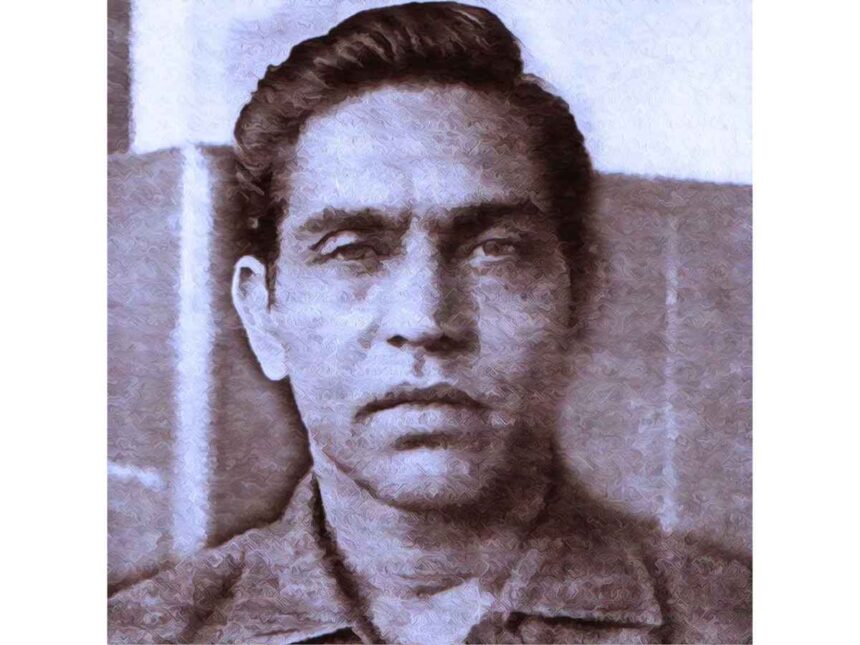
A crucial element in understanding contemporary Muslim politics in India lies in the critiques of historical figures like Muhammad Ali Jinnah and Mahatma Gandhi. Hamid Dalwai, a pioneering thinker, vehemently argued against the prevailing narratives that paint Jinnah as a secular leader thwarted by Gandhi’s intransigence. Instead, Dalwai asserted that India’s secular framework emerged from its Constitution, contrasting sharply with Jinnah’s vision for Pakistan, which devolved into a state marred by anti-secular policies.
This historical reinterpretation serves to challenge the existing viewpoints that minimize the urgency for reform within the Muslim community. The need for a liberal intellectual class has been emphasized by prominent scholars, including historian Ramachandra Guha, who lament the absence of voices striving for change in Muslim society. However, the critiques from figures like Ali Engineer remind us that the present plight does not solely stem from within, but also arises from sustained external pressure, notably the aggressive promotion of Hindu nationalist agendas.
Grassroots Movements and Reform Initiatives
Hamid Dalwai himself founded the Muslim Satya Sodhak Mandal in 1970, inspired by the ideas of social reformer Jyotirao Phule. This initiative aimed to dismantle regressive practices such as triple talaq, while calling for modern education and secular values. Dalwai’s activism, which included organizing women’s rallies advocating for a uniform civil code, faced severe backlash but also laid the groundwork for future advocacy for Muslim women’s rights.
The impact of these grassroots movements is beginning to resurface in contemporary activism. Reports from organizations like the Sachar Committee have highlighted the urgency for reform, echoing Dalwai’s belief that addressing women’s rights is a matter of justice—and not solely about religious interpretation. Furthermore, the rising awareness among younger generations, who are increasingly embracing secular ideals, signals a potential shift that could challenge the status quo.
Why It Matters
The ongoing discourse surrounding the marginalization of Indian Muslims reveals significant underlying currents in India’s sociopolitical fabric. For the global audience, understanding these dynamics is crucial, especially as they relate to issues of human rights, democracy, and secularism. As debates intensify over civil rights and social equity, the interplay between various communities can serve as a litmus test for the health of India’s democracy. Furthermore, the global implications of these issues extend beyond India’s borders, affecting international relations and the global perception of religious tolerance and cultural integration.
Frequently Asked Questions
What are the main issues facing Indian Muslims today?
Muslims in India face systemic discrimination, economic marginalization, and social exclusion, often exacerbated by political rhetoric and policies that reinforce communal divides.
How has the BJP government impacted Muslim rights?
The BJP’s governance has been marked by an ideological agenda fostering Hindu nationalism, often leading to policies that many perceive as marginalizing Muslims and undermining their rights.
What role do grassroots movements play in advocating for Muslim rights?
Grassroots movements, such as those initiated by Hamid Dalwai, aim to address regressive practices, promote secular values, and advocate for educational opportunities, empowering Muslims to seek justice and equality.
Are there signs of change among younger Muslims in India?
Yes, younger Muslims are increasingly embracing secularism and engaging in activism, indicating a potential shift towards greater integration and empowerment within the broader socio-political landscape of India.