
Summary
In New Delhi, escalating tensions surrounding the Faiz-e-Elahi Mosque have revealed how misinformation can contribute to communal unrest, particularly against the backdrop of an anti-encroachment drive conducted by the Municipal Corporation of Delhi (MCD). Authorities have reported that misleading audio messages circulated on WhatsApp fueled fears of a mosque demolition, necessitating rapid responses from law enforcement to curb potential violence and misinformation.
The Role of Misinformation
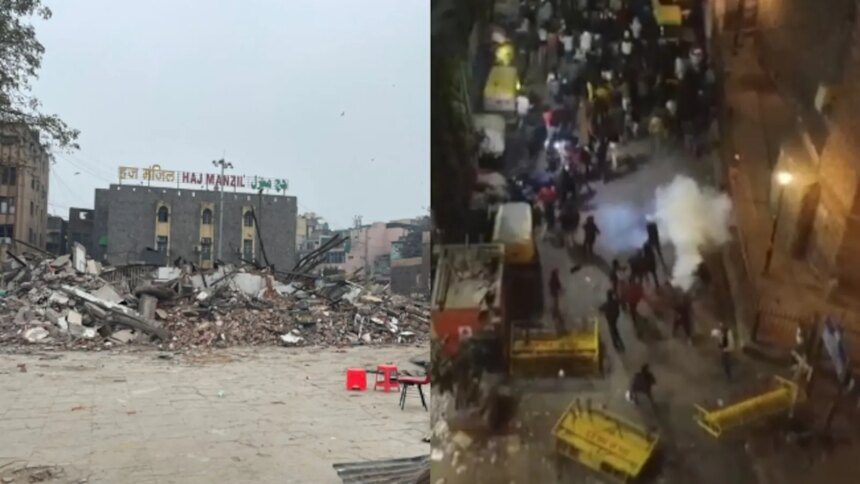
Recent violence near the Faiz-e-Elahi Mosque stemmed from rumors propagated through multiple WhatsApp groups, suggesting the MCD intended to demolish the mosque. Such claims intensified social tensions, resulting in stone-pelting incidents that led to injuries among police personnel. The swift police response, including arrests of individuals involved, highlights the authorities’ concern over how quickly misinformation can escalate into real-world violence.
Investigators noted that the misinformation spread predominantly through voice notes shared across community and neighborhood groups. With some groups already under surveillance, police were positioned to counter the narrative as it unfolded. This proactive approach involved engaging community leaders and clerics to clarify that the mosque was not targeted in the anti-encroachment drive. Despite these efforts, the initial spread of misinformation created waves of panic and unrest.
Law Enforcement’s Proactive Measures
The police implemented a strategy to mitigate the potential fallout of the rumors by forming connections with community members. Senior officers personally engaged with religious leaders to dispel fears about the mosque’s safety. Additional Commissioner of Police Nidhin Valsan held discussions with a significant number of local maulvis, emphasizing that only illegal encroachments were being targeted. These meetings aimed not just to clarify the government’s intentions but to actively involve the community in maintaining peace.
Amid these developments, police were also monitoring various social media influencers who had allegedly spread false information regarding the mosque’s status. The identification of at least ten individuals complicates the narrative further, as it underscores the intersection of misinformation and social media in communal relations in India. With one influencer already summoned for questioning, the authorities appear keen on addressing the roots of the disinformation campaign.
Historical Context and Community Impact
This situation takes place within a wider context of increasing marginalization and social exclusion of Muslims in India, often exacerbated by the policies and rhetoric of the ruling Bharatiya Janata Party (BJP) and affiliated groups. Instances of communal disharmony tied to property demolitions and other forms of state action against perceived encroachments have caused anxiety within Muslim communities, echoing fears from prior events. Such actions have led to a growing sentiment of vulnerability among Muslims, propelling them to seek community solidarity and legal recourse against state actions.
The current situation also raises questions about communal harmony in a diverse society where sectarianism often threatens peace. It reveals the delicate balance between urban development needs and minority rights, a point of contention that frequently surfaces in India.
Why It Matters
The unfolding events surrounding the Faiz-e-Elahi Mosque serve as a crucial case study of how misinformation can foster communal tensions in multi-religious societies. It underscores the broader implications for governance, community relations, and social justice in India, particularly under right-leaning political regimes. Understanding these dynamics is essential for future policy-making that aims to reduce marginalization and build communal harmony.
Frequently Asked Questions
What sparked the unrest near the Faiz-e-Elahi Mosque?
The unrest was triggered by misleading audio messages alleging that the government planned to demolish the mosque as part of an anti-encroachment drive by the Municipal Corporation of Delhi.
How did the police respond to the situation?
Police moved swiftly to counter the misinformation, engaged with community leaders, and arrested individuals involved in promoting the false claims to prevent further violence.
What strategies were employed to address community fears?
Police actively engaged with local religious leaders and community elders to clarify the situation, ensuring that they communicated that the mosque was not under threat and that only illegal encroachments were targeted.
How do these incidents relate to broader societal issues in India?
This incident reflects ongoing tensions and marginalization faced by Muslim communities in India, often exacerbated by misinformation and state policies that can incite communal discord.