
Bangladesh-India Diplomatic Tensions Over Extradition
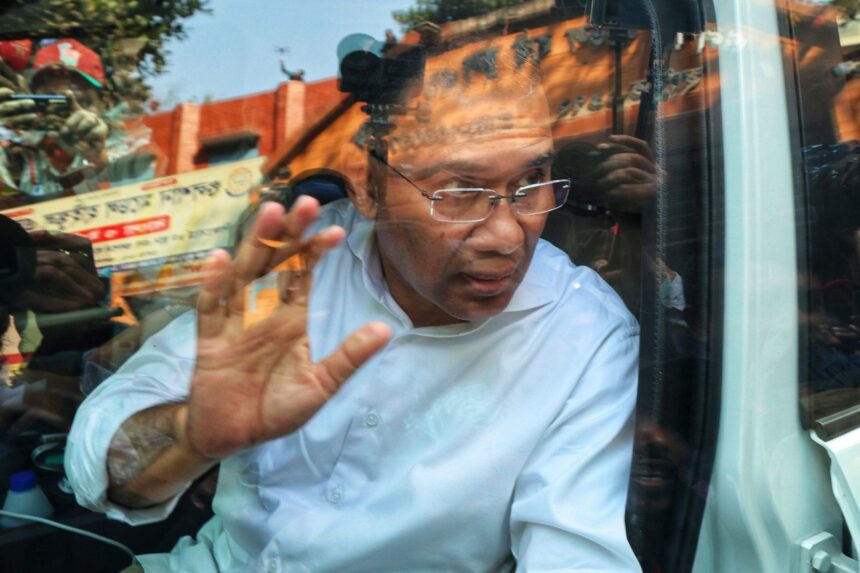
The diplomatic relationship between Bangladesh and India faces new strains as Bangladesh Prime Minister Tarique Rahman signals he may not attend the upcoming BRICS summit unless India extradites former Prime Minister Sheikh Hasina. This ongoing saga illustrates the complexities in the geopolitical dynamics of South Asia, highlighting how internal politics can affect international relations.
Current State of Diplomatic Relations
During a meeting with Indian High Commissioner Dinesh Trivedi on August 10, Rahman expressed that India’s refusal to extradite Hasina is a significant barrier to improving bilateral relations. The rejection of this request casts a shadow on Prime Minister Narendra Modi’s invitation for Rahman to visit New Delhi for both a bilateral meeting and the BRICS summit scheduled for September 12-13. With Bangladesh currently chairing BIMSTEC—an important regional group—New Delhi has a vested interest in maintaining a functional partnership. However, Dhaka has made it clear that further bilateral engagements will also hinge on the response to Hasina’s extradition.
Underlying Political Struggles
The backdrop of these developments is marked by ongoing political tensions. Sheikh Hasina, now living in exile, is perceived as a vocal opponent of Rahman’s government, ramping up her campaign against it from afar. Her return and potential trial in Bangladesh, which the Rahman government seeks, remains contentious. Following her participation in a media event from India on August 5—two years after fleeing Dhaka—Hasina criticized the current administration and reiterated her plans to return, even if it risks her imprisonment. This situation has intensified accusations from Dhaka against India for allowing a “convicted genocider” to use its territory for anti-government rhetoric.
Why It Matters
The diplomatic tensions around Hasina’s potential extradition illustrate broader concerns about stability in South Asia. They reflect the shifting balance of power between regional players, particularly concerning India’s strategic interests in Bangladesh. The situation may impact India’s foreign relations and its roles in regional organizations like BIMSTEC, as well as its broader diplomatic outreach in South Asia. The implications of these tensions also pose challenges for economic collaboration, regional security, and humanitarian initiatives that require cooperation between both countries.
Frequently Asked Questions
What prompted Bangladesh to request Sheikh Hasina’s extradition?
Bangladesh’s current government under Tarique Rahman views Hasina as a political threat and believes her extradition is necessary for national stability and the rule of law.
What has been India’s response to the extradition request?
India has not publicly committed to extraditing Hasina, and New Delhi distanced itself from her recent media activities, stating that it did not organize or endorse her statements against Rahman’s government.
What are the implications of the strained relations for both countries?
Strained relations can hinder economic cooperation, disrupt trade agreements, and complicate security collaborations between Bangladesh and India, which are crucial for regional stability.
How might this diplomatic tension affect the BRICS summit?
If Rahman decides not to attend, it could underscore the divisions in regional politics and distract from the cooperative agenda that BRICS aims to promote, potentially diminishing the initiative’s effectiveness in South Asia.