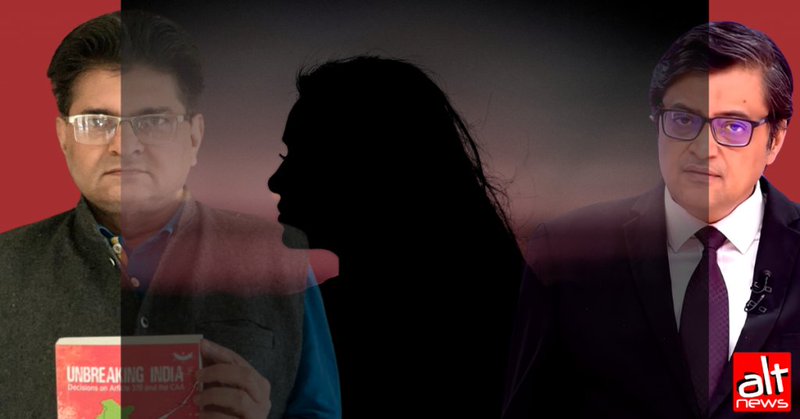

The ongoing targeting of women protestors involved in the CJP (Citizens for Justice and Peace) movement has escalated weeks after the protests began. Right-wing groups have leaked the personal information of these women, leading to threats against them, while prominent television anchors have reportedly participated in this harassment.
Background of the CJP Protests
The CJP protests emerged in response to perceived injustices against marginalized communities in India. These demonstrations garnered significant attention and participation from various societal segments, focusing on issues of systemic discrimination and human rights violations. As the movement gained momentum, it became a focal point for both supporters and detractors, leading to escalating tensions.
Targeting of Women Protestors
In the wake of the protests, a coordinated online campaign targeting female protestors was initiated by detractors, primarily from right-wing factions. This campaign included the dissemination of videos and personal information about these women, thereby creating an atmosphere of fear and intimidation. Social media accounts involved in this harassment have used their platforms to undermine the credibility and safety of these women, violating their privacy and exposing them to threats.
The Role of Media and Public Figures
Notably, some prominent television personalities have been implicated in this harassment, contributing to a broader culture of intimidation directed at the protestors. By discussing the protestors on-air without context and amplifying the narratives pushed by right-wing groups, these media figures have played a role in the organized smear campaign. This involvement not only legitimizes the attacks on the protestors but also encourages others to engage in similar behaviors.
Why This Matters
The targeting of women participating in political protests raises significant concerns about freedom of expression and the safety of activists in India. It highlights a worrying trend where dissent is met with hostility, particularly against women, who face additional layers of discrimination. The media’s role in perpetuating this culture of violence against dissenters is equally troubling, emphasizing the need for responsible journalistic practices and protections for activists. Addressing these issues is crucial for maintaining the integrity of democratic processes in India.
Frequently Asked Questions
What is the CJP movement?
The CJP (Citizens for Justice and Peace) movement is a civil society initiative focused on advocating for justice and the protection of minority rights in India, particularly in relation to communal violence and state oppression.
How have women protestors been targeted?
Women protestors have been subjected to online harassment, including the leaking of personal information and public shaming through social media platforms, often encouraged by influential media figures.
What role do media personalities play in this situation?
Some media personalities have amplified negative narratives against the protestors, effectively participating in harassment campaigns that seek to delegitimize their voices and intimidate them out of the public sphere.
Why is this issue significant for civil rights in India?
Targeting activists, especially women, raises alarms regarding civil rights, freedom of expression, and the safety of political dissenters. It underscores the urgent need for legal protections and cultural change surrounding the treatment of activists in India.