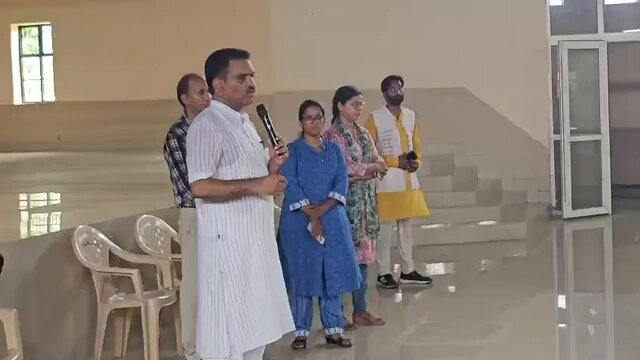

The recent remarks made by Mamta Tripathi regarding ministerial negligence towards the conditions of schools and hostels that serve underprivileged children have stirred significant attention. Alleging that the educational environment for Dalit students is in disarray, she criticizes government officials for prioritizing political theatrics over genuine reform.
Ministerial Accountability
The essence of Tripathi’s statements lies in her assertion that government officials, specifically ministers, are engrossed in bureaucratic formalities rather than addressing pressing educational needs. She highlights a significant budget allocation of ₹1,655 crore to the Social Welfare Department, questioning why the conditions of schools and hostels, particularly those catering to Dalit students, remain deplorable. Tripathi’s comments suggest an urgent need for accountability and proactive measures from government entities to uplift educational standards and facilities for marginalized communities.
Critical Conditions in Kannaouj and Meerut
Focusing on Kannaouj, the constituency represented by the minister, and Meerut, where the minister holds responsibility as a caretaker official, Tripathi unveils uncomfortable truths. She states that the hostels for students in these areas are in dire conditions, hindering the education and safety of students. The inability to provide a conducive environment for academic preparation denies students their fundamental rights to education and welfare. Tripathi’s concerns emphasize the pressing necessity for governmental reforms to improve these educational facilities.
Protests by Students
The situation escalated when students from Jan Narayan Sarvodaya School took to the streets in Lucknow, demanding better facilities and support. Clad in their school uniforms, the students voiced their grievances, reflecting a broader frustration within the educational community. Their actions have placed added pressure on local authorities, particularly the Lucknow police, who are now under scrutiny for their response to the protests. Such public demonstrations underscore the discontent among students and parents alike regarding the government’s perceived neglect of their educational needs.
Why This Matters
The significance of Mamta Tripathi’s statements extends beyond personal grievances against specific officials. It highlights a systemic issue within the Indian educational framework, particularly for marginalized communities. Education is a powerful tool for social upliftment, and its neglect can lead to increased socioeconomic disparities. As political leaders are held accountable for their promises and the conditions of educational institutions, the outcome of this situation will likely influence public perception and trust in government efforts aimed at social justice and equality.
Frequently Asked Questions
What are the main complaints raised by Mamta Tripathi?
Tripathi’s primary complaints revolve around the inadequate conditions of schools and hostels for Dalit students and the lack of accountability among ministers regarding educational reform.
What budget has been allocated to the Social Welfare Department?
The Social Welfare Department recently received an allocation of ₹1,655 crore, which raises questions about the ineffectiveness of utilizing these funds to improve educational facilities.
Why are students protesting in Lucknow?
Students from Jan Narayan Sarvodaya School are protesting to demand better facilities and attention from the government to their educational needs, reflecting widespread frustration with the current state of their schools.
What political implications arise from these events?
These events highlight the ongoing challenges within the Indian education system, particularly for marginalized groups, and could influence future policies and the perception of government accountability among the electorate.