
Recent discussions surrounding the treatment of journalists in India highlight ongoing challenges faced by the media, particularly concerning issues of communalism and press freedom. Prominent commentator @zoo_bear has faced criticism for his perceived biases, especially against Muslims, and the discourse sheds light on the broader implications for journalistic integrity and safety.
Context of the Current Discussion
The remark about @zoo_bear suggests a historical pattern of prejudice in his commentary. This perspective claims that he has consistently reserved harsh criticism for Muslim communities over the years. Regularly appearing on programs such as those hosted by Barkha Dutt and Smita Prakash, his influence in the media landscape is significant. This scrutiny comes against the backdrop of a climate where journalists are increasingly vulnerable to threats and harassment.
The Role of Social Media in Political Commentary
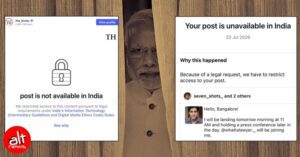
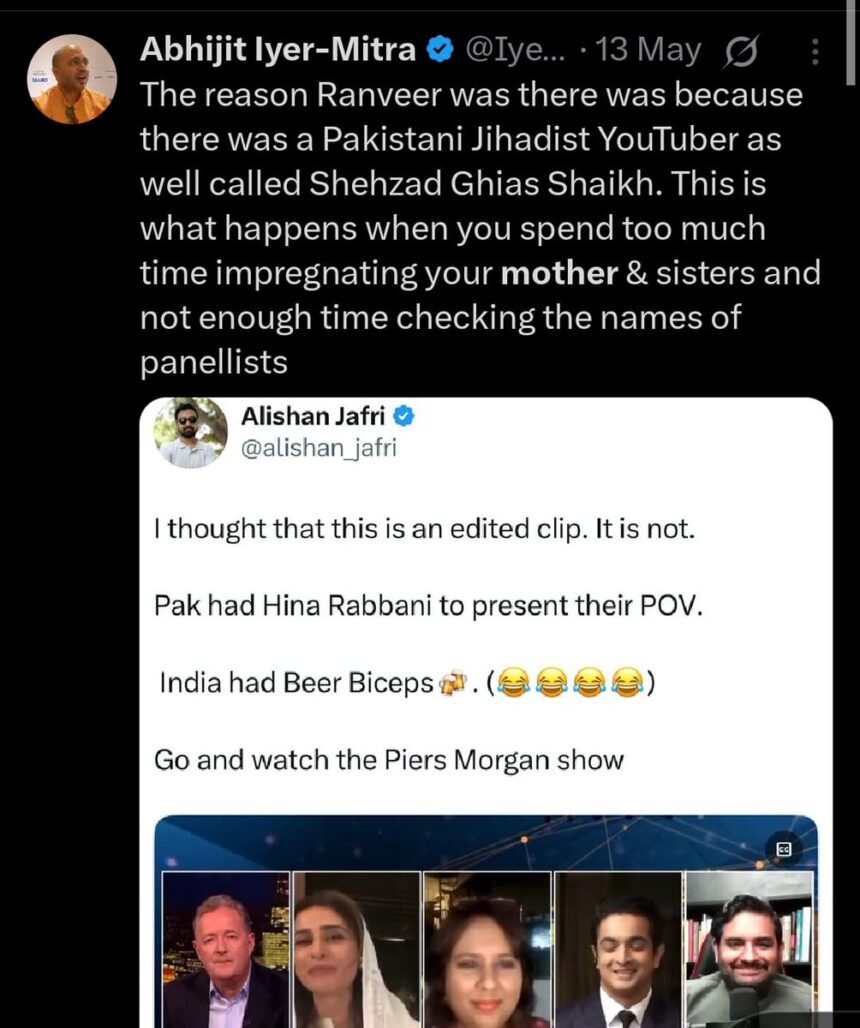
Social media has transformed how political discourse unfolds in India, often amplifying voices that challenge mainstream narratives. However, it also facilitates divisions. The tweet by journalist Ravish Kumar highlights the challenges faced by journalists today, especially as they confront intimidation and misinformation. This tweet underscores the importance of scholars and commentators who are willing to challenge prevailing narratives, even when it invites backlash.
The Challenges for Journalists Today
In a climate where press freedom is under threat, journalists face not only physical intimidation but also character attacks. Kumar’s statement emphasizes the risk that journalists endure, detailing how they often navigate a complex web of public opinion, political pressures, and personal safety concerns. He points to the dichotomy of honoring women in public discourse while using derogatory language behind closed doors. This highlights the cultural and societal challenges that press individuals face and the need for a protective framework for journalists to operate freely.
Why This Matters
The political significance of this discussion is profound for Indian readers. It raises essential questions about the freedom of the press, the safety of journalists, and the dynamics of communal politics in India. As the nation grapples with a complex social fabric, the role of media as a watchdog becomes increasingly vital. In a society where misinformation is rampant, the ability of journalists to report independently and without fear is crucial for an informed citizenry. The implications of targeting specific communities in media narratives can exacerbate societal tensions, making it imperative for the public to engage critically with media consumption.
Frequently Asked Questions
What patterns are observed in @zoo_bear’s commentary?
Observers claim that he has a history of bias against Muslim communities in his political commentary, continuing a trend that some find problematic.
What role do journalists play in political discourse?
Journalists act as watchdogs, offering insights, investigations, and a platform for public discourse, which are essential for a functioning democracy.
How has social media impacted political commentary in India?
Social media amplifies diverse voices but also subjects commentators to intensified scrutiny and harassment, complicating their roles within political discourse.
What are the implications of character attacks on journalists?
Character attacks can undermine the credibility of journalists and influence public perception, potentially deterring others from pursuing critical or dissenting journalism.