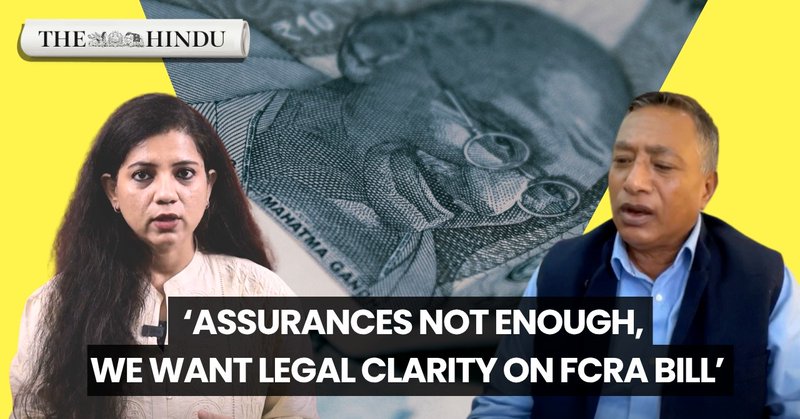

BJP MLA from Meghalaya, AL Hek, has expressed concerns regarding the Foreign Contribution (Regulation) Act (FCRA) Bill, 2026, claiming that his multiple letters to Home Minister Amit Shah requesting an appointment have gone unanswered. In a recent interview, Hek emphasized the significant role that Christian institutions play in charity within tribal areas, further urging transparency in the legislative process.
Overview of AL Hek’s Claims
AL Hek, a member of the Bharatiya Janata Party (BJP) representing Meghalaya, has been vocal about the implications of the proposed FCRA Bill. His efforts to contact Home Minister Amit Shah highlight a growing frustration in some political circles regarding the lack of dialogue over critical legislative changes. In the context of his advocacy, Hek remarked on the contributions of Christian organizations, noting that they are often the largest charity providers in tribal regions, an assertion that underscores the intersections of religion, charity, and politics in India’s diverse landscape.
The FCRA Bill and Its Implications
The Foreign Contribution (Regulation) Act, originally enacted in 1976 and amended multiple times, aims to regulate the acceptance of foreign funds by NGOs and other organizations in India. The proposed changes under the FCRA Bill, 2026, have raised alarms among various sectors, particularly NGOs that rely heavily on foreign donations for their operations. Critics argue that these amendments could hinder the ability of organizations, especially those working in marginalised communities, to receive funds necessary for their initiatives. Hek’s statements indicate a concern that the bill may affect essential charitable work, primarily carried out by Christian institutions, thereby impacting local communities.
Political Context and Reactions
Hek’s remarks come at a time of increased scrutiny on NGOs, especially in the wake of the previous restrictions under the FCRA that made headlines. The BJP, while advocating for a more regulated funding environment, faces backlash from various political and social quarters that accuse the government of stifling dissent and undermining civil society. Hek’s frustrations resonate with those who believe that constructive discourse is crucial in shaping legislation that affects millions of lives. His calls for dialogue can be seen as an appeal for a more inclusive approach in governance, especially around contentious issues like foreign contributions.
Why This Matters
The sentiments expressed by AL Hek illuminate critical tensions within Indian politics, especially regarding the interplay between governance, civil society, and religious organizations. As India navigates issues of foreign funding, the implications of the FCRA Bill extend beyond legal frameworks; they touch upon freedoms related to religion and charity. For the Indian populace, particularly in tribal areas, the outcome of this legislative process could determine the viability of critical welfare programs that rely on foreign support. Hek’s push for accountability within the government sheds light on broader calls for transparency, challenging the narrative of a government acting without sufficient engagement with its stakeholders.
Frequently Asked Questions
What is the FCRA Bill, 2026?
The FCRA Bill, 2026 proposes amendments to the Foreign Contribution (Regulation) Act, which governs the acceptance of foreign funds by organizations in India. The changes aim to enhance regulatory oversight.
Why are Christian institutions mentioned in this context?
Christian institutions are highlighted by AL Hek as significant providers of charity in tribal areas. They often rely on foreign contributions to sustain their charitable activities, which could be impacted by the proposed FCRA amendments.
What has been AL Hek’s response to the lack of communication from the Home Minister?
AL Hek has expressed frustration at not receiving an appointment from Home Minister Amit Shah despite writing multiple letters, signaling a desire for more engagement on crucial legislative matters.
What are the concerns surrounding the FCRA amendments?
Concerns include the potential hindrance of NGO operations that depend on foreign funding, with critics arguing that the amendments may disproportionately affect organizations serving marginalized communities.