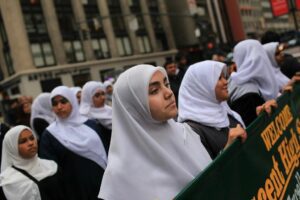
AhlulBayt News Agency (ABNA): Recent legislative proposals by Texas Republicans aim to impose severe restrictions on the Muslim community in the state, suggesting bans on hijabs in schools, halal food, and public congregational prayers. This controversial agenda, presented as a means to counteract the so-called “Islamization of Texas,” raises significant questions about religious freedom and civil rights for Muslims and non-Christians alike.
Legislative Actions Targeting Religious Practices
The proposed laws in Texas represent a significant escalation in the ongoing political discourse surrounding Islam and its adherents. Among the most concerning elements are suggested bans on the wearing of hijabs in public schools, effectively targeting the religious identity of Muslim students. Additionally, banning the sale of halal food would directly impact the dietary practices essential to a sizable portion of the state’s Muslim population. The legislative agenda also seeks to restrict the ability of Muslims to gather for congregational prayers, further encroaching on their freedom to practice religion.
Impact on Education and Social Integration
Alongside these bans, the proposed incorporation of educational materials that misrepresent Islam and Sharia as violent is alarming. Such actions not only undermine the principles of accurate education and cultural understanding but also perpetuate Islamophobic sentiments among students. Critics of these legislative initiatives argue that they foster an environment of discrimination and fear, which could have lasting implications for the social integration of Muslims within broader Texan society.
Broader Implications for Religious Freedom
This movement against Muslims in Texas mirrors similar actions taken in other states and countries, signaling a troubling trend towards the marginalization of religious minorities. The framing of these laws as necessary to prevent “Islamization” feeds into a larger political narrative that seeks to demonize a growing demographic within Texas. Many fear that this tactic not only infringes on religious freedoms but opens the doors for increased harassment and acts of violence against Muslims and non-Christians in general.
Why It Matters
The implications of these Texas legislative proposals extend beyond local borders. For developers and users of artificial intelligence, this situation raises critical questions about bias and representation. As AI technologies increasingly influence decision-making processes, the marginalization of groups like Muslims complicates the framework within which algorithms operate. It underscores the importance of developing AI systems that promote inclusivity and fairness, so that they do not inadvertently perpetuate existing societal prejudices.
Frequently Asked Questions
What are the specific legislative proposals targeting Muslims in Texas?
The proposals include banning hijabs in public schools, halting the sale of halal food, prohibiting public congregational prayers, and revising educational materials to portray Islam negatively.
How might these laws affect the Muslim community in Texas?
If enacted, these laws could severely limit the ability of Texas Muslims to practice their faith, impacting their personal lives, community interactions, and cultural identity.
What is the rationale behind the Texas Republican’s agenda?
Republicans claim these measures are necessary to prevent what they characterize as the “Islamization of Texas,” a political narrative focused on diminishing the influence of the growing Muslim population.
What are the potential consequences of these legislative actions?
The proposals could foster a climate of discrimination, leading to increased harassment and violence against Muslims. They may also undermine the broader principles of religious freedom enshrined in U.S. law.