Summary
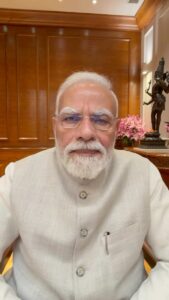
In a recent tweet from Indian Prime Minister Narendra Modi, he emphasized the futility of abuse and called for uniting efforts to guide those who are misled in society. His remarks seem to address ongoing political tensions and the tactics used by various factions to manipulate public sentiment through outrage and media strategies.
Context of the Statement
Prime Minister Narendra Modi’s tweet can be seen as a response to the various ongoing political controversies in India. Social media has transformed into a battleground where political narratives are often shaped through campaigns that incite fury among supporters. Modi’s statement reflects a desire to steer the discourse towards constructive dialogue rather than confrontational tactics.
The political landscape in India is rife with heated exchanges, especially between supporters of the Bharatiya Janata Party (BJP) and opposition parties. Many commentators, including prominent voices on social media platforms, have noted that funded backing and orchestrated media narratives play significant roles in this environment of outrage. Modi’s appeal for unity and dialogue suggests that he aims to elevate the political conversation above personal attacks and divisive rhetoric.
Background on Political Strategies
The phenomenon of strategic outrage is not new in Indian politics. Political groups often leverage emotional appeals to galvanize their base or discredit opponents. Accusations of gaslighting have surfaced, highlighting how various factions twist information or create misleading narratives to provoke public reaction. This method can culminate in what many refer to as “witch hunts,” where dissenting voices are aggressively targeted.
Modi’s call for work towards a common goal, ‘Bharat,’ serves as a strategic pivot from this adversarial dynamic. By portraying himself as a mediator seeking to help the ‘misguided,’ he aims to position the BJP as not just a political party but as a unifying force in a fragmented society. This approach allows him to counteract criticisms and frame the narrative positively.
Analysis of the Response
The reaction to Modi’s statement has been mixed. Supporters appreciate the emphasis on unity, while critics remain skeptical about the sincerity behind his words. Some argue that while the Prime Minister promotes dialogue, the BJP continues to employ confrontational tactics through its supporters and media allies in practice.
This dichotomy raises questions about the effectiveness of Modi’s approach, especially in an environment where public sentiment can be easily manipulated. Will the call for reason and cooperation translate into real change, or will it serve merely as a political tool to navigate present challenges without altering the underlying strategies that led to them? The outcome will depend on how political actors respond to this call and whether they prioritize dialogue over division in future engagements.
Why This Matters
Modi’s tweet holds significant implications for Indian politics as it highlights the ongoing struggle between collaborative governance and divisive politics. In a democracy, the way leaders communicate such sentiments can profoundly influence public perception and political engagement. As voters navigate different narratives, the emphasis on unity could either lead to a more informed and engaged citizenry, or reinforce existing divides if met with disillusionment and distrust.
Moreover, Modi’s comments also reflect the broader challenges that democracies face in balancing criticism and constructive dialogue. Understanding how these strategies affect voter behavior and political alliances is crucial for those analyzing India’s evolving political landscape.
Frequently Asked Questions
What did Narendra Modi say in his tweet?
Modi emphasized that abuses never solve issues and urged for guidance towards those misguided. He called for unity and collaboration to work for the nation, Bharat.
What is the significance of “gaslighting” in political discourse?
Gaslighting in politics refers to the manipulation of public perception, often leading to confusion and emotional responses. It is a tactic often used to undermine opponents or dismiss valid criticisms.
How do social media dynamics affect Indian politics?
Social media has become a critical platform for shaping political narratives. It allows for rapid dissemination of information, but also creates an environment prone to misinformation and emotional manipulation.
Why is Modi calling for unity now?
Given the ongoing political tensions and the strategic use of outrage by various factions, Modi’s call for unity may be an attempt to recalibrate the political discourse in India towards more constructive engagement.