
Recent Student Protests in Goa Ignite Controversy
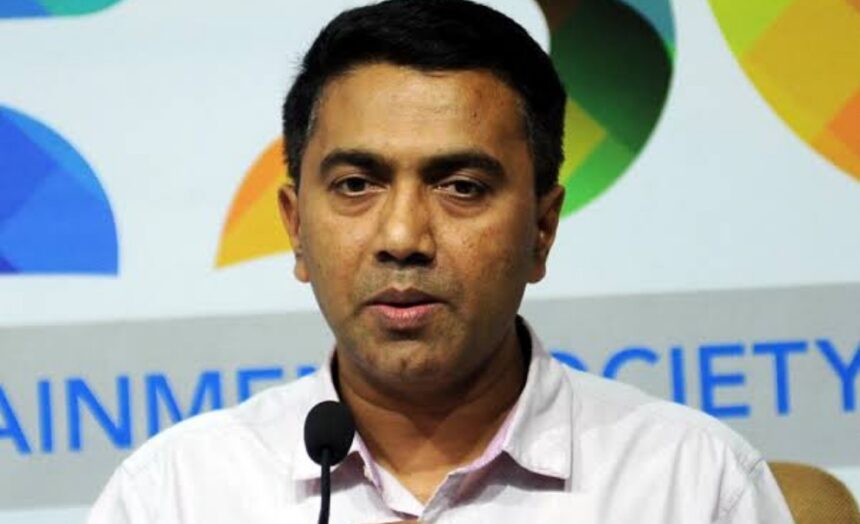
Chief Minister Pramod Sawant’s remarks on the recent student protests in Goa highlight the growing tensions surrounding educational reforms and political ideologies in India. The protests, originally aimed at issues concerning the National Eligibility cum Entrance Test (NEET), have seen a controversial shift towards advocacy for activist Umar Khalid, which Sawant claims undermines the motivations of the student movement.
Government Response to Student Movements
During the Goa Shiksha Samagam 2026 held in Panaji, Savant criticized the student agitation as having “stooped to the lowest intellectual level.” He expressed concern that placards calling for Khalid’s release diverted attention from the original issues surrounding the NEET exam, suggesting that the integrity of the student protests was compromised. While Sawant acknowledged students’ right to peaceful assembly, he insisted that the language and actions witnessed were not representative of genuine student concerns, stating, “Many of us have participated in student agitations in the past, but nobody stooped to such a low intellectual level.”
Amidst ongoing national protests, the ruling BJP government faces scrutiny over alleged irregularities in the NEET exam system, culminating in the resignation of Union Education Minister Dharmendra Pradhan. Speculations surrounding the protests led to police detaining two youths in Panaji who showed support for Khalid, highlighting the intersections between educational policies, student activism, and political narratives.
Questioning the Relevance of Activism
Chief Minister Sawant’s comments raise questions about the alignment of various social issues within the context of educational protests. He invoked concerns over external influences, urging Goan students to scrutinize the motivations behind the protests. According to Sawant, “Who are these people? We need to awaken our students,” suggesting that the presence of outside agitators could be detrimental to Goa’s communal harmony.
This rhetoric not only casts doubt on the reliability of student-led protests but also reflects broader concerns about agency among marginalized communities. Activist Umar Khalid has been a controversial figure, currently imprisoned over allegations linked to the 2020 northeast Delhi riots, drawing the ire of proponents of the BJP’s nationalist agenda.
Education Policy and National Identity
Shifting the focus back to educational reforms, Sawant touted the successes of the National Education Policy (NEP), which aims to create culturally rooted students with practical life skills. As the policy marks six years of implementation, Goa is reportedly recognized for its effective application, having collaborated with prestigious institutions like IIT, NIT, and BITS Pilani.
Sawant emphasized the importance of early career guidance starting in Class 8, which would help students align their education with future aspirations. He dismissed looming fears that technology and artificial intelligence could replace teachers, instead promoting technology as a supplementary tool to enhance educational experiences.
Why It Matters
The situation in Goa underscores the complexities of student activism within the broader socio-political landscape of India, particularly in the context of Hindu nationalism and its impact on minority groups, including Muslims. The intertwining of educational reforms, student movements, and political interests raises significant questions about inclusivity and representation in policymaking. The narrative around protests and their perceived legitimacy can shape public opinion and influence governmental action, impacting not just educational quality, but also the rights and voices of marginalized communities.
Frequently Asked Questions
What is the NEET exam, and why is it significant?
The National Eligibility cum Entrance Test (NEET) is a standardized examination in India for students aspiring to pursue undergraduate medical courses, affecting millions of students annually.
Who is Umar Khalid, and what are the allegations against him?
Umar Khalid is an activist currently imprisoned in relation to the 2020 northeast Delhi riots. He has been accused of inciting violence and unrest, sparking debates on civil liberties and political dissent in India.
What are the implications of the National Education Policy?
The National Education Policy aims to reform India’s educational landscape by promoting skill development and a culturally rooted curriculum, which may affect the future career trajectories of students.
How does the government perceive student protests in India?
The Indian government, particularly under the BJP, often views student protests through a lens of national security and social stability, leading to scrutiny over the motives and affiliations of student movements.