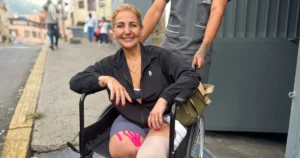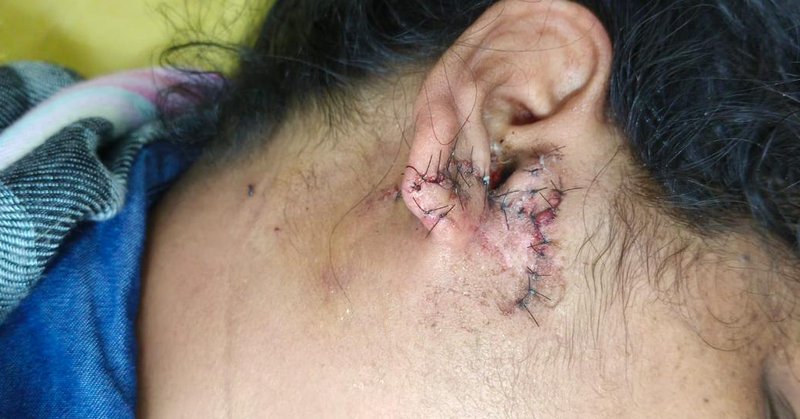

A 32-year-old woman from Gurugram has alleged that she sustained gunshot injuries during a students’ protest at Jantar Mantar on July 20. Her claim adds to reports from other protesters who also allege they were injured by pellet guns during the agitation, raising concerns about the use of force in handling civil protests.
Details of the Incident
The woman, currently employed in a private firm, provided a vivid account of her experience. She described the scene, stating, “I can describe the spot — there is a fountain and a steel statue of a lion. I was standing right next to that, up in the higher part of the park.” According to her, she was fired at from below while she and others were attempting to flee the area after shots were fired.
She noted, “I can’t say for certain if I was the specific target, but the gun was aimed in our direction.” The panic escalated as the sound of gunfire prompted the group to run for safety. In her testimony, she mentioned that a bullet grazed past her ear, adding to her distress during the chaotic scene. Her experience highlights the potential dangers faced by peaceful demonstrators amidst civil unrest.
The Context of the Protests
The July 20 protest at Jantar Mantar was part of a broader movement addressing various student rights and educational reforms. Protests in India have often been met with a heavy-handed response from authorities, raising questions about the balance between maintaining public order and respecting the right to peaceful assembly.
In recent years, protests by students have gained prominence, stemming from increased socio-political awareness among youth. The Gurugram woman’s allegations reflect a growing concern about the treatment of protesters and the methods used by law enforcement to disperse crowds, such as rubber bullets and pellet guns.
The Aftermath and Responses
Following the incident, the woman sought medical attention for her injuries. Reports indicate that she encountered challenges while seeking care, highlighting issues related to injury verification and support for protesters hurt during demonstrations. The incident has prompted calls for better accountability and transparency from law enforcement agencies regarding the measures used during protests.
Furthermore, the government and local authorities have faced backlash over their handling of such protests, with activists and political commentators urging a review of policing tactics to prevent further escalation of violence against peaceful demonstrators.
Why This Matters
The claim made by the Gurugram woman signifies a critical moment in the ongoing dialogue about civil rights within India. Her experience underscores the risks that individuals face in exercising their constitutional right to protest. The allegations of police using excessive force raise fundamental questions about the state’s commitment to safeguarding democratic freedoms.
The political significance is amplified in a climate where student movements are becoming increasingly vocal. This incident could galvanize public opinion and lead to heightened scrutiny of governmental responses to civil dissent, potentially influencing future policy and law enforcement practices. It also raises alarms about ensuring the protection of citizens’ rights in a democracy.
Frequently Asked Questions
What happened during the protest at Jantar Mantar?
A woman claimed she sustained gunshot injuries during the protest, describing how a bullet grazed past her ear amidst chaos as people fled the scene.
What was the nature of the protest?
The protest involved students raising concerns about various rights and educational reforms, reflecting their growing socio-political awareness.
How did the authorities respond to the protest?
Reports suggest that law enforcement may have used excessive force, including pellet guns, causing injuries to peaceful demonstrators, which is under scrutiny by various activists and commentators.
Why is this incident significant?
This incident is significant because it raises important questions about police conduct during protests, the protection of democratic rights, and the broader implications for civil society in India.