
Summary
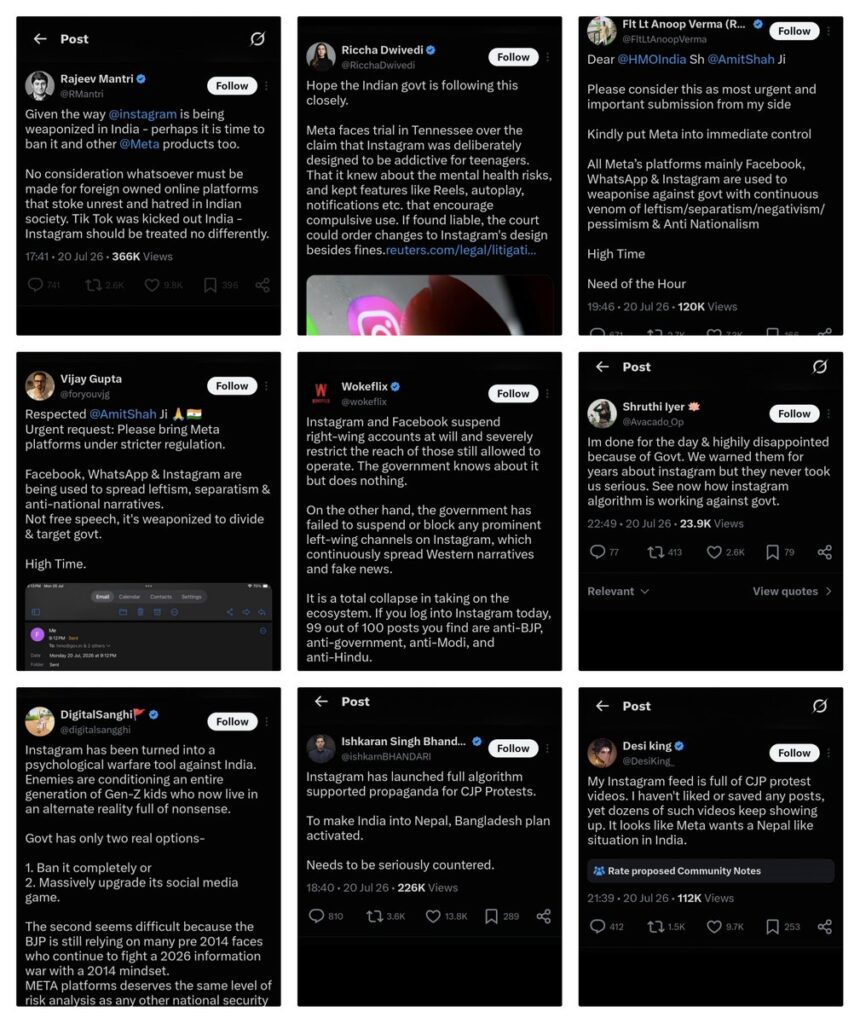
For over a month, mainstream media in India chose to ignore a significant protest, allegedly under the directives of the ruling party, hoping it would fade from public consciousness. Recent developments indicate that media outlets can no longer overlook the protest, leading to some right-wing influencers calling for a ban on social media platforms that they once utilized for spreading their views.
Media’s Initial Silence
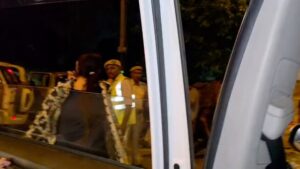
The protest, which had been gaining momentum for several weeks, faced a unique challenge: a near-total media blackout. The expectation was that by refusing to report on the issue, major news outlets would effectively nullify its impact. Critics argue that this is a tactic often employed by the ruling regime to suppress dissent, raising concerns about the role of journalism in a democracy. Events took a turn when continued public outcry and pressure forced media channels to finally cover the protests, revealing a disconnect between the political narratives being promoted and the reality faced by citizens.
Escalating Reactions from Influencers
The right-wing social media landscape is reacting to this situation with increased urgency. Influencers, who have long championed platforms like Instagram and Facebook for their outreach, are now paradoxically calling for these platforms to be banned. This reflects a growing panic within segments of the ruling party’s supporters, who fear losing the narrative control they once enjoyed. Their willingness to abandon these channels underscores their perception of the threat posed by the current protest and the overwhelming narratives emerging from it. This contradiction further enriches the discourse on freedom of expression and the role of social media in modern politics.
Shifting Narratives in Political Discourse
As media outlets begin to cover the protests, a shift in public discourse is observable. Coverage varies from supportive to critical, with anchors and commentators grappling with the rapid changes in public sentiment. The ruling party’s strategy appears to have backfired, as social media discussions increasingly challenge their perspectives on governance and public engagement. This shift exemplifies the volatile nature of political narratives in India, where social media acts as both a battleground and a platform for collective mobilization.
Why This Matters
The ramifications of the ongoing protests and the media’s reaction are profound for Indian democracy. The initial media silence raises serious questions about press freedom and the extent to which government influence penetrates journalistic integrity. Furthermore, the reaction from social media influencers illustrates the increasingly polarized environment in which political discourse operates. As the public grapples with these developments, the situation highlights critical issues concerning civil rights, the role of media in shaping public opinion, and the future of political dissent in India.
Frequently Asked Questions
What was the main protest about?
The specific protest has not been detailed in the source, but it has seen significant public engagement that prompted a media blackout.
Why did the media initially ignore the protest?
It is believed that the media silence was orchestrated under the directives of the ruling party, aiming to minimize the protest’s visibility and impact.
What do right-wing influencers want regarding social media?
Right-wing influencers are calling for a ban on social media platforms such as Instagram and Facebook, expressing concern over their influence in disseminating information contrary to their narratives.
How has public sentiment shifted in relation to the media coverage?
The lifting of the media blackout reflects a significant shift in public sentiment, as coverage of the protests increasingly prompts discourse around accountability and governmental transparency.