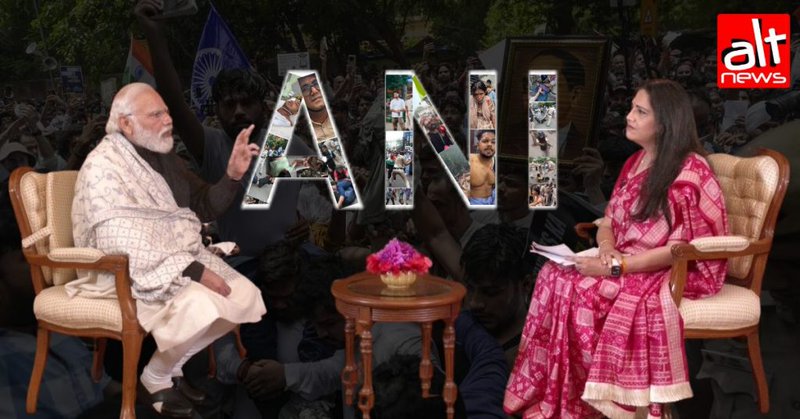

On July 20, a significant protest by students in Delhi was met with a harsh police response. During this time, the Asian News International (ANI) agency published 404 posts on the platform ‘X’, but curiously, none of these posts mentioned any injuries to students during the protests.
Context of the Protests
The protests in Delhi on July 20 involved students voicing their concerns over various issues, including educational reforms and the perceived authoritarian actions taken by the administration. As clashes broke out, reports indicated that police used excessive force to disperse the gathering, leading to numerous injuries among the protesters. Despite the gravity of the situation, the narratives presented by various news agencies painted a different picture, often focusing on other aspects rather than the injuries sustained by the protesters.
Role of ANI in Indian Media
For decades, ANI has been a prominent player in India’s television news landscape, serving a wide array of channels both domestically and internationally. With a reach that extends across mainstream media, ANI’s reporting often shapes the public discourse and influences the public’s understanding of critical issues. The lack of coverage regarding the student injuries in their extensive reporting on July 20 raises concerns about media ethics and responsibilities. By choosing not to highlight these injuries, ANI may have contributed to a narrative that downplays the severity of police violence.
Analysis of Media Bias
The selective reporting by ANI and similar media houses can be interpreted as a form of bias. In a country like India, where student activism is often viewed through a complex political lens, the treatment of such events in the media can significantly affect public perception. Analysts contend that by omitting mentions of violence against students, ANI might be reinforcing certain political narratives and minimizing the impact of dissenting voices. This situation underscores a broader issue within Indian media where sensationalism sometimes overshadows journalistic integrity and the obligation to report the truth.
Why This Matters
This issue is significant not only for understanding the dynamics of student protests in India but also for comprehending the broader implications of media reporting in a democracy. When major news outlets fail to report on crucial aspects of a story, such as injuries inflicted by law enforcement on peaceful protesters, it can lead to a distorted public understanding of events. This distortion can influence government accountability and citizen engagement in political activism. Ultimately, the role of media in a democracy should be to inform the public accurately and fairly, ensuring that all voices, especially those of marginalized groups like students, are heard.
Frequently Asked Questions
What happened during the protests on July 20 in Delhi?
The protests on July 20 involved students demonstrating against various educational policies, which escalated into confrontations with police forces, resulting in numerous injuries among the protesters.
Why is ANI’s reporting significant?
ANI is a major news agency in India that has considerable influence on public opinion and political narratives. Its choice of coverage can shape how events are perceived nationwide.
What are the implications of selective reporting?
Selective reporting can lead to a skewed understanding of events, affecting public perception and diminishing accountability for actions taken by authorities, such as police during protests.
How can the public ensure accurate news reporting?
The public can seek diverse news sources, engage in independent research, and support investigative journalism to promote transparency and accountability within the media.