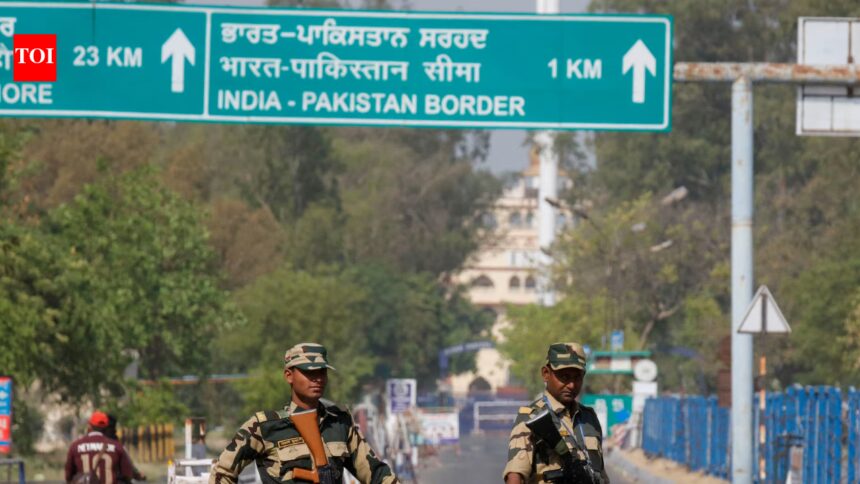

Cross-Border Pilgrimage: A Sign of Hope and Strain
For the first time since Operation Sindoor, Pakistan is reportedly preparing to send a group of 500 Muslim pilgrims to India, coinciding with the annual Urs of beloved 13th-century Sufi saint Hazrat Alauddin Ali Ahmed Sabir Kaliyari. This development marks a potentially positive stride in cross-border religious exchanges, amid ongoing tensions between the two nations.
The Background of Religious Exchange
Operation Sindoor, which concluded on May 10, 2022, had significant implications for religious pilgrimages between India and Pakistan. Prior to this operation, Sikh jathas were able to travel to Pakistan for various religious occasions, including major Sikh festivals and the commemoration of historical figures. However, Muslim jathas from Pakistan have been unable to visit India since the conclusion of Operation Sindoor, a measure that has caused concern over the diminishing avenues for interfaith dialogue and exchange.
The current proposal for the Muslim pilgrims’ jatha to visit India is particularly noteworthy because it represents a re-establishment of religious tourism that has been stagnant for over a year. Intelligence reports indicate that organizers in Pakistan have already collected the passports of the intending pilgrims and submitted them to the Indian High Commission in Islamabad. This illustrates not only a desire for renewed cross-border religious activity but also a potentially evolving relationship between the two countries, particularly in the context of people-to-people ties.
Restrictions on Hindu and Sikh Pilgrimages
While Muslim pilgrims have been largely sidelined, Hindu and Sikh communities have faced their own sets of challenges related to cross-border travel. Despite continuous visits of Sikh pilgrims to Pakistan, no Hindu pilgrimage groups have traveled to Pakistan in recent years for major religious events like Maha Shivaratri at Katas Raj. This discourse highlights a disparity in religious openness, where Sikh pilgrims benefit from a structured route for religious visits while Muslims face significant barriers.
According to Harish Patwari, a follower of Hazrat Alauddin Ali Ahmed Sabir Kaliyari in Roorkee, the planning for the Muslim jatha speaks volumes about the increasing need for religious freedom and cooperative relations. Yet, the question remains: will the Indian government allow this significant group to cross the border, or will political tensions inhibit their pilgrimage?
The Significance of Bilateral Trust-Building Initiatives
The proposed Muslim pilgrimage can be seen as part of broader Track II diplomatic efforts aimed at restoring engagement between India and Pakistan. These initiatives may contribute to confidence-building measures that could eventually lead to the reopening of important travel and trade routes, including the Attari-Wagah border and the Kartarpur Corridor—both vital links that have been suspended since Operation Sindoor.
Though these measures have the potential to foster goodwill between the countries, their success relies on navigating complex political landscapes. The situations on both sides remain fragile, with historical grievances impacting current policies and perceptions, making it critical for both governments to prioritize dialogue.
Why It Matters
This development holds significance not only for interfaith dialogue but also for regional diplomacy. Understanding the intricate religious and cultural dynamics can facilitate more effective communication and policy-making in the context of South Asia. The ability for religious communities to engage in cross-border exchanges is a barometer of the overall state of relations between India and Pakistan. If successfully navigated, it may pave the way for a more peaceful coexistence and improved economic ties, impacting trade and tourism sectors in both countries.
Frequently Asked Questions
What is Operation Sindoor?
Operation Sindoor was a border security measure enacted by India that concluded on May 10, 2022. It significantly impacted religious pilgrimages between India and Pakistan.
When is the Urs of Hazrat Alauddin Ali Ahmed Sabir Kaliyari?
The Urs of Hazrat Alauddin Ali Ahmed Sabir Kaliyari takes place annually, commemorating the death anniversary of the saint. The upcoming event coincides with the proposed visit of the Pakistani pilgrims.
Why have Hindu pilgrims been unable to travel to Pakistan?
No Hindu pilgrimages to Pakistan have occurred in recent years, largely due to heightened security concerns and a lack of formal provisions comparable to those available for Sikh pilgrims.
What are the implications of increased religious pilgrimages?
Increased religious pilgrimages may help foster better diplomatic relations and promote mutual trust between India and Pakistan, opening avenues for economic cooperation and cultural exchange.