
The ongoing protests in India reveal divisions among student groups, with some expressing discontent over the direction of the protests themselves. Recent statements from individuals like Anshu Kumar highlight the frustration of genuine student protestors who feel overshadowed by broader communal debates and political narratives.
Context of the Protests
The protests in question were initially prompted by concerns regarding the NEET (National Eligibility cum Entrance Test) examination, a highly competitive entrance test for medical colleges in India. Many students protest against what they perceive as unfair or mismanaged policies regarding the examination. Amid these protests, voices like Anshu Kumar’s surfaced, emphasizing fear that essential issues are being drowned out by divisive communal rhetoric.
The Voices Within the Protests
Anshu Kumar voiced his concerns during a protest demanding the resignation of Union Minister Dharmendra Pradhan. He pointedly remarked that while the protest’s roots lie in genuine grievances related to academic assessments, it has devolved into conversations surrounding religious identities and political affiliations—specifically, chants against Hindu and Muslim groups and the RSS (Rashtriya Swayamsevak Sangh), a key right-wing Hindu nationalist organization.
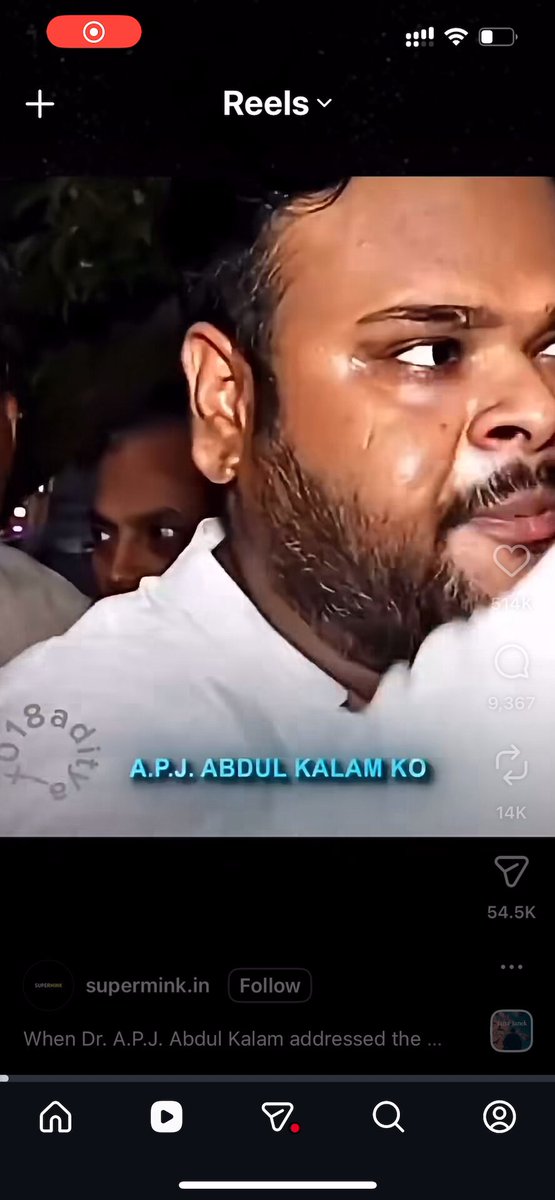
Kumar’s statements, captured in a video, express anger that the essence of student dissent has been co-opted by larger ideological battles. He stresses that real student issues, such as educational reforms and fair evaluation methods, need to take precedence and should not be muddied by communal tensions.
Analyzing the Discontent
The duality of the protests illustrates a recurring theme in Indian politics: genuine grievances can often be overshadowed by identities and ideologies. The intersection of student activism with religious and political identities raises questions about the direction and focus of such movements. The response from other protestors sometimes reflects an eagerness to capture the attention of media and political leaders, which can lead to a shift away from primary objectives—such as advocating for educational justice—toward broader ideological posturing.
This tension within student protests offers a microcosm of Indian society, where communal loyalties can influence political and social movements. Observers have noted that as students grapple with increasingly complex socio-political landscapes, the challenge lies in maintaining focus on their core issues while combatting external narratives that threaten to dilute their message.
Why This Matters
The significance of this discourse extends beyond the protests themselves. It reflects the current atmosphere in India, where the politicization of communal identities can disrupt discussion on pressing issues like education and youth empowerment. By understanding the frustrations articulated by individuals like Anshu Kumar, citizens can better appreciate the nuances of contemporary protests and the importance of addressing foundational educational concerns amidst a shifting political climate.
Frequently Asked Questions
What are the main issues driving the NEET protests?
The protests primarily focus on perceived mismanagement and unfair policies associated with the NEET examination, crucial for medical college admissions in India.
Who is Anshu Kumar?
Anshu Kumar is a student protestor who has voiced frustrations about the direction of the NEET protests, highlighting the shift from educational issues to communal rhetoric.
What role do communal identities play in these protests?
Communal identities often overshadow the main issues of the protests, as ideological battles can take precedence over legitimate grievances related to education.
Why is it important to differentiate between student issues and communal rhetoric?
Maintaining a focus on educational concerns is vital for achieving effective reforms and for empowering the youth, rather than allowing protests to become platforms for broader ideological conflicts.