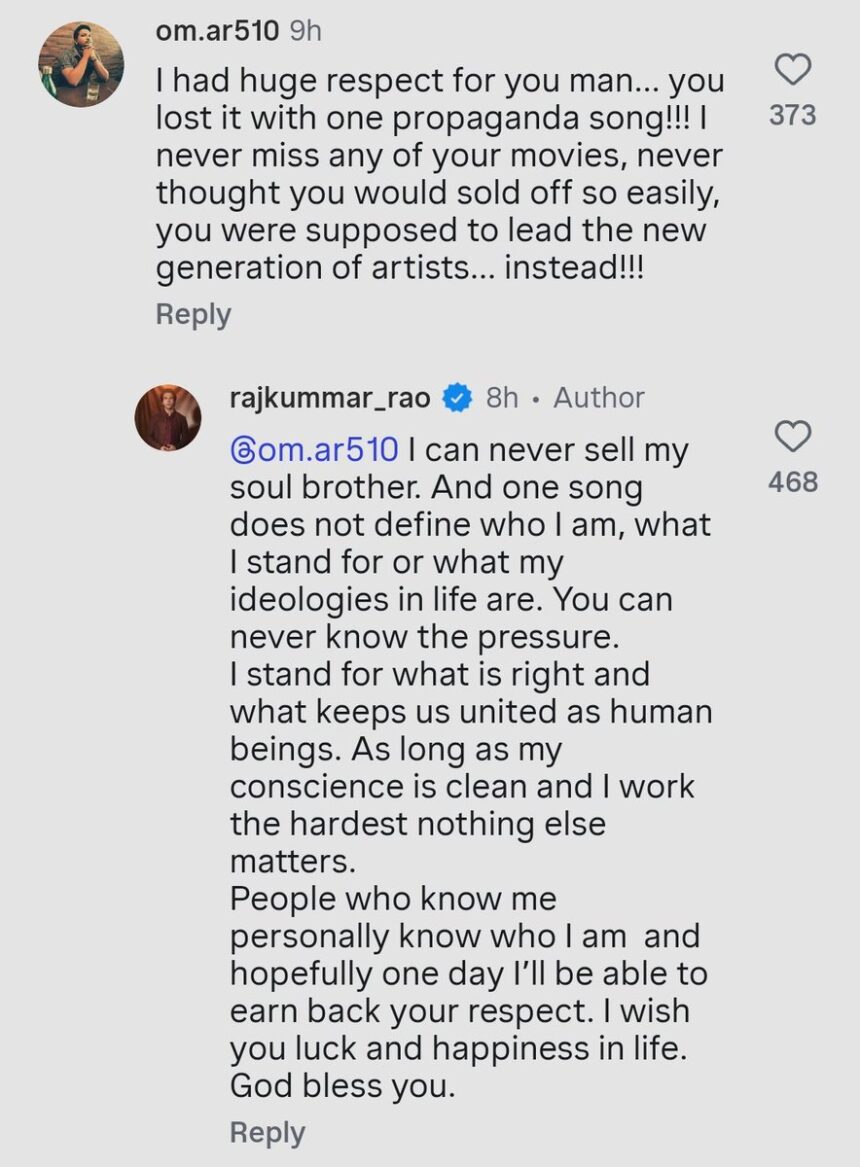

The recent tweet by Indian cricketer Shikhar Dhawan has sparked discussions regarding the mounting pressure on public figures, particularly celebrities, to convey aligned sentiments towards the government. Dhawan emphasized patience and trust in governmental institutions, suggesting that these values are crucial for navigating challenges. This raises important questions about the nature of political discourse and the expectations placed on public personalities.
Context: Political Pressure on Public Figures
In India, the interplay between celebrities and political expectations has become increasingly prominent. Public figures, especially those with a huge following like Dhawan, are often seen as role models. Their opinions can influence the perceptions of millions, which leads to strategic communication that often aligns with governmental narratives. This creates an environment where silence or dissent can lead to backlash from both fans and political factions.
Dhawan’s Message: Patience and Trust
In his tweet, Shikhar Dhawan articulated a fundamental message: understanding the aspirations of the youth is essential, yet maintaining patience during tough times is equally imperative. He praised the robustness of India’s institutions and urged trust in the government. Such statements from influential figures often serve to reinforce a pro-government stance, especially in times of political turbulence. Moreover, Dhawan’s call for patience resonates with many who find themselves navigating personal and national challenges, thereby potentially lending credibility to government narratives about the need for a calm and stable society.
The Broader Implications of Government-Influencer Relationships
As public figures continuously express pro-government sentiments, questions arise about the authenticity of their views. Are they genuinely sharing their beliefs, or are they succumbing to external pressures? This dilemma reflects a broader concern in modern democracies regarding the extent to which public figures are expected to conform to political ideologies. Critics argue that such expectations compromise individuality and genuine representation, potentially creating an echo chamber that stifles dissenting voices.
Why This Matters
The implications of celebrity endorsements in politics are profound in Indian society. Public figures wield immense sway over public sentiment, and their opinions can often translate into mainstream acceptance or challenge of government policies. When athletes like Dhawan advocate for trust in government institutions, it not only shapes the perceptions of their fans but can also affect political winds in a country where social media plays a pivotal role in shaping public discourse. This influence underscores the responsibility that comes with fame and the potential consequences when individuals filter their true beliefs through the lens of public expectation and political viability.
Frequently Asked Questions
Why do public figures often express support for the government?
Public figures, particularly in India, often express support for the government to align with prevailing sentiments among their audience and to avoid backlash. Their influence can help shape public opinion, and supportive statements can reinforce a sense of unity during challenging times.
What impact do celebrity endorsements have on politics?
Celebrity endorsements can significantly affect political trends and public perceptions. They can swage public dissent, galvanize support for government initiatives, and create a favorable environment for political narratives, especially on social media platforms.
Is there a risk associated with public figures promoting a pro-government agenda?
Yes, there is a risk that public figures may inadvertently marginalize dissenting views by promoting a single narrative. This can lead to a lack of diversity in public discourse and stifle constructive criticism, which is essential for a thriving democracy.
How can audiences critically evaluate the messages from public figures?
Audiences can critically evaluate these messages by considering the broader political context, questioning the motivations behind celebrity statements, and seeking diverse perspectives. It’s crucial to recognize that celebrity opinions may not always reflect the complexities of political realities.