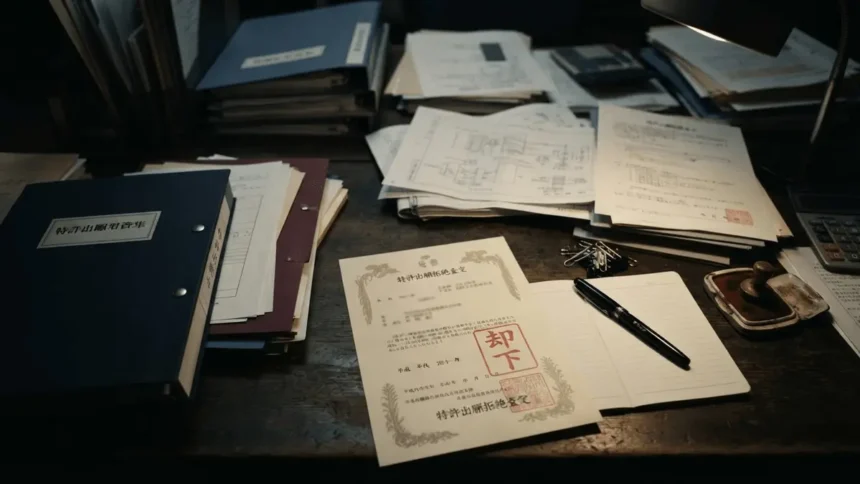

The Japan Patent Office (JPO) has rejected Nintendo’s patent application 2024-031879, defending its stance with prior art from several popular games. This rejection raises important questions about the validity of Nintendo’s ongoing patent assertions against Pocketpair, particularly regarding gameplay mechanics in light of similar features in existing games.
Context of the Patent Rejection
Nintendo and The Pokémon Company launched a patent infringement lawsuit against Pocketpair, known for its game Palworld. Unlike initial expectations of a copyright or trademark claim focusing on creature designs, the lawsuit targets gameplay mechanics, such as capturing creatures with thrown objects and transitioning between riding different entities in an open world. Critics argue that these mechanics are not revolutionary and have appeared in various titles over the years.
The rejected patent application, 2024-031879, is not minor; it connects to previously granted patents being asserted in court and questions the originality of Nintendo’s claims. The JPO highlighted that existing games, including ARK, Monster Hunter 4, Craftopia, Kantai Collection, and even Pokémon GO, already feature similar mechanics, effectively undercutting Nintendo’s argument for innovative gameplay.
The Implications for Nintendo’s Legal Strategy
This rejection could have significant ramifications for Nintendo’s legal strategy. The JPO’s ruling that the mechanics lack an inventive step raises concerns about the originality of Nintendo’s other linked patents still in litigation. If the JPO found similarity with established games in the rejected application, it logically challenges the validity of the patents Nintendo is currently defending.
Pocketpair has proactively been building a case for invalidating these patents by showcasing similar prior art. This makes it increasingly difficult for Nintendo to justify its patent strategy, which some insiders now view as an attempt to secure ownership of industry conventions rather than actual innovations.
The Broader Industry Context
Beyond the immediate legal battle, this incident could change how patents on gameplay mechanics are perceived in the gaming industry. The JPO’s rejection serves as a crucial point in the ongoing debate surrounding intellectual property rights in gaming. As many developers are questioning the viability of patenting gameplay ideas, this case might influence future practices and legal frameworks in the industry.
Nintendo’s current challenges come at a time when the revenue from the Pokémon franchise remains stable, complicating the justification for its aggressive patent campaign. As the gaming community observes, the outcomes of these legal battles may set important precedents for how gameplay mechanics are treated in terms of intellectual property going forward.
Why This Is Trending
Interest in this story is surging in India and globally due to its implications for the gaming industry, especially considering the growing popularity of video games. With Indian game development on the rise, the outcome could influence local companies contemplating similar patent strategies. Furthermore, the intersections between creativity, legality, and commerce in a rapidly evolving tech landscape resonate with both developers and gamers, making this a topic of widespread relevance.
Frequently Asked Questions
What was Nintendo’s patent application about?
Nintendo’s patent application 2024-031879 focused on gameplay mechanics like capturing creatures with thrown objects and transitioning between riding options in open-world settings.
Why did the Japan Patent Office reject the patent application?
The JPO rejected the application citing prior art from existing games that featured similar mechanics, concluding that the claimed innovations lacked an inventive step.
How could this affect Nintendo’s lawsuit against Pocketpair?
This rejection could undermine the validity of other patents Nintendo is asserting in court, raising questions about their originality and quality as gameplay mechanics.
Why is this case important for the gaming industry?
This case is pivotal as it challenges the norms of patenting gameplay mechanics, influencing future practices and the legal landscape within the gaming industry.