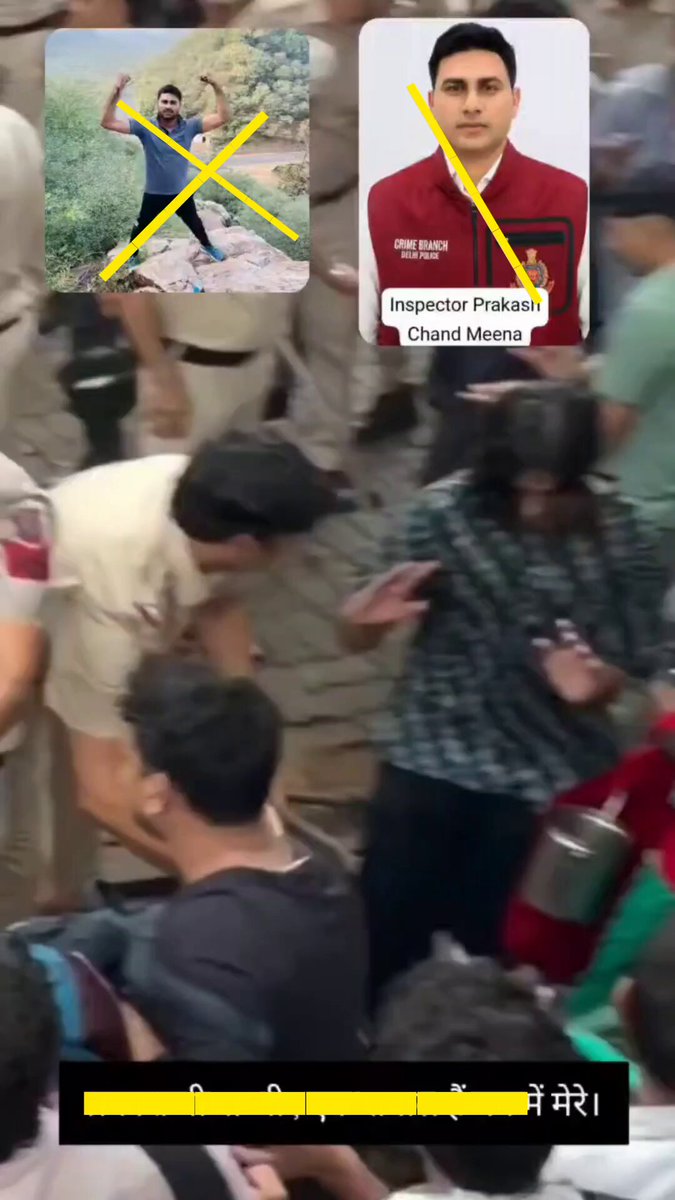

The recent incident involving Delhi police personnel assaulting a woman protester has sparked significant outrage online. Following the release of a viral video, misinformation has circulated, with claims wrongly identifying one police officer as Inspector Prakash Meena. Clarifying this, it has been asserted that the officer in question is not Meena, who was observed at the protest site but in plain clothes, distinct from police uniform.
Context of the Incident
The video of the police assault emerged during a protest in Delhi, a city often at the center of political and civil rights debates. Such protests typically attract attention not only for their causes but also for the interactions between law enforcement and citizens. With protests sometimes escalating into confrontations, the role of police, especially in crowded or tense environments, becomes a focal point for public scrutiny.
Misinformation and Its Implications
After the video gained traction, social media users quickly spread claims regarding the identity of the police personnel involved. Specific emphasis was placed on Inspector Prakash Meena, linking him to the assault despite evidence to the contrary. This incident highlights a broader problem where misinformation spreads quickly through platforms, often leading to misunderstandings and escalation of tensions between the public and law enforcement agencies.
The authorities have responded sternly, warning that those who share unverified claims or misinformation could face legal consequences, including potential FIR filings. This move indicates a heightened sensitivity regarding online discourse, especially when it pertains to incidents involving police conduct and civil rights.
Public Reactions and Concerns
The incident has ignited heated debates across social media and mainstream news outlets. Protesters and civil rights advocates have challenged the police’s actions, calling into question the justification for the use of force against a civilian, particularly a woman. This has led to discussions about police accountability, transparency, and the need for reforms in policing methods during protests.
Public sentiment appears to be largely in favor of the protester, with many criticizing the police for their approach. The narrative surrounding the incident reflects broader societal issues regarding women’s safety, the treatment of protesters, and the integrity of law enforcement agencies. This raises concerns about how such incidents may affect trust in the police and the government as a whole.
Why This Matters
This incident and the subsequent spread of misinformation highlight the volatile relationship between the police and citizens within India. The government’s response to misinformation underlines a trend towards increased surveillance and control over public discourse, particularly in politically charged situations. For Indian readers, this raises questions about civil liberties, justice, and the potential for state overreach in managing dissent. The outcome of such incidents can influence public perception of law enforcement and impact future protests across the nation.
Frequently Asked Questions
What was the incident involving the Delhi police?
The incident involved a woman protester being assaulted byDelhi police officers during a protest. A video capturing this has gone viral, prompting public outcry.
Who is Inspector Prakash Meena?
Inspector Prakash Meena was present at the protest but was not in uniform; he has been wrongly identified in connection with the assault incident.
Why is the spread of misinformation concerning this incident significant?
Misinformation can escalate tensions between the public and law enforcement, affecting public trust and discourse. The police have warned against unverified claims, indicating potential legal repercussions.
What are the broader implications of this incident for civil society?
This incident reflects ongoing concerns about civil liberties, police accountability, and the treatment of protesters. It also highlights the need for reform in policing methods, particularly during protests.