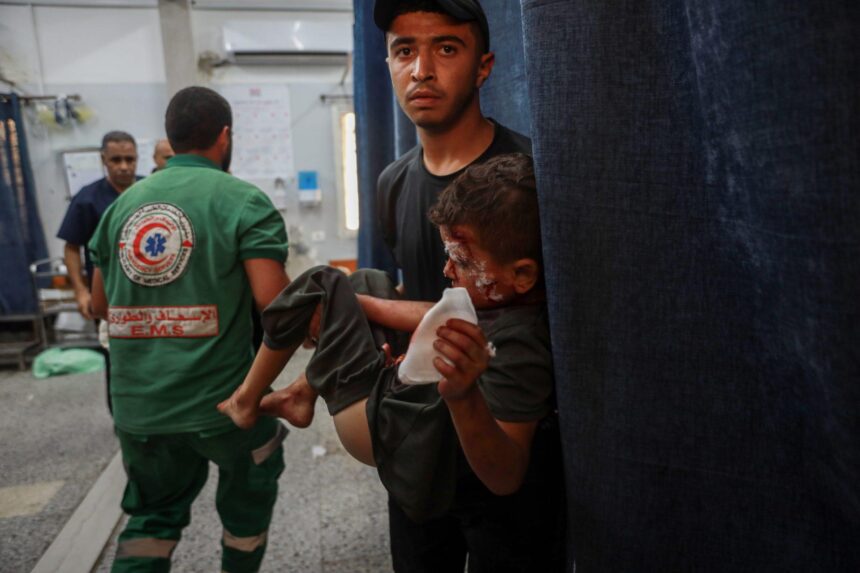

Escalating Violence and Humanitarian Crisis in Gaza
Recent reports from Gaza indicate a tragic escalation of violence, with a notable incident resulting in the deaths of a Palestinian woman and her three daughters due to Israeli airstrikes. This attack raises urgent questions about the efficacy and enforcement of the ceasefire that has ostensibly been in place since October 10, 2025. An alarming statistic highlights the ongoing humanitarian crisis: in near-daily assaults, Israeli forces have reportedly killed over 1,158 Palestinians since the ceasefire began, challenging the very premise of peace efforts in the region.
Casualties and Infrastructure Devastation
According to Gaza’s Health Ministry, the toll of violence since the onset of Israeli military operations on October 8, 2023, is staggering. The ministry reports at least 73,250 Palestinians killed and 173,751 injured. Additionally, around 90% of Gaza’s civilian infrastructure has either been severely damaged or entirely destroyed, severely impacting the daily lives of residents. This damage complicates humanitarian efforts and raises critical concerns about the sustainability of any ceasefire, as civilian resources dwindle and the capacity for recovery is further diminished.
Military Control and Territorial Changes
Israeli officials assert that military control of the Gaza Strip has increased significantly, with their forces now occupying more than 70% of the enclave, compared to 53% at the initiation of the current ceasefire agreement. This territorial expansion indicates a shift in dynamics in the region, potentially altering the geopolitical landscape and influencing both domestic and international responses to the conflict. The ramifications of increased military presence could exacerbate tensions further, undermining any existing diplomatic efforts aimed at achieving lasting peace.
Why It Matters
The current situation in Gaza holds critical implications not only for the immediate region but also for global geopolitics. Humanitarian crises of this scale can impact international relations, particularly as nations navigate complex alliances in the Middle East. For developers and users in the AI industry, data analysis and automated reporting tools may need to adapt quickly to provide real-time, factual updates on conflict zones. This situation underscores the importance of responsible data dissemination and the role of technology in amplifying voices from marginalized communities, such as those in Gaza.
Frequently Asked Questions
What triggered the recent violence in Gaza?
The recent violence escalated following the onset of Israeli military operations on October 8, 2023, leading to extensive casualties and infrastructure damage amid a declared ceasefire.
What is the current ceasefire situation?
The ceasefire, which commenced on October 10, 2025, appears to be increasingly ineffective, as violations continue, resulting in civilian casualties and military control over a larger portion of Gaza.
How many Palestinians have been affected by the violence?
Since the beginning of the military operations on October 8, 2023, it is reported that at least 73,250 Palestinians have been killed and 173,751 injured, highlighting the severe impact of the ongoing conflict.
What is the current state of infrastructure in Gaza?
Around 90% of Gaza’s civilian infrastructure has been damaged or destroyed, complicating humanitarian efforts and furthering the crisis faced by the local population.