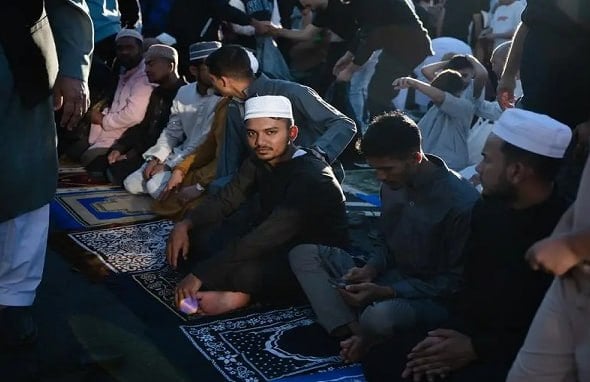

Muslim organizations in Australia are urging the federal government to increase funding and take stronger measures to combat Islamophobia, expressing concerns that the government’s recent actions following a national review of anti-Muslim hate fall short of addressing the rising discrimination. The Australian Federation of Islamic Councils (AFIC) has welcomed some government initiatives but emphasized the need for a comprehensive strategy that goes beyond existing frameworks.
Calls for Comprehensive Action Against Islamophobia
The Australian Federation of Islamic Councils (AFIC), as the peak Muslim representative body, has responded to the government’s implementation of 35 out of 54 recommendations from the Special Envoy to Combat Islamophobia, Aftab Malik. AFIC noted that while they support the actions taken, more specific details are essential regarding how the remaining recommendations will be addressed. The federation’s president, Rateb Jneid, pointed out that the government’s response mainly includes limited new initiatives and extensions of pre-existing programs, rather than a robust, holistic strategy aimed at tackling the growing threat of anti-Muslim discrimination.
Key Recommendations and Lack of Progress
Despite the government’s inclusion of some recommendations, significant concerns remain unaddressed. Jneid criticized the insufficient progress on crucial recommendations such as conducting an independent review of counter-terrorism laws and establishing a commission of inquiry to investigate Islamophobia, alongside expressions of anti-Palestinian and anti-Arab sentiment. These gaps highlight a need for a more transparent and substantial governmental approach to confronting systemic discrimination, which has become increasingly visible in public life and discourse within Australia.
Educational Initiatives and Community Impact
The Australian government has committed to reviewing the national school curriculum with the goal of enhancing educational content related to various forms of hatred and discrimination. Muslim advocates stress that such initiatives must be accompanied by substantial funding and clear timelines to generate real change. They argue that an informed public is crucial in fostering social cohesion and empathy across diverse communities in Australia. Moreover, without dedicated resources focused on combating systemic issues, educational reforms may have limited long-term impacts on social attitudes toward Muslims and other minority groups.
Why It Matters
The issue of Islamophobia and discrimination extends beyond the immediate impacts on the Muslim community in Australia. It serves as a vital indicator of social integration and equality within multicultural societies. Addressing these concerns is essential not only for the political climate in Australia but also as a reflection of how democracies tackle prejudice and discrimination on a global stage. The development of comprehensive strategies to counteract prejudice can assist in steering the conversation around inclusivity, human rights, and social justice. Furthermore, for organizations and governments worldwide, the Australian experience can provide lessons on the importance of proactive measures in countering hate-based ideologies, which can serve as a model or warning for similar challenges faced in other regions.
Frequently Asked Questions
What is the current state of Islamophobia in Australia?
Islamophobia in Australia is characterized by increasing anti-Muslim sentiment, hate crimes, and discriminatory practices, which have prompted calls for a comprehensive government response.
What has the government done to address Islamophobia?
The Australian government has agreed to implement some recommendations from a national review on Islamophobia, but concerns remain about the lack of a thorough, actionable strategy.
Why are educational reforms important in combating discrimination?
Educational reforms are crucial as they shape public understanding and attitudes towards diversity, helping to foster empathy and reduce prejudice over time.
What can community organizations do to combat Islamophobia?
Community organizations can advocate for policy changes, provide support to victims of discrimination, and promote interfaith dialogue to enhance understanding and solidarity within society.