
US Strikes Against Iran: A Strategic Move Amid Ongoing Tensions
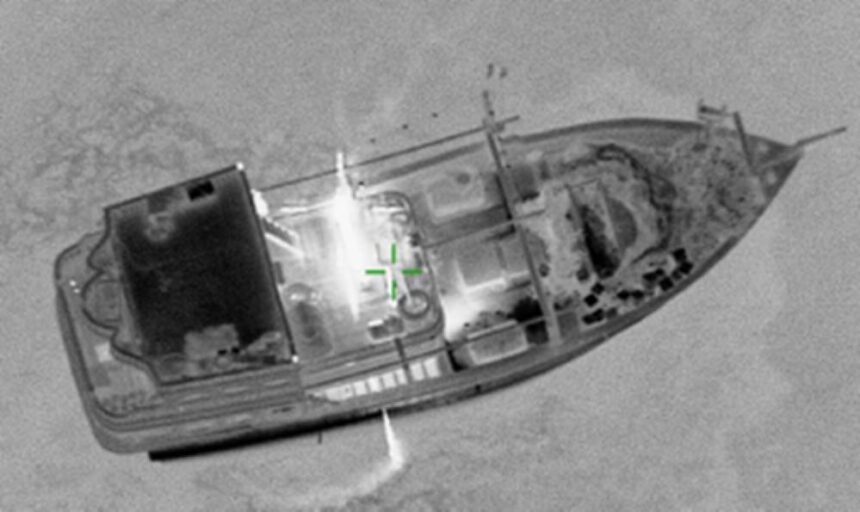
The US Central Command (CENTCOM) has executed a new series of strikes targeting Iran’s military infrastructure. These actions aim to diminish Iran’s capability to threaten commercial shipping lanes in the critical Strait of Hormuz, underscoring the heightened tensions between the US and Iran following numerous incidents of aggression in the region.
Details of the Strikes
CENTCOM’s statement revealed that the operations focused on multiple facets of Iran’s military might, including command centers, maritime capabilities, missile and drone launch sites, and air defense systems. This strategy is perceived as a direct attempt to degrade Iran’s capability to execute further attacks on commercial vessels navigating through the Strait of Hormuz, a vital international shipping route.
Since early May, US forces have facilitated the safe passage of approximately 900 commercial vessels, transporting around 450 million barrels of crude oil through the strait. This indicates an ongoing commitment to ensuring the security of international maritime traffic and highlights the importance of this corridor for global oil markets.
Escalating Conflict in the Region
These strikes come amid a backdrop of escalating conflict in the region, particularly around the strategically important Strait of Hormuz. The exchange of attacks between the US and Iran has intensified, raising concerns about regional stability. This development occurs despite a recent memorandum of understanding mediated by Pakistan, aimed at achieving a ceasefire and a lasting peace agreement between the two sides.
The situation remains precarious as both nations continue to demonstrate military force, complicating diplomatic efforts and raising questions about potential repercussions for regional and global security. The continuing violence underscores the challenges of addressing longstanding grievances and conflicts in the Middle East.
Why It Matters
The recent military actions by the US against Iran are significant for several reasons. First, they reflect the ongoing volatility in the region and the complexities involved in securing peace. With the Strait of Hormuz being a critical maritime passage for global oil supplies, any sustained conflict could lead to substantial disruptions in international trade, influencing oil prices and market stability worldwide.
Additionally, these events highlight the broader geopolitical tensions that involve not only the US and Iran but also other nations interested in the stability of the region. The response from the global community and the potential for escalation into broader conflicts remain critical concerns for international relations and diplomatic efforts.
Frequently Asked Questions
What prompted the US strikes against Iran?
The strikes were initiated in response to Iran’s perceived aggression against civilian mariners and its threats to disrupt commercial shipping through the Strait of Hormuz.
How many vessels have passed through the Strait of Hormuz recently?
Since early May, approximately 900 commercial vessels carrying about 450 million barrels of crude oil have successfully traversed the Strait of Hormuz.
What was the outcome of the Pakistan-mediated memorandum of understanding?
The memorandum was intended to establish a ceasefire and promote peace between the US and Iran; however, subsequent actions have undermined its effectiveness, leading to continued military exchanges.
Why is the Strait of Hormuz significant?
The Strait of Hormuz is a vital shipping route through which numerous tankers transport oil from the Middle East to global markets. Ensuring its security is crucial for global economic stability.


![Community members raise their arms during a gratitude poem at a supper in Westbrook, Maine, in July 2025 [Courtesy of Community Plate]](https://www.indianewsweek.com/wp-content/uploads/2026/09/Potluck-Parties-Surge-in-Popularity-Across-America-A-Culinary-Revival-300x203.jpeg)