The Cockroach movement, ignited by a controversial remark from the Chief Justice of India, is now a significant force expressing the frustrations of the youth regarding the education system. With thousands rallying for reforms and heightened accountability from the government, the situation escalated in New Delhi as clashes erupted between supporters and police amid demands for the resignation of the Education Minister.
The Rise of the Cockroach Movement
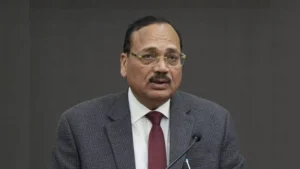
The Cockroach Janta Party (CJP), which first gained traction in May, emerged as a satirical yet potent campaign after the Supreme Court’s Chief Justice compared certain unemployed youth to “cockroaches.” This disparaging comment was transformed by activists and supporters into a rallying cry for millions unhappy with the status quo, particularly concerning employment opportunities for educated youth.
This movement’s popularity has rapidly expanded, particularly through social media platforms, where memes and discussions have galvanized support across the nation. It not only highlights the grievances of students and professionals but also encapsulates a growing disillusionment with the government’s handling of critical issues surrounding education and employment.
Protests in New Delhi: A Clash with Authorities
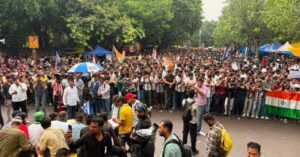
The recent protests at Jantar Mantar, situated approximately 2 km from the Parliament, witnessed a significant turnout as demonstrators, including families with young children, gathered to voice their demands. Tensions rose as participants attempted to breach police barricades, leading to confrontations where officers resorted to tear gas and batons to disperse the crowd.
The catalyst for this escalation was the ongoing dissatisfaction with systemic failures in the examination processes for medical colleges and government jobs, compounded by reports of paper leaks. Protesters have been camping in New Delhi for the past month, showcasing their commitment to the cause, further amplified by high-profile incidents like the forced hospitalization of activist Sonam Wangchuk during a hunger strike.
Demands and Wider Implications
The protestors have articulated clear demands: the resignation of Education Minister Dharmendra Pradhan, serious reforms to the examination system, and adequate redress for families of students who have tragically taken their lives in light of academic pressures and failures. These issues speak to a larger narrative about the efficacy of India’s education system, which many believe is not only failing to equip students for success but also lacking in integrity.
In response to the mounting pressure, the government appears to be initiating outreach efforts to the movement’s leaders, potentially indicating an acknowledgment of the need for dialogue. This reaction underscores the critical moment in which the government finds itself as it confronts widespread discontent among one of the largest demographics in the nation — its youth.
What This Means
The events surrounding the Cockroach movement signal a pivotal juncture in India’s socio-political landscape, particularly as the youth constitute a significant portion of the electorate. The call for educational reforms resonates with a broader push for systemic accountability and transparency. As the government navigates these demands, it may have profound implications on future policies and the trust between the youth and the state. Ignoring these issues could potentially fuel further unrest, while addressing them may lead to a more engaged citizenry willing to advocate for constructive change.
Frequently Asked Questions
What triggered the Cockroach movement?
The movement was sparked by a controversial comment from the Chief Justice of India, who likened unemployed youth to “cockroaches,” which ignited widespread outrage and became a unifying theme for protests.
What are the main demands of the protesters?
The protesters are demanding the resignation of Education Minister Dharmendra Pradhan, reforms in the examination system, and compensation for families of students who have died by suicide amid the ongoing educational crises.
How has the government responded to the protests?
In light of the escalating protests, the government has begun to reach out to leaders of the Cockroach movement, suggesting a possible willingness to engage with their demands.
Where are the protests occurring?
The protests are primarily centered at Jantar Mantar in New Delhi, a designated area for demonstrations, but they have also gained traction in various cities across India, particularly in academic institutions.