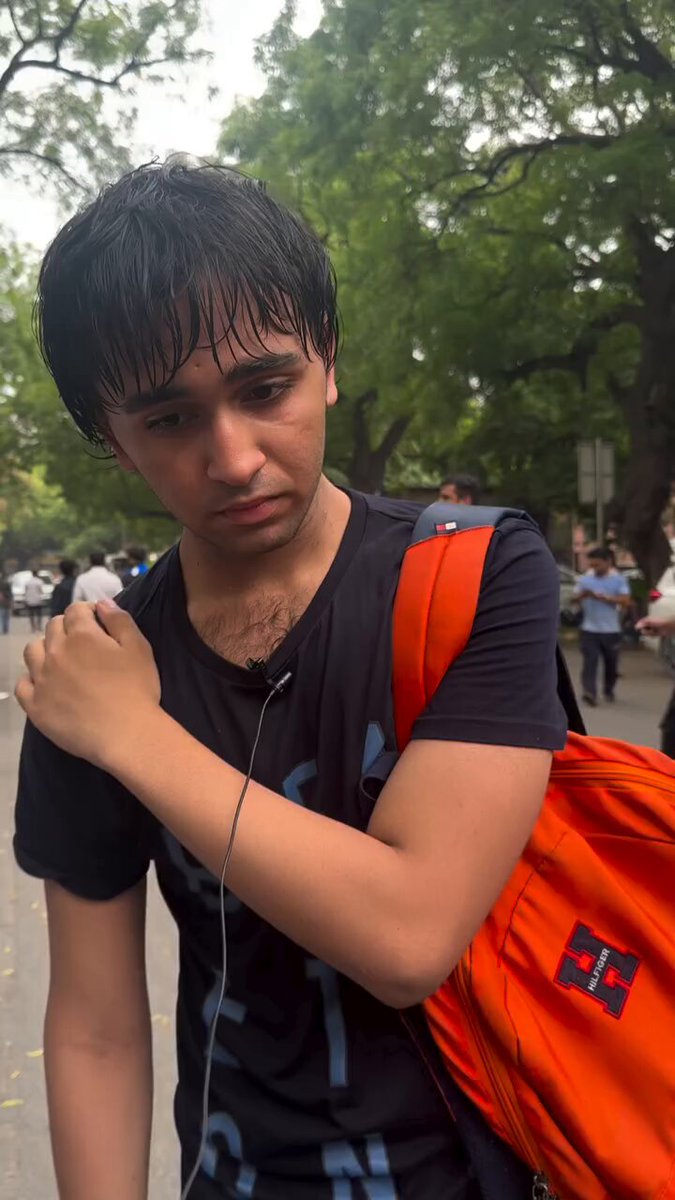

The recent incident involving a sixteen-year-old protester, Karan, has sparked widespread outrage following his lathi charge by the Delhi police. Karan expressed deep shock and disbelief, stating that he is not crying due to physical pain but because he cannot comprehend why he faced such violence for advocating for the country’s welfare. This incident raises critical questions about the treatment of protesters in India, particularly the youth engaged in civic activism.
Background of the Protests
The protests in question are part of a broader movement aimed at addressing social and political issues in India. Young activists like Karan have been at the forefront, advocating for changes in policies and governance that impact their future. The increasing participation of youth in political activism has become a notable trend, showcasing their willingness to stand against injustices and their strong desire to contribute positively to society.
The Incident: Karan’s Lathi Charge
Karan’s experience exemplifies the levels of police brutality faced by protesters. Eyewitness accounts detail how Karan, while peacefully participating in a demonstration, was charged by police using batons, a tactic known as lathi charge in India. This incident has raised concerns about the excessive use of force by law enforcement against civilians, particularly young protesters advocating for reform. Karan’s emotional breakdown after the incident illustrates the psychological impact such violence can have on individuals, effectively silencing many voices of dissent.
The Broader Implications for Civil Rights
This incident does not exist in isolation. It reflects a growing trend of hostility toward peaceful protests in India, highlighting the fraught relationship between the state and its citizens. As the government continues to impose restrictions on free speech and assembly, many activists fear further marginalization. Karan’s statement, that his only ‘fault’ was wishing for the nation’s betterment, underscores the need for a society that nurtures democratic engagement rather than punishes it. The incident not only highlights the plight of individual protesters but also signals a troubling atmosphere for civil rights in the country.
Why This Matters
The significance of Karan’s experience extends beyond the hurt inflicted on a single teenager; it raises alarms about the status of democratic rights and freedoms in India. As the youth increasingly feel targeted for their activism, the potential decline of civic engagement cannot be ignored. When young voices, which hold the promise of future change, are stifled, the democratic fabric of society weakens. This incident serves as a stark reminder of the importance of protecting civil liberties, ensuring that every citizen can safely express their views without the threat of violent repercussions.
Frequently Asked Questions
What is a lathi charge?
A lathi charge is a method used by police in India, typically involving baton strikes, to disperse crowds during protests and riots. It is often criticized for its brutality and the potential for harm to peaceful protesters.
What issues are protesters in India currently addressing?
Protesters in India are advocating for a range of issues, including social justice, environmental concerns, governmental accountability, and educational reforms. The involvement of young activists emphasizes the significance of these issues for the future of the country.
How has the government reacted to protests in the past?
Government reactions to protests in India have varied, with instances of dialogue and concessions, but often exhibiting a heavy-handed approach involving arrests and police violence, as seen in Karan’s case. The reaction often reflects the political climate and the specific issues being protested.
What can citizens do to advocate for their rights?
Citizens can engage in peaceful protests, utilize social media to raise awareness, participate in civic discussions, and support organizations that promote civil rights and democratic engagement to advocate for their rights effectively.