
Brutal Assault Reveals Deep-seated Discrimination Against Muslims in India
A recent incident in Madhya Pradesh has underscored the alarming trends of discrimination and violence against Muslims in India. The brutal mob assault of a 20-year-old Muslim student, Sohail Khan, over alleged interactions with a Hindu girl exposes the intersection of communal tensions and social exclusion under the current political climate. Eight men have been arrested following a video of the assault going viral, shedding light on an incident that reportedly went unreported for over a month.
Details of the Assault and Its Aftermath
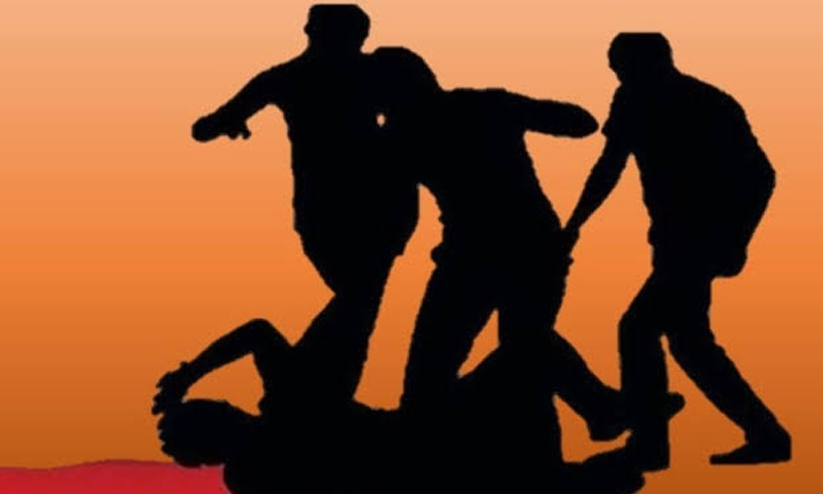
The attack took place on June 7, when Sohail Khan was allegedly abducted from a tea shop at Chunabhatti Chowk. He was taken hostage by Asmit Mana Thakur and his associates, who interrogated him about his relations with a Hindu girl. Despite denying any recent contacts, Khan endured nearly two hours of physical abuse, being beaten with sticks, iron pipes, and electrical wires. To exacerbate his suffering, the attackers rubbed a mixture of salt and chilli into his wounds.
In a chilling turn of events, the assailants forced Sohail to the college campus, where the girl was brought in to publicly apologize to him. The gang allegedly threatened him at knifepoint, warning that he would be framed in a false sexual assault case if he reported the incident. Out of fear for his life, Khan did not contact the police and only confided in family members about the horrific ordeal.
Political Context and Implications
This incident is part of a troubling pattern of violence and discrimination against Muslim communities in India, exacerbated by the political atmosphere under the ruling Bharatiya Janata Party (BJP) and affiliated organizations like the Rashtriya Swayamsevak Sangh (RSS). Under this regime, there have been increasing reports of mob violence, social exclusion, and economic boycotts targeting Muslims, which many attribute to rising Hindu nationalism.
As incidents like these gain visibility, they raise pressing questions about the state’s role in safeguarding minority rights. The political narrative around communal identity and relationships has contributed to an environment where young Muslims like Sohail face precarious social conditions and threats of violence. The ongoing investigations into this case may not only affect those directly involved but could also signal a broader societal reckoning with the issues of discrimination and violence against Muslims.
Why It Matters
The implications of this case extend beyond the immediate violence faced by Sohail Khan. It provides critical insight into the broader issues of discrimination and social exclusion impacting Indian Muslims today. Understanding these patterns can inform global conversations about minority rights, communal harmony, and the socio-political landscape of India. Furthermore, the international community’s response to such incidents can influence future policy and discourse surrounding human rights in India, especially as the country continues to navigate its complex identity dynamics.
Frequently Asked Questions
What happened to Sohail Khan, and why did it gain attention?
Sohail Khan, a 20-year-old Muslim student, was violently assaulted by a mob over alleged interactions with a Hindu girl. The incident gained attention after disturbing videos of the attack surfaced online, prompting police action and public outrage.
What are the allegations made by the girl involved?
The girl has alleged that Sohail misbehaved with her at college and pressured her to convert to Islam. However, police have not yet confirmed any evidence to substantiate either party’s claims, and a thorough investigation is ongoing.
What measures are being taken by authorities in response to this incident?
Eight men have been arrested in connection with the assault, and a police investigation is underway to gather evidence and clarify the circumstances surrounding the attack, including the involvement of the girl.
How does this incident reflect broader issues in Indian society?
This incident exemplifies the rising communal tensions and patterns of discrimination faced by Muslims in India under the current political regime, highlighting the need for systemic changes to ensure the safety and rights of minority communities.