
Summary
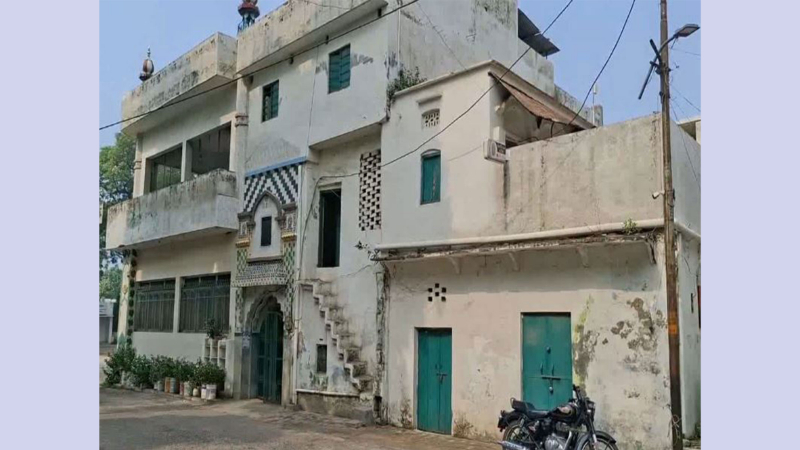
The recent ruling by the Saharanpur city magistrate to demolish an illegal mosque on the premises of the district magistrate’s office is a striking example of the ongoing tensions surrounding religious structures in Uttar Pradesh. This decision, influenced by a complaint from a Bajrang Dal leader, raises significant concerns regarding the treatment of minority communities and the implications of government actions under the current Sangh and BJP-led administration.
Case Background and Legal Action
On July 17, 2026, the Saharanpur city magistrate’s court ordered the immediate demolition of a mosque situated within the district magistrate’s office complex. The action results from a complaint filed by Vikas Tyagi, a former provincial coordinator of the Bajrang Dal, who alleged that the mosque was not only illegal but also that its occupants were misusing government land for commercial purposes, including operating a post office and renting out rooms.
City Magistrate Kuldeep Singh ruled after extensive hearings, imposing a hefty fine of Rs 6.41 crore on the occupants for illegal encroachment. The magistrate asserted that the mosque’s presence compromised the security and confidentiality of the government office, highlighting how sensitive locations are becoming battlegrounds for religious and political contestations.
Wider Implications of Demolition Actions
This is not an isolated incident; similar actions have gained traction in Uttar Pradesh, with previous demolitions of religious structures engendering considerable concern among minority communities. For instance, the demolition of a portion of the Madni Mosque in Kushinagar last year also faced backlash. In that case, the mosque committee claimed to have legally acquired the land, disputing allegations of encroachment.
The Supreme Court intervened in the Kushinagar case, issuing a notice against the Uttar Pradesh government regarding the demolition, thereby emphasizing the legal complexities surrounding these actions. Such governmental practices, perceived as targeting specific religious communities, foster an environment of social exclusion and discrimination against Muslims in India, complicating the relationship between the state and minority groups.
Sangh Parivar Influence on Governance
The growing influence of the Sangh Parivar and the Bharatiya Janata Party (BJP) on local and national governance has led to a perceptible shift in policy, particularly regarding the handling of religious minorities. This ruling reflects a strategy that targets not just illegal constructions but also communities that are part of a larger socio-political narrative perceived as increasingly exclusionary.
The government’s focus on removing what it labels as illegal structures resonates with the wider agenda of asserting Hindu nationalism, thereby marginalizing Muslim identities and claims to land. Such actions undermine the secular ethos enshrined in the Indian Constitution, raising questions about religious freedom and the safeguarding of minority rights.
Why It Matters
The actions taken by local authorities in Saharanpur and other regions highlight a significant trend in how governance intersects with religious identity in India. For developers, policymakers, and civil society, this poses a pragmatic challenge: balancing the enforcement of laws with the fundamental rights of citizens. The trend toward demolishing minority religious structures not only affects community relations but also influences broader socio-political stability in the region. Observers must critically analyze how these developments could affect the socio-economic landscape and the dynamics of religious coexistence moving forward.
Frequently Asked Questions
What triggered the demolition of the mosque in Saharanpur?
The demolition was triggered by a complaint from Vikas Tyagi, a former Bajrang Dal leader, claiming it was illegally constructed and being misused for commercial activities, impacting the security of a sensitive government area.
What are the consequences of the court’s ruling?
The court’s ruling mandates the demolition of the mosque and imposes a fine of approximately Rs 6.41 crore on its occupants for illegal encroachment and misuse of government property.
How have similar cases been handled in Uttar Pradesh?
Similar cases, such as the demolition of parts of the Madni Mosque in Kushinagar, have faced legal challenges and public outcry, indicating a recurring pattern of conflict over religious structures in the state.
What is the broader significance of these demolitions?
The demolitions raise significant concerns regarding discrimination against Muslim communities in India, as they reflect a trend of exclusionary practices under the current political climate, potentially undermining secular governance.