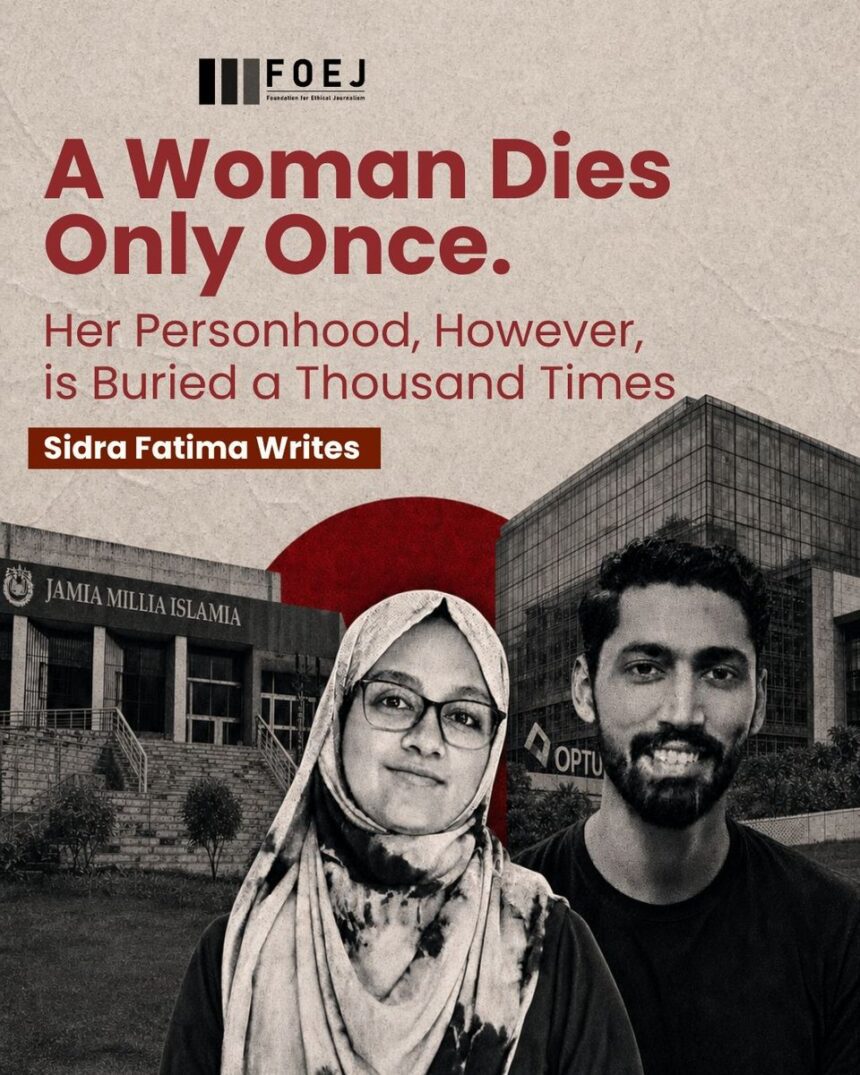

A recent commentary by prominent Indian political commentator @zoo_bear sheds light on the often-ignored factors surrounding violence against women in India. It emphasizes that a woman’s choices should not dictate her right to justice, highlighting the issue of selective outrage in society.
Context of Violence Against Women in India
Violence against women in India continues to be a pressing issue, with high-profile cases illuminating systemic problems within law enforcement and societal attitudes. From domestic abuse to honor killings, the spectrum of violence often addresses not only the act itself but also scrutinizes the victim’s lifestyle choices. This scrutiny can lead to victim-blaming, where women’s individual narratives are overtly politicized, creating a narrative that often overshadows their suffering.
The commentary argues that a woman’s personal life—whether she conforms to societal norms or not—should have no bearing on the violence she endures. In a country where traditional views often dominate public discourse, the emphasis on ‘respectability’ can distort the reality of justice and further marginalize victims.
The Issue of Selective Outrage
The phenomenon of selective outrage is particularly concerning. Social media has transformed how society reacts to victims; often, the narrative propounded can either support or challenge preconceived norms. According to @zoo_bear, victims of violence are sometimes viewed as symbols that serve particular societal narratives. When their stories align with the public’s expectations, they are championed. However, if the victim’s life choices complicate those beliefs, they may become neglected or even silenced.
This selective outrage leads to an uncomfortable dynamic where a victim’s suffering is relegated to a secondary status. The essential tragedy of violence is overshadowed by the effort to extract moral lessons that confirm societal biases. It raises the broader question: is the victim always the primary focus, or do they just become a means to communicate a more palatable message?
Legal and Societal Implications
The legal implications of this discourse are significant. When laws are enacted to protect women, they should not distinguish between ‘worthy’ and ‘unworthy’ victims. Every woman has the right to justice, irrespective of her lifestyle or decisions. Legal frameworks must be enforced impartially to avoid marginalizing those who do not conform to traditional norms.
As public discussions evolve, the challenge lies in creating an inclusive dialogue that prioritizes the victim’s experience over societal expectations. This includes reshaping policies to ensure that they offer protection to all women, without prejudice. The varied experiences of women—whether they are aligned with societal views or contrary to them—must be acknowledged if we are to protect against violence comprehensively.
Why This Matters
For Indian readers, this discourse holds significant political weight. As feminist movements gain traction, the issues of justice delivery and victim recognition are critical components of broader discussions concerning women’s rights. The conversation challenges societal norms, urging a reevaluation of the status quo concerning how women are viewed and protected in Indian society. It calls for proactive engagement from stakeholders across the spectrum—from lawmakers to civil society organizations—to cultivate a culture where justice is unequivocally available to all women.
Addressing these concerns is not just a legal necessity; it is fundamental to advancing societal attitudes towards women’s rights. The ongoing debate about the treatment of victims can shape future policies and ultimately lend broader support to the cause of gender equality in India.
Frequently Asked Questions
What is selective outrage in the context of violence against women?
Selective outrage refers to the tendency of people to express concern and empathy for certain victims while neglecting or minimizing the suffering of others. This often depends on whether the victim’s life choices align with societal norms.
How do personal choices impact a woman’s right to justice?
A woman’s personal choices should not impact her right to justice; every woman deserves protection and acknowledgment, irrespective of societal judgments regarding her lifestyle.
Why is victim-blaming a significant issue in discussions about violence against women?
Victim-blaming shifts the responsibility of the violence onto the victim, often undermining their pain and suffering. This perspective can prevent genuine understanding and effective action against the root causes of violence.
What can be done to ensure equitable treatment of all women in the justice system?
To ensure equitable treatment, legal frameworks must be enforced impartially, and societal attitudes must shift to recognize the dignity and rights of all women, regardless of their lifestyle choices.