
Summary
Kunal Kamra, a well-known Indian comedian, faces legal notice from advocate Amita Sachdeva over remarks made during a protest. The comments, which involved sacred names from Hindu mythology, have sparked outrage, leading to demands for public apologies and the removal of the offending video.
Context of the Controversy
On July 15, 2026, during a protest organized by the “Cockroach Janta Party” at Jantar Mantar in Delhi, Kamra made comments that linked the revered figures of Lord Rama and Sita with contemporary political figures. This satirical approach, often characteristic of Kamra’s comedic style, aimed to critique the political landscape; however, it has been perceived as an offensive misuse of sacred names. The specific phrase, “Sita ke pati ka naam le lekar Nita ke pati ka kaam kar rahe hain,” which translates to using Sita’s husband’s name to critique another public figure, ignited significant backlash from segments of the Hindu community.
Legal Repercussions and Demands
Following the uproar, advocate Amita Sachdeva issued a legal notice demanding that Kamra take immediate actions. The notice lays out several demands, including the deletion of the video and a public apology for the perceived offense against Hindu sentiments. It cites potential violations of criminal laws regarding the deliberate outrage of religious feelings, in line with the Supreme Court’s directions urging authorities to act against such offenses regardless of the offender’s status.
The legal notice outlines that the remarks made by Kamra have deeply hurt the sentiments of many Hindus and have been perceived as intentionally derogatory. This highlights a growing trend in India where comedians and public figures are increasingly scrutinized for their expressions, especially when they intersect with religious beliefs.
Public and Political Reaction
The reaction to Kamra’s comments has been polarizing. Many supporters laud the comedian for his willingness to use humor as a means of critique against political incumbents, while detractors argue that crossing the line into religious matters is unacceptable. Social media has been flooded with comments from various factions of the political spectrum, and reactions reflect the current tensions surrounding freedom of expression and religious sentiments in India.
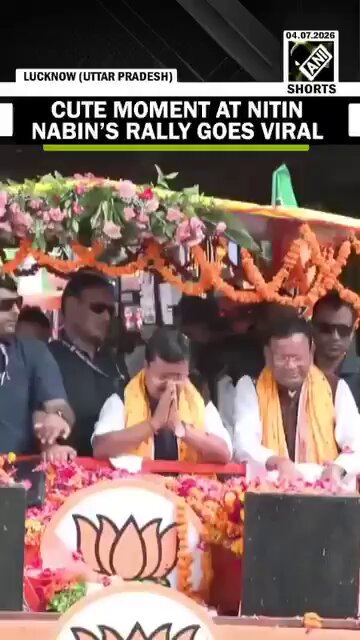
Prominent figures, including journalist Smita Prakash, termed the incident a “cute moment,” perhaps indicating a more light-hearted approach to what many others consider a serious affront. This disparity in reactions underscores the challenges of navigating humor in a religiously diverse nation, where sensitivities can easily be triggered.
Why This Matters
The incident encapsulates the broader struggle within India regarding the balance between freedom of speech and respect for religious sentiments. While comedians and public figures enjoy the right to critique government actions and policies, this incident raises critical questions about the boundaries of satire, particularly when it involves revered religious figures. The increasing legal scrutiny on such expressions could pave the way for more significant constraints on free speech, altering the landscape of political commentary and satire in India.
Moreover, the backlash has implications for how minorities within Indian society express dissent or criticism. As the environment for free expression becomes increasingly fraught, the political ramifications of incidents like this can influence both public discourse and policy-making surrounding freedom of speech and religious tolerance.
Frequently Asked Questions
What are the consequences Kunal Kamra faces?
Kamra could face legal action if he fails to comply with the demands outlined in the legal notice, which include deleting the video and issuing a public apology.
Why was the statement considered offensive?
The statement was deemed offensive as it involved the names of Lord Rama and Sita, significant religious figures in Hinduism, which many believe should not be used in a satirical or mocking context.
What does the legal notice entail?
The legal notice demands that Kamra delete the offending video, issue a public apology, and agree in writing not to misuse sacred names in the future.
What is the public reaction to this incident?
The public reaction has been mixed, with some supporting Kamra’s right to humor while others condemn his remarks as offensive to religious sentiments.