
Muslim Heritage Under Threat in Northern India
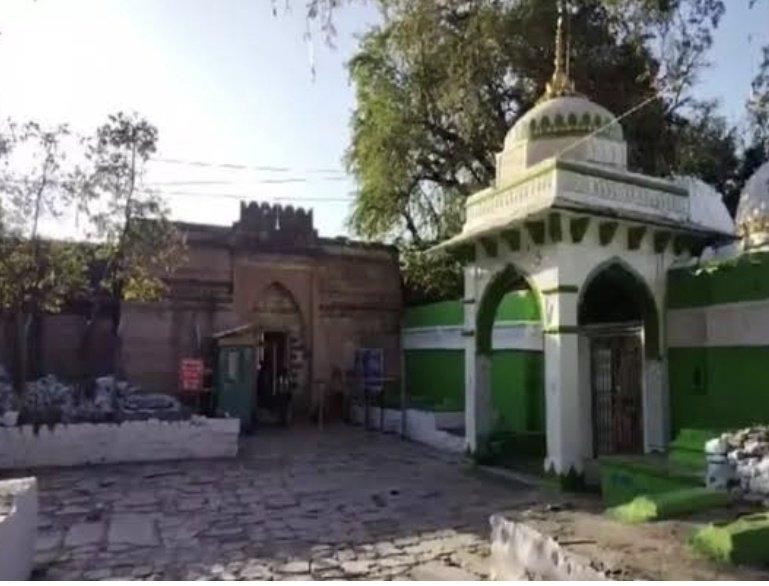
Authorities in Rampur, Uttar Pradesh, have demanded that caretakers of a historic mosque and an adjacent Sufi shrine prove ownership of the land within seven days, heightening concerns among Muslim communities about the possible demolition of religious sites. This incident is part of a broader pattern of targeting Islamic properties and heritage amidst ongoing political tensions.
Government Action: A New Demolition Order
The Public Works Department (PWD) has issued a notice regarding the mosque and dargah, which is built over the grave of a revered saint. K.V. Singh, the Executive Engineer at PWD, stated that a review of departmental records shows no authorized documents for the structures, implying that they could be removed if deemed encroachments on government land. “If it is found to be an encroachment, it will be removed,” Singh remarked, firmly stating the department’s position.
In defense, the caretaker of the mosque contends that the site is around 150 years old and is registered with the state’s Waqf Board, responsible for managing Muslim religious endowments. He indicates that necessary documentation proving ownership will be submitted within the stipulated timeframe, cautioning that any demolition despite legal ownership would be considered unjust.
The Broader Context of Religious Tensions
This latest notice comes as Uttar Pradesh has witnessed a series of demolitions impacting Muslim mosques, homes, and educational institutions, all framed under the administration of the Hindu nationalist Bharatiya Janata Party (BJP), led by Chief Minister Yogi Adityanath. Critics argue that these actions form part of a systemic discrimination against Islamic institutions under the guise of legal mandates.
Muslim organizations, alongside civil rights advocates, have accused the authorities of targeting Islamic properties disproportionally, using rationale linked to urban development and anti-encroachment initiatives. Officials, however, maintain that their actions are compliant with the laws and claim no bias against any religion is intended. This narrative has sparked intensified scrutiny regarding the implications for India’s secular identity.
Implications for Secularism and Heritage
The ongoing situation raises alarms over the broader implications for religious freedom and secularism in India. With the BJP’s movements affecting Islamic heritage sites across several states including Rajasthan, there exists a growing unease within minority communities. Recent demolitions of mosques and Sufi shrines emphasize a perceived effort to erase or suppress Islamic culture, leading to fears over further marginalization and economic boycotts targeting specific communities.
Such actions could potentially reshape community dynamics and increase societal fractures, making it pivotal for international and domestic observers to remain vigilant. The response from authorities and local communities will play a significant role in determining how these events evolve, especially amid a tense political climate.
Why It Matters
This situation is critical for understanding the intersection of politics, religion, and identity in India. The systematic pattern of demolitions of Muslim religious sites has implications for communal harmony and national unity. By examining how policies are implemented under the pretext of urban development, we can gain insight into the challenges faced by minority communities in asserting their rights and preserving their cultural heritage.
Frequently Asked Questions
What is the significance of the mosque and dargah in Rampur?
The mosque and dargah are historic religious sites, reportedly around 150 years old, which hold cultural and spiritual significance for the local Muslim community. Their potential demolition raises concerns about the preservation of Islamic heritage.
What actions have been taken against Muslim religious sites in India recently?
Authorities have carried out demolitions of mosques, Sufi shrines, and religious schools in several BJP-ruled states, often citing urban redevelopment and anti-encroachment efforts. These actions have faced criticism for disproportionately impacting Muslim communities.
What legal grounds are authorities using for the demolitions?
Authorities claim that demolitions are performed based on legal assessments that label certain structures as unauthorized or encroachments on government land. Caretakers, however, often dispute these claims, putting forth documentation of ownership.
How are Muslim organizations responding to these threats?
Muslim organizations are mobilizing against perceived injustices, alleging targeted discrimination and raising awareness about the broader implications on communal relations and religious freedom in India. Many are preparing legal challenges to contest demolitions.