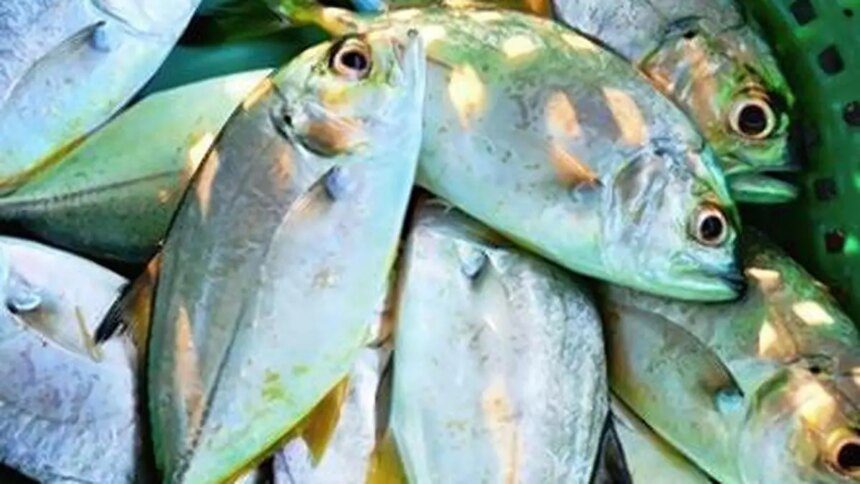

The Indian government is set to enhance its fisheries sector by implementing an export-oriented policy, particularly focusing on inland fisheries, which currently makes up only 2% of the nation’s fishery exports. Minister Rajiv Ranjan Singh has urged the Indian Council of Agricultural Research (ICAR) to support fish farmers directly with advanced technologies, while innovative solutions like drones for product transport are being explored to alleviate logistical challenges.
Export Potential and Challenges
The potential for growth in India’s fisheries sector is significant, as highlighted by the increase in fishery exports which surged to over Rs 72,000 crore for the fiscal year 2025-26. The Minister credited the success largely to India’s free trade agreements (FTAs) with various countries. However, obstacles remain, particularly in transport logistics. Singh emphasized the need for efficient transport systems to connect inland fisheries with export hubs, suggesting that innovative methods like drones could transform the current supply chain limitations that disrupt timely delivery. A notable example cited is the shrimp farming sector in Haryana, where seeds are transported from southern states to fish ponds, indicating a complex logistical web that needs to be streamlined.
ICAR’s Role in Advancement
During the recent foundation day event of ICAR, Singh underscored the organization’s critical role in advancing agricultural technology, particularly in making India the world’s second-largest producer in fisheries. He pledged additional funding to develop technologies that are accessible to fish farmers, thus enhancing productivity. Union Agriculture Minister Shivraj Singh Chouhan also presented ambitious targets for ICAR, focusing on spearheading climate-smart initiatives and enhancing research in cutting-edge fields such as artificial intelligence and gene editing. ICAR aims to establish 100 climate-smart villages and facilitate the adoption of innovative agricultural models in aspirational districts to create sustainable agricultural ecosystems.
Addressing Agricultural Challenges
Amidst these advancements, both Ministers acknowledged ongoing challenges in agriculture, especially in pulses and oilseeds. Chouhan urged ICAR to improve yields without resorting to genetically modified (GM) technology. With pulse productivity currently languishing at just 5 quintals per acre, the need for innovative agricultural practices is pressing. He urged the Director General of ICAR to devise strategies to revitalize this sector. The trend of farmers shifting focus toward rice and wheat once they gain access to irrigation—at the expense of pulse production—was also highlighted as a cause for concern, underscoring the need for policy intervention in crop diversification.
What This Means
These developments indicate a strategic pivot towards enhancing India’s agricultural output through technology and innovation. Emphasizing inland fisheries aligns with global economic trends where sustainable aquaculture is increasingly valued. The government’s focus on logistics and direct farmer support signifies a recognition of existing barriers to export growth, which could ultimately lead to enhanced economic opportunities for fish farmers. Moreover, the ambitious goals set for ICAR could serve as a catalyst for broader agricultural reforms, driving a shift towards more sustainable and technologically advanced farming practices, crucial for India’s food security in the long term.
Frequently Asked Questions
What is the significance of India’s fisheries policy reform?
The reform aims to increase fishery exports and improve the economic viability of inland fisheries, which currently contribute minimally to overall exports, ensuring better livelihood opportunities for fishermen.
How does the Indian government plan to enhance fish production?
By leveraging technological advancements and increasing funding to ICAR, the government aims to make modern farming techniques more accessible, thereby boosting productivity.
What role do drones play in fisheries?
Drones are being explored as a potential solution for improving the transport of fish products and farming inputs, addressing current logistical challenges in reaching markets effectively.
How will these changes impact Indian agriculture in the future?
By enhancing productivity and focusing on sustainability, these changes are expected to increase food security and economic resilience in India’s agricultural sector.