
Summary: In a concerning trend, the BJP government in India has targeted numerous Muslim religious sites, including mosques and shrines, in an effort described as systematic demolition. Over a 45-day period, at least twenty-three sites, including the historic Ganj-e-Shahidan Mosque, have been demolished, highlighting growing discrimination against Muslim communities in the country.
Targeted Demolitions of Religious Sites
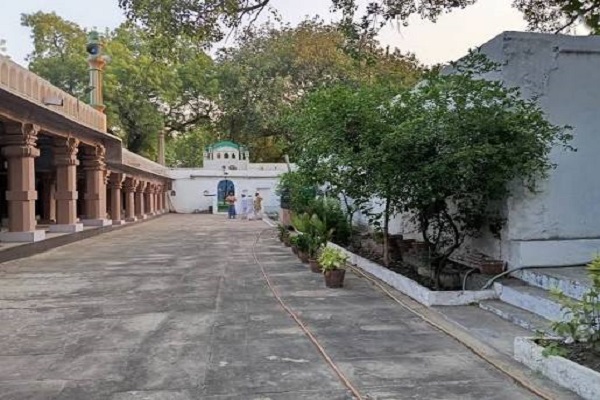
The recent actions by the BJP government have raised alarm among various human rights organizations and observers. The historic Ganj-e-Shahidan Mosque, a remarkable structure over a thousand years old, has fallen victim to the ongoing wave of demolitions, marking a significant loss in cultural heritage. A demolition notice was issued for the mosque, and the deadline for eviction has since passed, leading to further uncertainty for the community and its heritage.
According to reports from the Muslim Mirror, more than twenty-three mosques, religious seminaries, Eidgahs, and cultural shrines have been demolished in just 45 days. The BJP-led government has shown a clear trend of removing Muslim heritage sites, impacting not only places of worship but also community identity and history.
Widespread Community Impact
The ramifications of these demolitions extend beyond mere structures; they affect the social fabric of communities. Many Muslims view these actions as an assault on their faith and identity, leading to a heightened sense of alienation and exclusion. The report notes that since May, at least twenty religious sites have been razed. This creates an emotionally charged atmosphere where communities feel under siege, facing repercussions that may include reduced access to public spaces and cultural erasure.
Moreover, these actions have triggered protests and a call for greater awareness regarding the treatment of Muslims in India. Activists argue that the demolitions reveal broader patterns of social and economic marginalization, where Muslim communities are often sidelined in both policy discussions and public perception.
The Role of Political Narratives
The political landscape in India under the BJP has seen a rise in narratives that demonize Muslims, portraying them as outsiders or threats to national integrity. This rhetoric often legitimizes actions against Muslim heritage, making it easier for authorities to execute demolitions under various pretexts, including urban development or alleged illegal construction.
Supporters of the government will often claim that these demolitions are necessary for development; however, critics highlight that such justifications mask the discriminatory underpinnings of these actions. By erasing significant cultural and historical sites, the government not only changes the landscape but also distorts communal narratives, fostering division rather than unity.
Why It Matters
Understanding the implications of these demolitions goes beyond cultural heritage; it speaks to broader issues of social justice, human rights, and community cohesion in India. Observers note that continued targeting of Muslim sites could further alienate communities and lead to widespread unrest, impacting the political stability of the nation.
For policymakers and global observers, these developments represent a crucial moment in India’s democratic journey. Loss of historical sites and the marginalization of significant portions of the population may ultimately undermine social harmony and economic growth, increasing tensions between different cultural and religious communities.
Frequently Asked Questions
What is the current status of the Ganj-e-Shahidan Mosque in Varanasi?
The Ganj-e-Shahidan Mosque, a thousand-year-old heritage site, has received a demolition notice and the deadline for eviction has passed, leading to concerns about its imminent destruction.
How many religious sites have been demolished by the BJP government recently?
Reports indicate that over twenty-three mosques, shrines, and religious seminaries have been demolished within a span of 45 days by the BJP government.
What are the implications of these demolitions for Muslim communities in India?
The demolitions lead to a heightened sense of alienation among Muslim communities, eroding their cultural heritage and contributing to their marginalization and discrimination in society.
Why are these demolitions happening now?
While the government claims to prioritize urban development, many believe these actions are politically motivated and intended to reinforce narratives that marginalize Muslim communities in India.