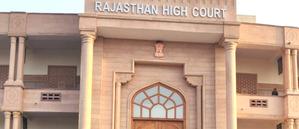
Rajasthan High Court Dismisses Demolition Challenges
The Rajasthan High Court has recently dismissed petitions opposing the planned demolition of mosques, dargahs, and madrasas situated within 50 kilometers of the India-Pakistan border. The court’s ruling underscores the government’s intensified measures related to national security and reflects ongoing tensions surrounding religious sites in the region.
Legal Justifications and Security Concerns
The court ruled that the Union government’s initiative to expand the Border Security Force’s territorial jurisdiction and operational capabilities is a reasoned response to rising security concerns along the international border. The bench, presided by Justice Sameer Jain, maintained that the geographical proximity of these structures warranted increased vigilance and regulatory scrutiny. The court dismissed claims that the demolitions were driven by communal motives, emphasizing that the actions were predicated on national security interests rather than religious discrimination.
Moreover, the court found that the structures designated for demolition lacked proper authorization. Petitioners had received show-cause notices regarding the demolitions but failed to engage in legal proceedings, which led the court to deny their claims citing violations of natural justice. The ruling indicates that in matters of state security, procedural laws may sometimes be set aside to prioritize national interests.
Political Ramifications and Community Response
The proposed demolitions have sparked significant political controversy, particularly among opposition leaders who argue that such actions disproportionately affect Muslim religious sites. Opposition figures, including AIMIM president Asaduddin Owaisi and former Rajasthan Chief Minister Ashok Gehlot, have voiced concerns that the demolition initiative is a systematic targeting of Muslim places of worship.
Owaisi has reported that several mosques in districts like Bikaner, Phalodi, Jaisalmer, and Barmer have already been demolished, alongside claims that notices were issued for the dismantling of hundreds of other religious structures, including a century-old shrine. These developments have led to accusations that the ruling BJP government is undertaking a coercive demolition campaign, especially against historical and religious sites substantial to the Muslim community.
Broader Context of Marginalization
This incident is part of a larger narrative of marginalization faced by Muslims in India under the current political climate. The actions of the BJP and associated groups, often termed “Sangh Parivar,” have led to fears of increasing social exclusion and discrimination. Instances of economic boycotts and ideological campaigns have raised concerns among minority communities, with many believing they are being systematically targeted for their faith and heritage.
These developments highlight a troubling trend in which religious identity increasingly influences state actions and policies, creating environments of tension and fear among Indian Muslims. Such incidents have the potential to escalate communal discord, further complicating India’s socio-political landscape.
Why It Matters
The recent ruling by the Rajasthan High Court concerning the demolition of religious structures is significant in that it highlights the ongoing conflict between state security and minority rights. For individuals, developers, and policy-makers in the tech and AI sectors, the implications of social stability and community relations are critical. The data gathered from environments marked by social division can skew the understanding of local needs and behaviors, which is essential for developers designing solutions tailored to diverse populations. Understanding these dynamics allows for more informed decisions regarding community engagement and ethical considerations in technology deployment.
Frequently Asked Questions
Why were the mosques and dargahs targeted for demolition?
The Rajasthan High Court ruled that the demolition of these structures was rooted in national security concerns due to their proximity to the India-Pakistan border and the perceived need for regulatory oversight.
What arguments did the court make regarding communal discrimination?
The court dismissed claims of communal discrimination, stating that the demolitions were based on security needs rather than an intention to target religious minorities.
What has been the political response to the demolitions?
Opposition leaders argue that the demolitions disproportionately affect Muslim sites, accusing the ruling BJP government of a systematic campaign against minority religious structures.
How can this issue affect social dynamics in India?
The ongoing tension surrounding the demolition of religious sites may exacerbate communal discord and further marginalize Muslim communities, impacting social cohesion across the nation.