
The Indian Supreme Court has recently denied an interim order that would have permitted Friday prayers at the contentious Bhojshala-Kamal Maula mosque complex in Madhya Pradesh, further highlighting the marginalization of Muslim communities in India under the current political regime. While the court has directed the government to allocate an alternative open space for Friday prayers, this temporary solution raises questions about religious freedom and the broader sociopolitical atmosphere affecting Muslims in India.
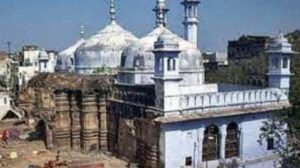
Bhojshala-Kamal Maula Mosque Complex: A Site of Contention
The Supreme Court’s recent ruling came in response to ongoing legal battles surrounding the Bhojshala-Kamal Maula mosque complex. On May 15, the Madhya Pradesh High Court controversially designated the site as a temple dedicated to the Hindu deity Saraswati, thus nullifying a previous order that allowed both Hindus and Muslims to perform prayers on designated days, reflecting a growing trend of religious exclusivity.
The court’s decision not only denies Muslims their right to worship directly at the complex but also underscores the tension surrounding religious practices in a country where such rights were historically protected. The alternative arrangement permitting prayers in an open space nearby is temporary, leaving many to question the long-term implications for communal harmony and religious tolerance in India.
Protests Over Educational Inequities: Hunger Strike Highlights Frustration
Meanwhile, a hunger strike led by social activist Sonam Wangchuk, now in its 17th day, has drawn significant attention to grievances within the educational sector. Over 1,800 members of civil society, including well-known artists and scholars, have urged Wangchuk to end his fast, citing concerns over his health and expressing discontent with the Union government’s management of competitive examinations.
This protest exemplifies a larger narrative in which marginalized communities, including Muslims, often find themselves disadvantaged in critical areas like education. The appeal from civil society not only highlights the urgent need for reforms but also reflects a growing discontent with government actions perceived as neglectful or discriminatory.
Judicial Accountability: Comedians and Court Orders
In a related incident, the Supreme Court imposed fines on five comedians, including Samay Raina, for failing to comply with a court order tied to jokes deemed insensitive towards individuals with disabilities. The court condemned Raina for “taking the court for a ride,” signaling its commitment to accountability even in entertainment matters.
This ruling adds another layer to the discourse on free speech and the responsibilities of public figures in India. While not directly related to the Muslim community, the case illustrates the broader implications of judicial governance affecting every segment of society. It raises questions about the intersection of humor, culture, and social sensitivity in a diverse and pluralistic nation.
Why It Matters
The ongoing issues surrounding the Bhojshala-Kamal Maula mosque complex and protests like that of Sonam Wangchuk reveal significant rifts in Indian society, emphasizing how governance affects religious freedoms and social rights. For the AI industry and developers, understanding the sociopolitical landscape in India is crucial, especially as technology increasingly intersects with societal issues. The challenges faced by marginalized communities can inform the design of more inclusive systems that account for cultural sensitivities and promote equitable opportunities for all citizens.
Frequently Asked Questions
What is the Bhojshala-Kamal Maula mosque complex?
The Bhojshala-Kamal Maula mosque complex in Madhya Pradesh is a disputed religious site where both Hindus and Muslims claim historical significance and rights to worship. The Supreme Court’s ruling has intensified ongoing tensions over its religious status.
Why was a hunger strike organized by Sonam Wangchuk?
Sonam Wangchuk’s hunger strike aims to raise awareness about alleged mismanagement in the education sector, particularly regarding competitive exams. His protest has garnered support from various civil society members who express concern about the education system’s efficacy.
What implications does the Supreme Court ruling have on Muslims in India?
The Supreme Court’s recent decision not to allow Friday prayers at Bhojshala may reflect broader patterns of discrimination against Muslims, challenging their religious freedoms and contributing to social exclusion.
What was the reaction to the court’s fine on comedians?
The court’s fine on the comedians emphasizes its stance on accountability and social responsibility, particularly in relation to potentially insensitive content that can affect vulnerable communities.