
In Uttar Pradesh, the ongoing disputes between Hindu and Muslim parties over three significant temple-mosque sites have taken a contentious turn as both sides have rejected the Supreme Court’s proposal for mediation. This decision underscores the deeply entrenched divisions and competing claims surrounding these historic religious sites.
Background of the Disputes
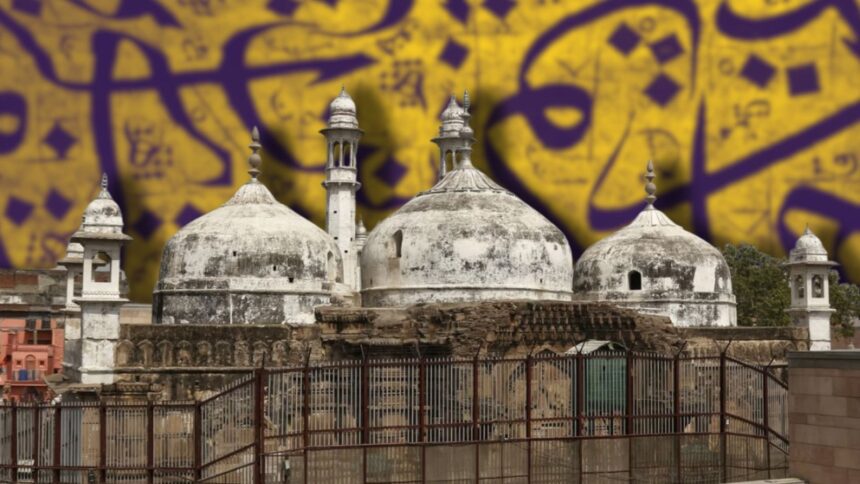
The disputes involve three key locations: the Gyanvapi mosque in Varanasi, the Sri Krishna Janmabhoomi-Shahi Idgah mosque in Mathura, and the Shahi Jama Masjid in Sambhal. Under the initiative “Supreme Court Action for Mediated Adjudication and Disputes Harmonization Across Nation (Samadhan Samaroh) 2026,” the court aimed to provide a platform for out-of-court settlements. However, both Hindu and Muslim parties opted to pursue their claims through the legal channel, indicating their reluctance to compromise.
Gyanvapi Mosque Dispute
The Gyanvapi dispute centers on conflicting narratives regarding the religious character of its complex. Hindu groups assert that the site, long believed to house a temple associated with the deity Lord Vishweshwar, was historically used for Hindu prayers until halted in 1993 due to governmental actions. They maintain that parts of the temple were destroyed during Mughal emperor Aurangzeb’s rule to construct the mosque.
In contrast, Muslim representatives firmly contest these claims, arguing that the mosque’s existence predates Mughal authority and has continuously been in use by the Muslim community. This clash over narrative not only highlights the conflicting religious identities but also deepens communal fissures within the region.
Krishna Janmabhoomi-Shahi Idgah Case
The case involving the Shahi Idgah Mosque in Mathura is equally contentious. The Hindu plaintiffs assert that the mosque occupies the exact birthplace of Lord Krishna, and they have sought its removal based on historical claims that identify the land as temple territory. Initially dismissed by a civil court in 2020 under the Places of Worship Act, 1991, the case was later revived, reflecting ongoing tensions around historical ownership and religious identity.
Sambhal Mosque Dispute
The Sambhal dispute began with claims that the Shahi Jama Masjid was erected on the ruins of a Hindu temple dismantled during the Mughal era. Following a civil court directive for a survey of the mosque, tensions escalated dramatically. During a survey in November 2024, violent clashes erupted, resulting in stone-pelting, arson, and fatalities, including four deaths. These incidents raise pressing concerns about communal violence and the ramifications of such disputes on local populations.
Why It Matters
The ongoing legal battles and the rejection of mediation proposals echo broader implications for social cohesion and the rule of law in India. For the tech industry and AI developers, these conflicts emphasize the necessity of understanding cultural contexts and historical sensitivities when developing AI systems that might engage with diverse groups. Addressing discrimination and exclusion in technology applications can enhance their effectiveness and ensure social responsibility.
Frequently Asked Questions
What are the three major temple-mosque disputes in Uttar Pradesh?
The disputes involve the Gyanvapi mosque in Varanasi, the Sri Krishna Janmabhoomi-Shahi Idgah mosque in Mathura, and the Shahi Jama Masjid in Sambhal.
Why did parties reject the Supreme Court’s mediation proposal?
Both Hindu and Muslim parties declined the mediation offer, opting instead to pursue their claims through the judicial process, reflecting their unwillingness to compromise on deeply held beliefs and historical narratives.
What are the historical claims regarding the Gyanvapi mosque?
The Hindu side asserts that a temple had existed at the site before the mosque was built during Aurangzeb’s reign, while the Muslim side counters that the mosque has continuously been in use since its establishment.
What are the implications of the Sambhal Mosque dispute?
The Sambhal Mosque dispute has led to violence and unrest, raising concerns over communal tensions and the impact of such conflicts on local communities and societal stability.