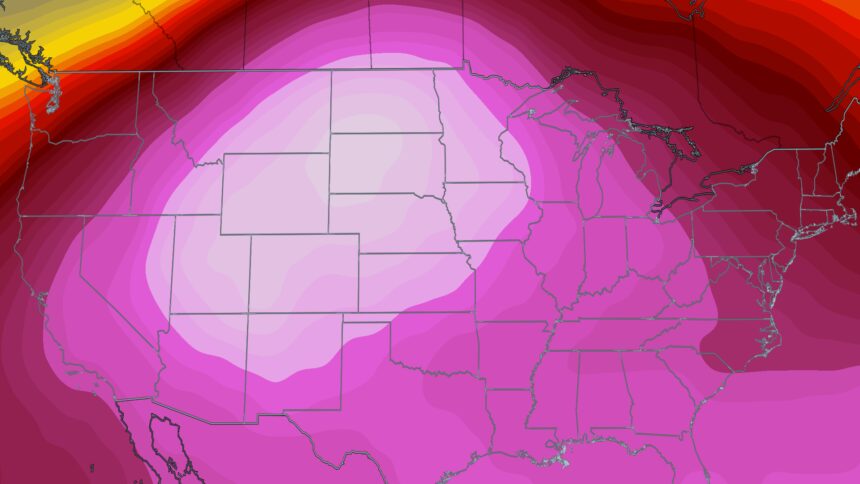

Record-breaking heat is sweeping through the northern Rockies and the Northern Plains in the United States, with temperatures soaring into the upper 90s and even triple digits. This extreme heat is expected to extend its reach to the Midwest and East, leading to heat advisories that will impact many areas, including popular national parks.
The Current Heat Wave: What to Expect
This weekend, a heat dome has initiated a rise in temperatures that has already shattered records across several states like Utah, Idaho, Wyoming, and Montana. In cities like Salt Lake, temperatures are flirting with record highs near 107°F, while others like Billings, Montana, could see their first highs in the 110s in nearly a century. As the heat wave progresses into the Midwest, forecasters expect many areas to hit the 90s and some may even approach the 100°F mark by mid-week.
Impact on National Parks and Outdoor Activities
National parks, such as Glacier and Yellowstone, will not be spared from the heat, making summer visits potentially uncomfortable. Park visitors are advised to prepare for harsh conditions and plan accordingly. Extreme heat advisories are recommending that individuals suspend outdoor activities and seek air-conditioned spaces whenever possible. For those without cooling systems, staying with family or friends who do is an advisable strategy to cope with the oppressive heat.
Transitioning to the East: Widespread Effects Anticipated
The heat is initially making its way to the upper Midwest, specifically Minnesota, before spreading through the rest of the Midwest by Monday and reaching the East coast by Tuesday. As the warm, humid air mass moves in, morning lows—particularly in urban areas—are expected to linger in the 70s, providing little respite from the sweltering conditions. By Tuesday and Wednesday, daily records could be set across parts of the Northeast, impacting states from New England down to the mid-Atlantic.
Why This Is Trending
This trending topic has captured the attention of Indian audiences due to its implications for climate patterns globally. The effects of heatwaves resonate beyond borders, and as India grapples with its own climate challenges, understanding these patterns can provide critical insight. Additionally, many Indians travel to or have relatives in the U.S., making this information relevant for safety and planning. The phenomenon of heat domes adds a new layer to discussions about climate change, prompting Indians to seek knowledge on the subject.
Frequently Asked Questions
What is a heat dome?
A heat dome occurs when a high-pressure system traps hot air in an area, leading to prolonged periods of extreme temperatures. It can result in dangerous conditions, particularly in urban areas where the heat can be exacerbated by concrete and asphalt.
How long is this heat wave expected to last?
Forecasts suggest that intense heat might last through the middle of the week, with some relief expected towards the end of the week as a cold front moves in from eastern Canada.
What precautions should individuals take during this heat wave?
Individuals should stay hydrated, avoid strenuous outdoor activities during peak heat hours, and seek air-conditioned spaces. If air conditioning is unavailable, consider spending time with friends or family who have it or using cooling shelters that may be provided by local authorities.
Are there any specific areas that are at higher risk?
Particularly vulnerable areas include cities in eastern Montana and northern plains states like the Dakotas and Minnesota, where extreme heat watches and warnings are currently in effect.