
Summary
The story highlights the farcical situation regarding teacher training institutions in India, illustrating the disconnect between regulatory frameworks and on-ground realities. Despite inspection teams validating facilities, many institutions remain unfunctional even after a decade, raising concerns about the quality of teacher training in the country.
Context: The Shift in Location
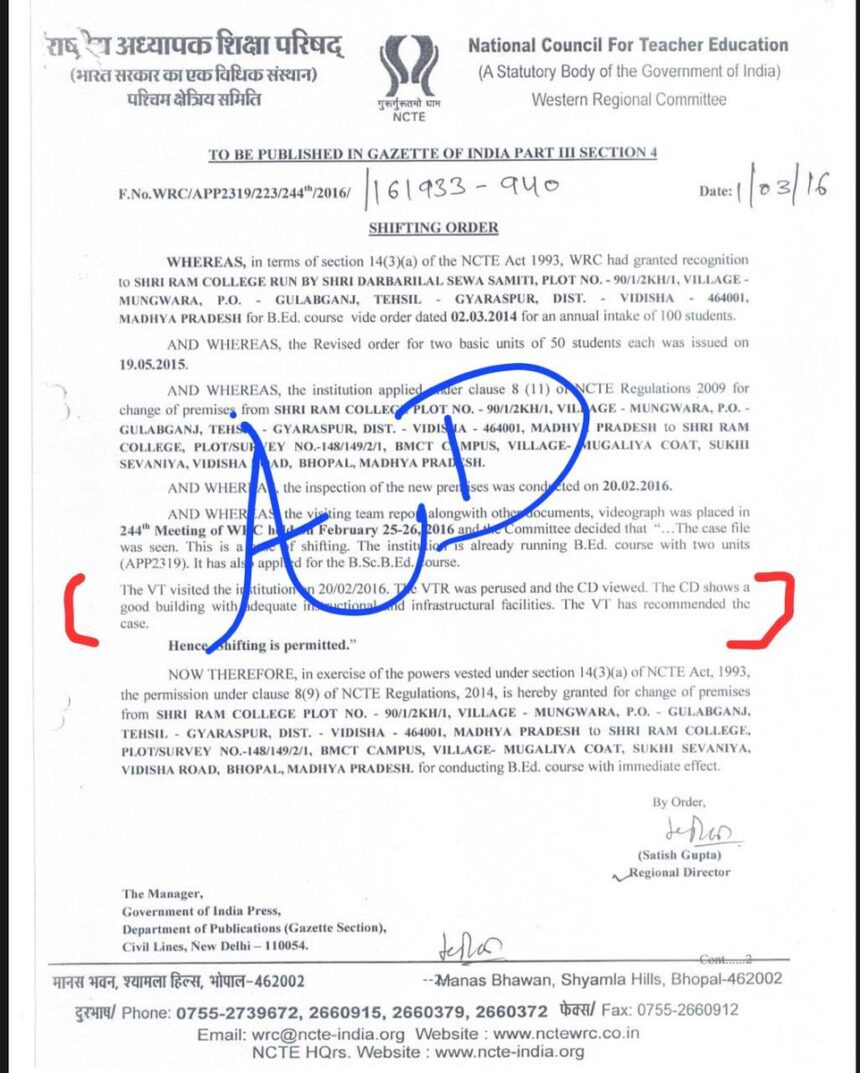
In 2016, a teacher training college was relocated from Vidisha, a town in Madhya Pradesh, to a new campus. The National Council for Teacher Education (NCTE), the regulatory body overseeing teacher education in India, conducted an inspection and praised the new building’s infrastructure, declaring it adequate for housing educational activities. The perception of this transition was largely positive at the time, mainly framed around the promise of advanced facilities and improved educational standards.
However, the reality reported by various sources indicates a troubling contradiction. Despite the architectural investment, the institution did not develop into a functional educational facility, and as of 2026, it remains largely vacant land rather than an operational training ground for aspiring teachers.
Background: The Role of NCTE
The NCTE is empowered to ensure quality standardization in teacher training across India. It conducts inspections and grants recognition to institutions based on various criteria, including infrastructure, faculty qualifications, and curriculum. However, the visible gap between NCTE approval and actual functionality raises questions about the effectiveness of its monitoring procedures.
In this particular case, the college received a green light from NCTE despite being inoperational for years, demonstrating a systemic oversight issue. The disconnect suggests a troubling pattern where compliance with regulatory norms does not necessarily correlate with educational efficacy.
This scenario is symptomatic of a broader issue within India’s education system, where the emphasis on credentials and paperwork often supersedes genuine educational outcomes. When institutions meant to train future educators lack proper establishment, it jeopardizes the quality of education in schools across the nation.
Analysis: The Quality of Teacher Education
The implications of having non-operational teacher training institutions extend far beyond the walls of the college itself. In a country where education is a fundamental right, the preparation of teachers is crucial for cultivating an enlightened and capable citizenry. If teacher training programs are unreliable, the impact on the quality of education delivered in schools can be severe.
Furthermore, this situation reflects a deeper systemic issue where the government allocates resources toward building new institutions without ensuring that they are adequately funded and staffed post-establishment. The deterioration of educator quality can lead to long-term consequences for both the education sector and the socio-economic fabric of Indian society.
Critics argue that the need for urgent reform in the teacher education sector cannot be overstated. Investing in infrastructure is essential, but it must be accompanied by a commitment to operational effectiveness, ongoing faculty development, and accountability mechanisms that ensure institutions serve their intended purpose.
Why This Matters
This situation underscores a critical deficiency in India’s educational framework, particularly concerning teacher training. Given the intrinsic value of quality education in fostering societal progress, it is imperative to address these lapses and enforce accountability.
The implications also resonate politically, as issues related to education remain pivotal in electoral discourse, influencing public perception and governance accountability. As more citizens become aware of such discrepancies, there may be increasing demands for transparency in the education sector, potentially reshaping how policies are crafted and implemented in the future.
Frequently Asked Questions
What was the purpose of relocating the college?
The college was moved to a new facility to improve infrastructure and educational standards for teacher training.
What role does the NCTE play?
The National Council for Teacher Education (NCTE) oversees quality and standards in teacher education institutions across India, providing affiliations and approvals based on various criteria.
Why are non-operational training colleges a concern?
Non-operational training colleges contribute to a decline in the quality of teacher education, which can adversely affect the quality of education provided in schools, ultimately impacting society.
What steps can be taken to resolve these issues?
Enhancing oversight, ensuring adequate funding, fostering accountability, and focusing on continuous improvement in teacher preparation methods are essential to reforming the teacher education sector.