
Partition’s Unfulfilled Promise: A Continuous Struggle
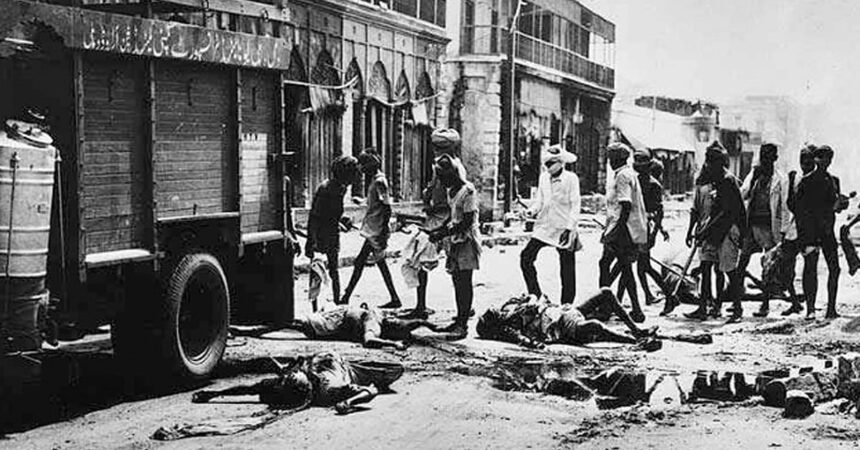
Seventy-seven years after the partition of India and Pakistan, the promise of a Muslim homeland in Pakistan remains unfulfilled. The foundational logic of the partition, designed to create distinct nations for Muslims and Hindus, overlooked the reality that a significant Muslim population would remain in India. This demographic reality has fostered discrimination and marginalization of Muslims in both countries.
The Consequences of Demographic Realities
When Pakistan was established in 1947, it was intended as a sanctuary for Muslims. However, the partition resulted in more Muslims residing in India than in Pakistan. This demographic anomaly has been exploited by nationalist ideologies in India, leading to suspicion and hostility towards Indian Muslims. Today, with over 200 million Muslims, India hosts the largest Muslim minority globally, which has been framed as an unresolved issue rather than a demographic fact. Such framing has severe implications for their rights and safety.
Systemic Violence and Institutional Discrimination
The specter of partition continues to haunt Indian Muslims. Since 1947, various forms of systemic violence have emerged against this community, manifesting through lynchings, social exclusion, and discriminatory laws. Recent incidents include the lynching of Muslim cattle traders and the bulldozing of homes under the pretext of anti-encroachment actions. The Citizenship Amendment Act (CAA) is another distressing outcome, as it intentionally excludes Muslims from pathways to nationality, perpetuating a narrative of erasure. Such actions have created an environment where Indian Muslims are viewed as a “fifth column” rather than as equal citizens.
Why It Matters
The significance of understanding the plight of Muslims in India extends beyond humanitarian concerns. The challenges faced by the community impact the broader social fabric of India. As the world becomes increasingly interconnected, the treatment of minorities in one country can influence international relations and global perceptions of democracy and human rights. The exclusionary measures faced by Muslims, including legislative discrimination and societal marginalization, raise critical questions about the inclusivity of democratic processes in India and their implications for regional stability in South Asia.
Frequently Asked Questions
What led to the partition of India in 1947?
The partition of India was a result of intense communal tensions and political negotiations, primarily between the Indian National Congress and the Muslim League, which demanded a separate nation for Muslims. Lord Louis Mountbatten’s hurried plans culminated in the division of British India into two independent dominions: India and Pakistan.
What are the implications of the Citizenship Amendment Act (CAA)?
The CAA allows for the expedited naturalization of non-Muslim refugees from neighboring countries, effectively excluding Muslims. This act has been criticized for undermining the secular framework of India by creating a religious criterion for citizenship, raising concerns over discrimination against Muslim citizens.
How has the situation for Muslims in India changed since partition?
Since partition, Muslims in India have experienced increasing marginalization, evidenced by discriminatory laws, social exclusion, and targeted violence. Their status has shifted from being part of a pluralistic society to facing suspicion and hostility, making the ramifications of partition a continuous struggle.
What can be done to improve the situation for Muslims in India?
To address the challenges faced by Muslims in India, commitments to inclusive policies, legal protections against discrimination, and initiatives aimed at fostering communal harmony are crucial. Civil society, alongside political will, plays an essential role in restoring equality and justice for marginalized communities.