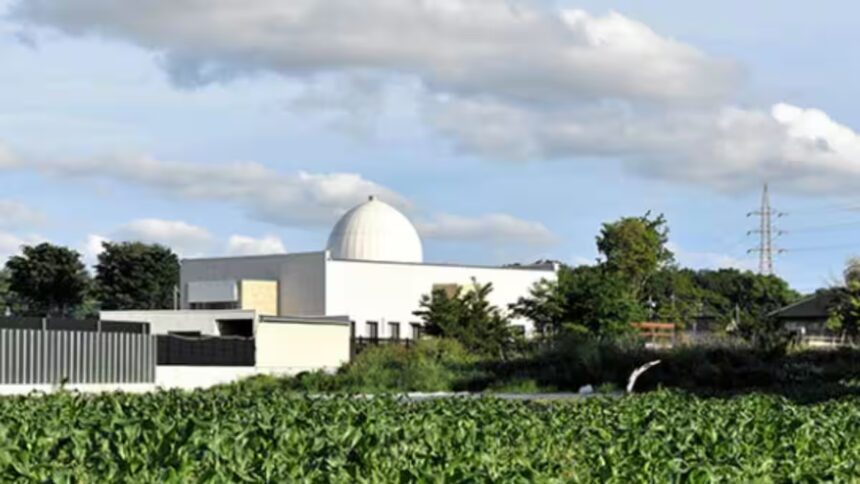

The construction of a mosque in Kawagoe City, Japan, has ignited controversy among Pakistan’s diaspora and local authorities, as it is deemed illegal and may face demolition. Local governance highlights a lack of necessary permits, sparking tension within the community and raising concerns about adherence to Japanese laws.
The Mosque’s Illegal Status
The mosque, inaugurated in April 2026 with the presence of Pakistan’s Ambassador to Japan, Abdul Hameed, is now under scrutiny. Local authorities clarified that the mosque is situated in an urbanization control area, where construction is prohibited without special permission. An official statement from the City Hall confirmed that the mosque was built without the required authorization under Japan’s City Planning Act, prompting the city to consider demolition following requests from local residents.
Backlash from the Pakistani Community
The Pakistani embassy in Tokyo has taken steps to distance itself from the project, reiterating that it has no connection to any activity that violates Japanese law. In a statement issued in early June 2026, the embassy urged Pakistani nationals to comply fully with local regulations regarding the construction of places of worship. This development signals a critical response to misconceptions about the embassy’s involvement in the controversial mosque scenario.
The Construction Timeline and Ownership Issues
The land on which the mosque stands, originally classified as a mountain forest, became a contentious issue when city officials learned about the construction in October 2024. Initially reported by local residents, the mosque’s steel-frame structure was nearly complete when inspectors arrived. As authorities probed the situation, they encountered challenges in identifying the main contractor, further complicating accountability.
A shift in narrative came from the supposed buyer of the land, a representative of the local firm who claimed ignorance regarding the land’s construction restrictions. However, his father, often present at the site, contradicted this assertion, stating that the building existed prior to their acquisition of the land. This discrepancy has left city officials puzzled, as they strive to clarify who should be held accountable.
Why It Matters
The situation elucidates the intricate dynamics between immigrant communities and local legislation. As Japan sees increasing numbers of mosques and Muslim communities, the Kawagoe mosque incident exemplifies the potential pitfalls when regulatory frameworks are misunderstood or bypassed. It raises questions about cultural integration, legal compliance, and community relations, crucial for fostering a harmonious coexistence in a multicultural society.
Frequently Asked Questions
What led to the mosque’s construction being deemed illegal?
Local authorities asserted that the mosque was built in an area where construction is strictly prohibited unless permits are granted under the City Planning Act. The mosque was erected without the necessary permission from the city.
What actions have local authorities taken regarding the mosque?
City officials received requests from concerned residents to demolish the mosque, which is under review. They issued a “Stop Construction” order in December 2024 when it became apparent that the building violated local regulations.
How has the Pakistani embassy responded to the controversy?
The Pakistan embassy in Tokyo has denied any connection to the construction of the mosque and urged the Pakistani community in Japan to adhere to local laws, especially regarding the building of places of worship.
How does this incident reflect broader trends in Japan regarding mosque construction?
The Kawagoe mosque’s controversy contrasts noticeably with the growing acceptance and construction of mosques in Japan. As of July 2025, there were around 160 mosques across the country, indicating a broader acceptance of the Muslim community even amid isolated disputes.