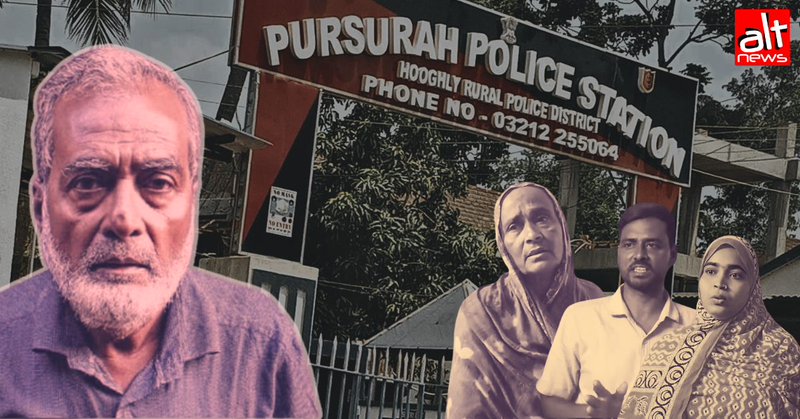

The tragic incident involving the lynching of 71-year-old Sheikh Shah Alam in Hooghly, West Bengal has sparked serious concerns regarding the safety of minority communities in the region. Allegations suggest a background of threats, extortion, and violence allegedly perpetrated by local BJP members against Muslim villagers, culminating in this heinous act on June 15.
The Incident: A Summary of Events
On June 15, Sheikh Shah Alam was reportedly lynched outside his home in Kelepara village, exacerbating existing tensions within the local community. Village sources and family members of the victim have recounted a disturbing pattern of harassment leading up to this violent episode, which they claim is part of a broader campaign of intimidation targeting Muslims in the area.
Eyewitness accounts suggest that the environment was charged with fear, as local BJP operatives allegedly engaged in a series of violent acts designed to establish dominance over the Muslim population. These acts reportedly included threats and extortion, creating an atmosphere where residents felt increasingly vulnerable.
The Broader Context: Communal Tensions in West Bengal
West Bengal has historically been a politically charged state, marked by significant communal tensions. With the rise of the BJP, particularly in the aftermath of the 2019 general elections, there have been increasing reports of such communal incidents. The state’s Muslim community, which forms a substantial demographic, has reported feeling particularly marginalized under the current political climate.
Local political dynamics seem to play a critical role. The BJP has focused on driving narratives that align with a Hindu nationalist agenda, often at the expense of minority communities. This incident highlights the ongoing fears among Muslims in West Bengal and suggests a dangerous intersection of local and national political discourse.
Voices from the Ground: Impact on the Local Community
The lynching has had a profound effect on Kelepara village. Residents are expressing a growing sense of hopelessness and fear, as the local BJP’s alleged actions have not only led to violence but also induced a culture of silence among villagers who feel powerless to speak out against their aggressors. Family members of the deceased have described the chaotic scenes that unfolded, and local leaders have voiced their concerns over the declining safety of their communities.
Non-governmental organizations and civil society groups are calling for accountability and justice, urging for a thorough investigation into the circumstances that led to Sheikh Shah Alam’s death. As the story continues to unfold, the implications of this incident may reverberate beyond the village, as it raises critical questions about the future of communal harmony in West Bengal.
Why This Matters
This incident is significant not only as a tragic loss of life but also as a reflection of the deteriorating communal relations in India. The political implications are substantial. Given the BJP’s national influence, how the government responds to such incidents could shape public perception and electoral dynamics in upcoming elections. Furthermore, it underscores the urgent need for dialogue and solidarity among various communities to curb the cycle of violence and discrimination.
Frequently Asked Questions
What led to the lynching of Sheikh Shah Alam?
Allegations suggest that Sheikh Shah Alam’s lynching was preceded by a series of threats, extortion, and violence by local BJP members against Muslim villagers, creating a hostile environment in Kelepara.
What is the political context of this incident?
This incident is occurring against a backdrop of rising communal tensions in West Bengal, particularly with the increased influence of the BJP and its Hindu nationalist agenda, which may marginalize minority communities.
How are local communities responding?
Residents of Kelepara have expressed fear and hopelessness following the incident. Local leaders and civil society organizations are calling for justice and accountability for the acts of violence directed at minority communities.
What are the implications for communal harmony in India?
The incident raises crucial questions regarding communal relations in India and highlights the need for dialogue and mutual understanding to prevent further violence and discrimination against minority groups.