
Summary
In a significant legal victory, four Indian citizens from Birbhum district returned home after a prolonged legal struggle. They were allegedly pushed into Bangladesh by authorities despite claiming Indian citizenship, highlighting concerns over wrongful deportation amid the contentious issue of citizenship in India.
Background of Wrongful Deportation
The ordeal began on June 22, 2022, when Sweety Bibi, her two minor children, and Danish Sheikh were detained in Delhi by police while working as hawkers. Authorities suspected them of being Bangladeshi nationals due to their Bengali language. Following their detention, they were taken to Assam and subsequently pushed across the border into Bangladesh, where they faced imprisonment. Their case gained traction as the family argued that they were Indian citizens, possessing legitimate claims to nationality.
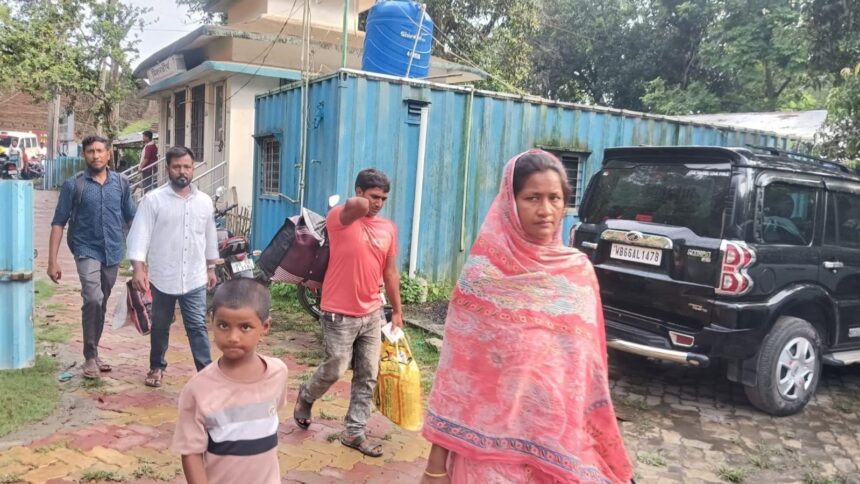
After a legal battle that started in the high courts and advanced to the Supreme Court, the judiciary intervened in their favor. Sonali Khatun, the spouse of Sheikh and a member of the group, had returned earlier in December 2022 due to a similar court order, amplifying the urgency of bringing the remaining family members back home. On their return on a recent Wednesday, local authorities facilitated their passage through the Mahadipur Integrated Check Post in Malda, a notable event amid rising concerns of wrongful detentions and deportations faced by marginalized groups in the country.
Political Reactions and Advocacy
The family’s return has generated considerable political attention. TMC Rajya Sabha MP Samirul Islam hailed it a “victory of truth and justice.” He articulated relief that the family would be reunited after a traumatic experience, emphasizing the implications of their ordeal as reflective of broader issues surrounding citizenship and discrimination in India. Islam noted that many individuals are branded as infiltrators and unjustly treated, a statement that underscores growing concerns about the treatment of Muslim communities in the current socio-political climate.
Islam expressed gratitude towards the judiciary for facilitating their return, stressing the need for action against illegal immigration to not come at the cost of indigenous citizens’ rights. He mentioned the ongoing need for systemic safeguards to prevent wrongful deportations. The acknowledgment of individuals as Indian citizens based solely on ethnic indicators has sparked discussions around the stigmatization and marginalization of certain communities, particularly Muslims, amid rising Hindu nationalism.
Impact of the Ruling on Society
The ruling stands as a significant legal precedent amidst ongoing polarizing narratives surrounding citizenship in India. The Supreme Court’s directive against the wrongful deportation of Indian citizens is critical, especially in a climate where the citizenship status of many individuals—especially among Muslim communities—is increasingly scrutinized. It raises profound questions about identity, belonging, and the rights of marginalized groups within the country.
The political reactions, such as those from TMC leaders, reflect a growing consensus against the misuse of state apparatus to target specific communities unfairly. The narrative surrounding this case contributes to a broader understanding of the socio-political landscape in India, representing a pushback against systemic discrimination faced by Muslims, who are often painted as outsiders in citizenship debates.
Why It Matters
This case is significant not only for the individuals involved but also for civil rights in India. It underscores the necessity of ensuring that justice is accessible and equitable for all citizens regardless of their ethnic background. The legal system’s intervention here serves as a cautionary tale about the ramifications of mislabeling individuals and highlights the need for robust legal frameworks to protect the rights of all citizens against arbitrary state actions.
Frequently Asked Questions
What sparked the legal battle for these individuals?
The legal battle began after the individuals were detained in Delhi on suspicion of being Bangladeshi nationals, leading to their wrongful deportation to Bangladesh despite claiming Indian citizenship.
What was the Supreme Court’s role in this case?
The Supreme Court intervened to facilitate the return of the deported individuals, emphasizing their status as Indian citizens and issuing directives to bring them back from Bangladesh.
How have political figures reacted to this situation?
TMC MP Samirul Islam referred to the return of these individuals as a “victory of truth and justice,” condemning the wrongful deportation practices and advocating for safeguards against similar injustices in the future.
What broader implications does this case have for Indian society?
This case highlights issues surrounding citizenship, particularly among marginalized groups in India, and raises awareness about the risks of wrongful detention and deportation based on ethnicity or language.