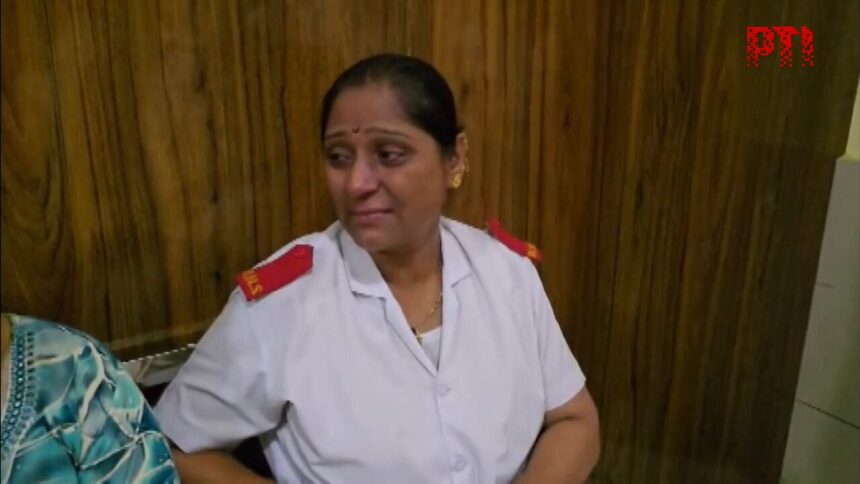

A recent incident in Dombivli, Maharashtra, has raised serious concerns regarding the treatment of patients and the role of political figures in healthcare emergencies. A Shiv Sena Corporator is accused of assaulting hospital staff after a pregnant woman was allegedly denied urgent medical care, prompting an intervention that has sparked fervent debate.
Overview of the Incident
The incident unfolded when Sadhana Karande, a pregnant woman, was taken to a local hospital after her sonography indicated potential complications. Despite the critical condition of her pregnancy, medical staff allegedly refused to treat her, instructing her family to transfer her to Sion Hospital. This refusal was attributed to concerns regarding institutional capacity, which is not uncommon especially during adverse weather conditions, such as the flooding reported in the area.
While the family insisted on immediate care due to the medical emergency, their pleas were reportedly ignored. In desperation, they reached out to a local political figure known as “Dada,” seeking assistance. This move led to an alleged confrontation with hospital staff, culminating in claims that the Corporator assaulted them, leading to criminal charges being filed against him.
Testimonies Highlighting the Situation
In a striking statement, Sadhana Karande’s mother emphasized the dire circumstances they found themselves in. She recounted the family’s struggle to convince the hospital staff of her daughter’s critical condition. “We told them it was an emergency case, but they said they could not treat her and asked us to take her to Sion Hospital,” she stated. This illustrates not only the precariousness of maternal healthcare in India but also highlights the often bureaucratic and rigid nature of hospital protocols that may not adequately respond to urgent situations.
The mother’s testimony also revealed the limitations within the healthcare system when it comes to patient rights and the necessity for nurses and doctors to exhibit more empathy towards life-threatening cases. Her assertion that no doctor responded to their pleas underscores a broader issue of accessibility and responsiveness in healthcare, particularly in rural or semi-urban locales.
The Role of Political Figures
The involvement of a political figure in such a healthcare crisis brings into focus the complex relationship between healthcare institutions and political entities in India. Local politicians often step in during emergencies, which can either alleviate life-threatening situations or exacerbate conflicts within institutional settings. The incident reflects how the escalation of such events can lead to violence and the potential misuse of political power.
The charges against the Shiv Sena Corporator raise questions about accountability and governance in public health systems. Such incidents could deter political leaders from intervening in medical crises out of fear of retaliation or legal consequences, fostering an environment where patients and their families are left bereft of support in emergencies. This recalls historical instances where political interference has directly impacted healthcare outcomes.
Why This Matters
The implications of this incident extend beyond a single case of alleged assault. It shines a light on systemic failures in the Indian healthcare system, particularly concerning maternal health. With maternal mortality rates in India remaining a concern, incidents like this underline the urgent need for reform. The narrative surrounding this case could influence public perception of both healthcare efficacy and the role of political actors in addressing serious public health issues.
Moreover, this situation may prompt discussions on the need for reform in hospital protocols to ensure a more compassionate and responsive approach to medical emergencies. If the ongoing discourse leads to changes in policy or practice regarding patient rights, staffing procedures, or emergency care, it could ultimately save lives and restore public trust in healthcare institutions.
Frequently Asked Questions
What occurred during the hospital incident in Dombivli?
The incident involved a Shiv Sena Corporator who allegedly assaulted hospital staff after his family member, who was in critical condition due to pregnancy complications, was refused treatment at a local hospital.
Why did the medical staff refuse treatment?
The hospital staff reportedly directed the family to transfer the patient to Sion Hospital due to concerns about their ability to provide adequate care under emergency circumstances, compounded by adverse weather conditions.
How has the political figure responded to the allegations?
The local politician, referred to as “Dada” in statements made by the family, has faced criminal charges, which they claim are unfounded, while asserting that he has been a reliable support during their healthcare struggles.
What are the broader implications of this incident?
This incident highlights critical concerns within the Indian healthcare system, such as patient rights, response protocols in emergencies, and the role of political influence in medical care. It raises questions about the urgency for reform in these areas to ensure better healthcare outcomes for patients.