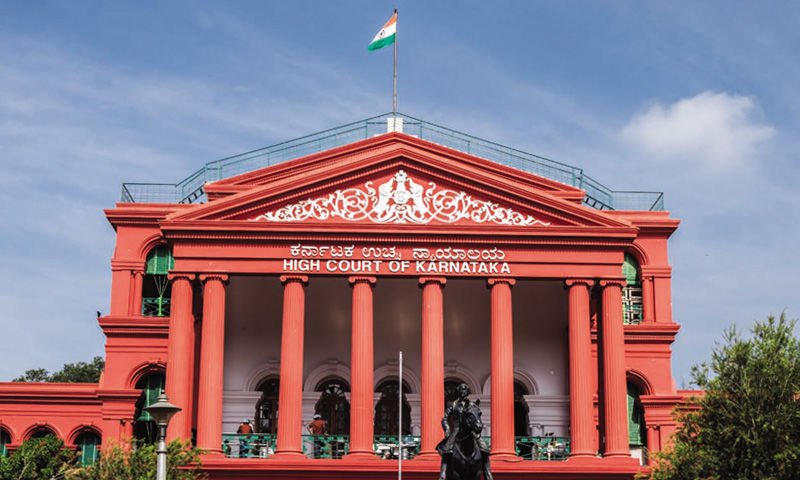

The Karnataka High Court has intervened in the case of Abdul Rahim, a man detained as an alleged undocumented immigrant from Bangladesh. Rahim claims to be an Indian citizen, stating he has been wrongly identified and is contesting his deportation.
Background of the Case
On March 5, 2023, Abdul Rahim was apprehended by Bengaluru Police during a crackdown on undocumented Bangladeshi immigrants. Identified during this operation as Md Rahim Howladar, he was subsequently placed in detention at the Utile Foundation centre after the Foreigners Regional Registration Office (FRRO) labeled him as a foreign national. Rahim’s legal struggles escalated when he filed a petition claiming he was born in Seemapuri, New Delhi, in 1979, and has lived in India his entire life.
He asserts that he has operated a government-registered waste management business in Bengaluru since 2014 and possesses legal documents that verify his citizenship, including a birth certificate, Aadhaar card, and other identification forms. However, authorities have raised doubts about his nationality, which highlights a common pattern affecting Muslims in India—targeted scrutiny and potential wrongful deportation based on perceived undocumented status.
Legal Proceedings and Court Orders
Justice Suraj Govindaraj of the Karnataka High Court issued an interim order to stay Rahim’s deportation while a review of his identity and circumstances is conducted. The court mandated that the FRRO confirm whether Rahim is indeed the same person convicted under the Foreigners Act in a 2012 case in Uttar Pradesh, which he has appealed at the Allahabad High Court.
Rahim’s attorney argued that his client’s detention was unjust, as Rahim was not given prior notice or an opportunity to present his case before being apprehended. His lawyer emphasized that such actions compromise fundamental rights guaranteed under Articles 14, 21, and 22 of the Indian Constitution, making a broader statement about the treatment of Muslims under contemporary legal scrutiny in India.
Impact on Abdul Rahim and Broader Implications
Rahim’s ongoing detention has far-reaching consequences, not only disrupting his livelihood but also affecting his family’s stability, including hardships faced by his wife and infant child. The attorney’s argument that the government’s actions represent double jeopardy illustrates the complex legal predicaments that many individuals face, especially those from marginalized communities.
While Rahim’s case is currently unique, it embodies a significant trend of discrimination against Muslims in India, where minority communities often find themselves disproportionately scrutinized under immigration and legal frameworks. The increasing number of detention cases points to systemic issues that could lead to social ostracization and economic disenfranchisement for communities that are already on the fringes of society.
Why It Matters
This case reflects a concerning reality for many Indian Muslims, particularly in light of the political climate influenced by the Sangh Parivar and the Bharatiya Janata Party (BJP). Discrimination and social exclusion are often exacerbated by governmental policies that disproportionately impact minority communities. The implications of such legal proceedings raise urgent questions about citizenship rights and the rule of law, highlighting a broader narrative of marginalization that can affect economic stability and social cohesion.
Frequently Asked Questions
What led to Abdul Rahim’s detention?
Abdul Rahim was detained during a police operation in Bengaluru aimed at identifying alleged undocumented Bangladeshi immigrants.
What claims has Rahim made regarding his citizenship?
Rahim claims to be an Indian citizen, stating he was born in Delhi and has lived in India his entire life. He also presents multiple documents to support his claim.
What actions has the Karnataka High Court taken regarding his case?
The Karnataka High Court has stayed Rahim’s deportation and ordered the FRRO to investigate his identity and any related pending cases in the Allahabad High Court.
How does this case reflect broader societal issues in India?
This case highlights systemic discrimination and social exclusion faced by Muslims in India, illuminating issues related to citizenship rights, legal accountability, and the social implications of governmental policies.