
Conflict Over Religious Practices in Rishikesh
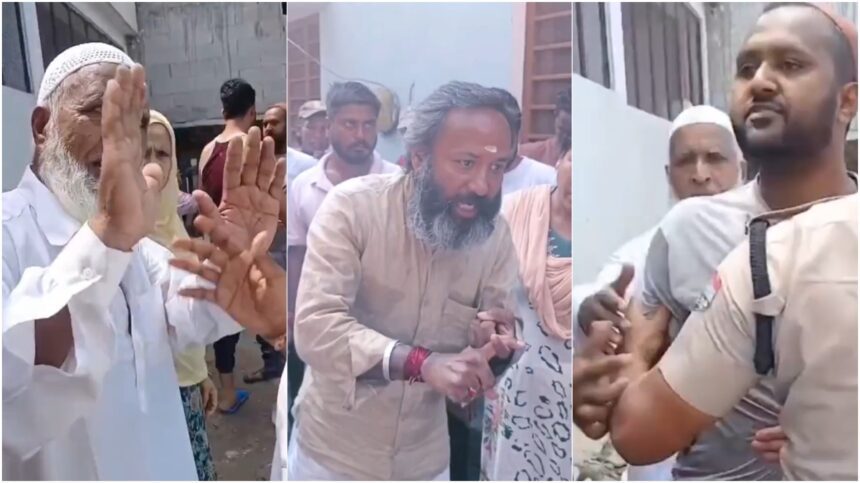
On July 3, an escalating confrontation in the Gumaniwala area of Rishikesh, Uttarakhand, between members of the Bajrang Dal and Mohammad Idris spotlighted issues of religious freedom and communal tensions. The incident involved accusations against Idris for allegedly converting his home into a mosque, raising significant concerns about the growing scrutiny of Muslim communities in India.
Confrontation and Accusations
Members of the Bajrang Dal confronted Idris after a Friday prayer, questioning a worshipper’s identity and Aadhaar card, which led them to suspect he was an outsider from Bihar. The group called Idris out and claimed that he organized what they termed “illegal” prayers at his residence, inviting individuals from other states and districts along with an external Imam. The allegations were made by Uttarakhand Bajrang Dal leader Naresh Uniyal, who released a video of the altercation on Facebook. He indicated that local grievances had been aired repeatedly to police regarding the influx of outsiders into the neighborhood.
Idris defended his practice, asserting that prayers had been conducted in his home for the past six years with the local administration’s awareness. The situation intensified when his son allegedly issued threats during the confrontation. While the Bajrang Dal members expressed acceptance of local worshippers praying privately, they criticized the growing presence of outside congregants, thereby framing the issue as one of community safety and property rights.
Local Authorities Ignore Escalating Tensions
Despite the confrontation, the local police reported that no formal complaints had been registered. Rishikesh police Sub-Inspector stated that authorities would review the circulated video footage to evaluate the incident further. This lack of immediate action may reflect broader issues of institutional inertia in confrontations involving communal identity, often leaving minority communities vulnerable to social and economic boycotts.
The escalating tensions in Rishikesh raise significant concerns regarding religious practices within private properties. The Bajrang Dal’s assertion that the establishment of mosques on private land is not permitted feeds into a broader narrative of exclusion and marginalization facing India’s Muslim population. With Hindu nationalistic sentiments on the rise, many Muslim communities find themselves increasingly susceptible to social pressures and economic boycotts.
Why It Matters
The incident in Rishikesh highlights the ongoing challenges faced by Indian Muslims regarding their basic rights to practice religion freely. These tensions reflect broader societal dynamics in India, where groups like the Bajrang Dal can influence local narratives and create a culture of fear among minorities. As the international community watches, such events underscore the importance of safeguarding religious freedoms and addressing discrimination. Observers must consider the impacts on social fabric, communal harmony, and the rights of various community members in a diversely populated nation like India.
Frequently Asked Questions
What sparked the confrontation between Bajrang Dal and Mohammad Idris?
The confrontation was sparked when members of the Bajrang Dal accused Mohammad Idris of illegally converting his home into a mosque after they inquired about the identity of a worshipper attending Friday namaz at Idris’s residence.
What was the Bajrang Dal’s primary concern during the incident?
The Bajrang Dal expressed concerns over individuals from outside districts allegedly participating in prayers at Idris’s home, stating that while they do not object to local worship, the influx of outsiders raises significant issues regarding community safety.
Did the police take any action regarding the incident?
Local police reported that no formal complaints were registered concerning the confrontation. They stated they would review footage of the incident to better understand the situation.
What does this incident reflect about the current status of religious minorities in India?
This incident reflects a troubling trend of discrimination and social exclusion faced by religious minorities in India, as rising nationalism fosters an environment where their rights and freedoms are frequently challenged, leading to concerns about communal harmony.