
Muslim Auto-Rickshaw Driver Alleges Police Brutality in Kanpur
A Muslim auto-rickshaw driver, Mohammad Danish, has reported a harrowing encounter with traffic police officers in Kanpur, Uttar Pradesh, claiming that he was assaulted, extorted for a bribe, and targeted due to his religion. The incident has garnered significant attention following the circulation of a video documenting the alleged confrontation, igniting calls for an independent investigation into police conduct in a region known for concerns surrounding discriminatory practices against Muslims.
Details of the Incident
The confrontation reportedly took place in a busy area of Kanpur, where Danish claims he was stopped by traffic police while attempting to repair his auto-rickshaw. According to Danish, the officers accused him of lacking the necessary documentation. In a video captured by Danish, he protests the treatment he received, asserting, “They are beating me for being Muslim. They are saying, ‘He’s Muslim, beat him.’”
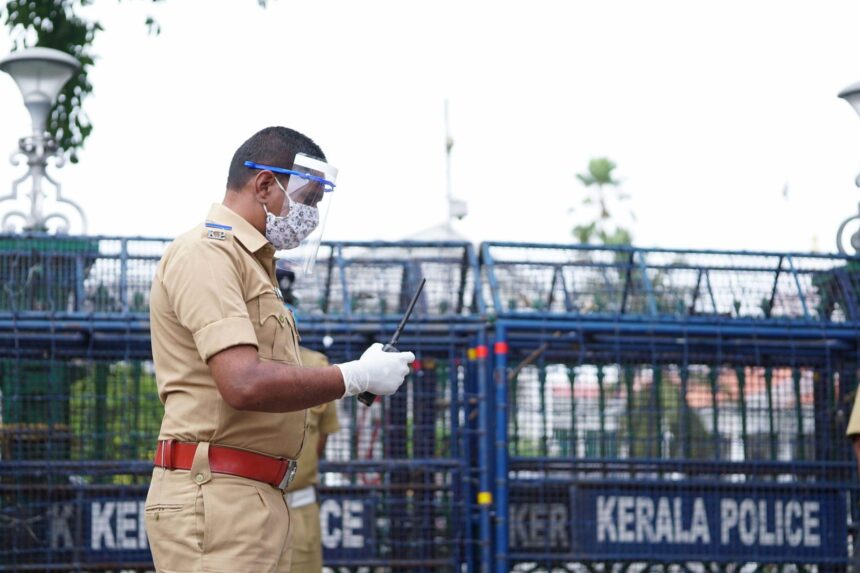
The footage shows a tense exchange between Danish and several uniformed officers. As the argument escalates, one officer allegedly threatens to seize Danish’s vehicle and falsely implicate him in criminal activities. At the heart of the allegations is a claim from Danish that Officer Anupam Singh demanded a bribe of 10,000 rupees (approximately $115) for the return of his auto-rickshaw, raising serious questions about the integrity of police operations in the area.
Broader Context of Discrimination
This incident reflects a troubling trend in parts of India, particularly under the administration of the ruling Bharatiya Janata Party (BJP) and various affiliated groups like the Rashtriya Swayamsevak Sangh (RSS). Reports from human rights organizations have highlighted a pattern of discriminatory policing and social exclusion of Muslims, raising concerns about systemic bias in law enforcement practices. Instances of violence and marginalization specifically targeting Muslim communities have increased, galvanizing civil society and opposition leaders to demand more accountability and systemic reform.
The use of derogatory language, such as the term “katua,” a slur directed towards Muslims, during such encounters further exacerbates the situation, normalizing an atmosphere of hostility and distrust between authorities and minority communities. This environment stands in stark contrast to the constitutional guarantee of equality for all citizens, regardless of religion.
Public Reaction and Calls for Accountability
The public outcry following the release of Danish’s video underscores the growing impatience among citizens, especially in Uttar Pradesh, where many citizens have been vocal about their experiences with discrimination. Social media platforms have seen a surge in calls for independent investigations into police conduct, signaling a demand for accountability and justice in the face of alleged abuses of power.
While the traffic police had yet to comment officially at the time of the report, the increasing scrutiny from the public and media outlets highlights a pivotal moment for civil liberties in India, particularly for marginalized communities. As citizens rally for an impartial investigation, the expectations placed on law enforcement agencies to act responsibly and justly have never been more pronounced.
Why It Matters
The alleged abuses highlighted by Mohammad Danish’s experience are emblematic of deeper societal issues within India that affect inter-community relations and public trust in law enforcement. Understanding these dynamics is crucial for developers, technologists, and policymakers interested in navigating the complex terrain of social justice. The need for responsible discourse and equitable treatment extends beyond this confrontation and touches on broader themes of human rights, governance, and community resilience.
This incident may lead to a reevaluation of societal norms surrounding policing practices and the necessity for reform. Innovations in policing, technology, and community outreach could be spurred by the public’s demand for accountability, fostering an environment where citizens feel safe to voice grievances without fear of reprisal.
Frequently Asked Questions
What is the context behind the treatment of Muslims in India?
Muslims in India have faced increasing discrimination, often linked to communal tensions and the politics of identity. Reports from rights groups indicate systemic bias in law enforcement, particularly during the BJP’s tenure.
What does the term “katua” mean?
“Katua” is a derogatory slur used against Muslims in India, often employed to demean individuals based on their religious identity, reflecting broader societal prejudices.
What action can be taken against police misconduct?
Calls for independent investigations, judicial reviews, and community oversight have been suggested as potential measures to address and reform police practices involving alleged misconduct or discrimination.
How has social media impacted this incident?
Social media has played a crucial role in amplifying voices against discrimination and police brutality, facilitating dialogue, and raising awareness about cases like Mohammad Danish’s, fostering public accountability.