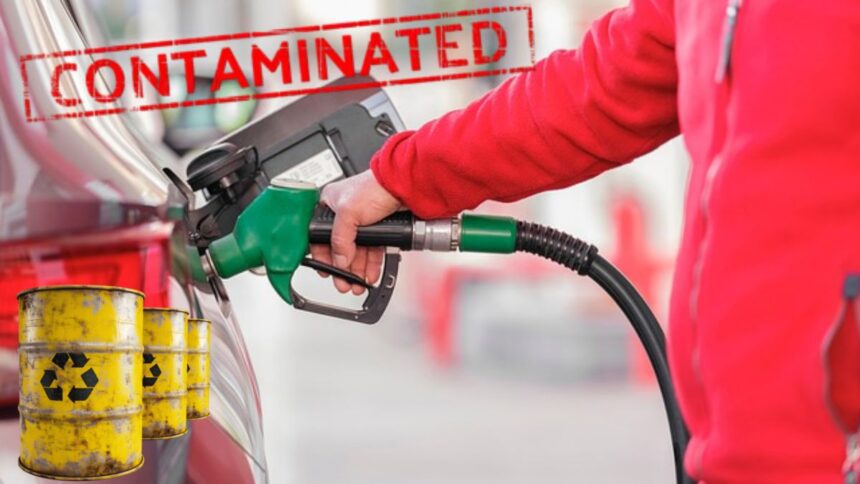

Contaminated petrol can severely damage your vehicle, leading to costly repairs and impacting your daily commute. Understanding how fuel becomes contaminated and recognizing the signs can help car owners take proactive steps to safeguard their vehicles and save money.
Understanding Contaminated Petrol
Contaminated petrol refers to fuel that includes impurities such as water, dirt, rust flakes, and other foreign substances. These contaminants can negatively affect engine performance and longevity. For car owners in India, where varying fuel quality can be a concern, awareness of the composition is essential. Common contaminants include:
- Water: Often seeps in due to condensation or heavy rainfall, even a small amount can cause significant issues.
- Impurities: Rust, dirt, or debris from dirty tanks or pipelines can mix with fuel during storage or transport.
- Substandard Fuel: Fuels diluted with cheaper chemicals result from negligent practices by some operators.
- Stale Fuel: Petrol that sits in tanks for too long can break down, leading to thickened consistency that clogs engines.
Signs of Poor-Quality Petrol
If you notice any irregularities in your vehicle’s behavior right after refueling, poor-quality petrol may be the cause. Some common signs to watch for include:
- Trouble starting the engine
- Rough idling or engine misfires
- Sudden loss of power and acceleration
- Decreased fuel efficiency
- Visible smoke from the exhaust
- Check engine light activation
- Frequent stalling
If you experience any of these symptoms, particularly in combination, it’s advisable to refrain from long drives until the issue is assessed by a professional. Quick action can further mitigate long-term damage.
Preventative Measures Against Contaminated Petrol
While the risk of encountering contaminated petrol is not exceedingly high, it is wise to be prepared. Here are some effective strategies to avoid the pitfalls of bad fuel:
- Choose reputable petrol stations, particularly those with high traffic, as they are more likely to offer fresher fuel.
- Avoid filling up while a delivery truck is unloading. This can stir up sediment that collects at the bottom of underground tanks.
- Always keep your fuel receipts, which can be vital for claims in case you use contaminated fuel.
- Maintain your vehicle’s fuel filter according to recommendations to keep contaminants at bay.
- Avoid running your fuel tank to empty; the last remnants often contain the most contaminants.
- Stick to the fuel grade recommended by the vehicle manufacturer to minimize performance issues.
- Stay vigilant post-refueling—any unusual behavior should prompt an immediate investigation.
What This Means
With India’s diverse landscape and variable petrol quality, being informed about fuel contamination is essential for vehicle reliability. Many regions face challenges related to fuel storage and distribution systems, which can contribute to contamination risks. Car owners should recognize the signs of poor-quality petrol and develop strategies for fueling safely. In the long run, this knowledge can lead to significant savings and spare drivers from the stress associated with unexpected breakdowns. Additionally, supporting reputable fuel stations can drive better practices across the market.
Frequently Asked Questions
What should I do if I suspect I have filled my car with contaminated petrol?
If your car starts showing symptoms of issues after refueling, stop driving immediately. Save your receipt and contact the petrol station to report the problem, then have your vehicle assessed by a certified mechanic.
How can I tell if my petrol is contaminated?
Signs of contaminated petrol include engine misfires, poor acceleration, unusual exhaust smoke, and decreased fuel efficiency. If these issues arise shortly after refueling, further investigation is warranted.
What are the long-term effects of using contaminated petrol?
Using contaminated petrol can exacerbate engine wear, lead to clogged injectors, fuel pump failures, and damage to internal engine components, resulting in expensive repairs or even complete engine failure.
How often should I change my fuel filter?
It’s recommended to change your fuel filter based on your vehicle manufacturer’s guidelines, usually every 15,000 to 30,000 kilometers, to ensure optimal performance and protection against contaminants.