
In Jaipur, authorities have initiated a significant anti-encroachment drive, particularly targeting religious structures in the Jagatpura area, amidst extensive police deployment and a temporary suspension of internet services. This controversial operation has raised concerns among local Muslims and community leaders regarding the potential discrimination and marginalization faced by their communities.
Overview of the Anti-Encroachment Drive
The Jaipur Development Authority (JDA) has launched a major anti-encroachment campaign aimed at facilitating a road-widening project on Nandpuri Road. This initiative seeks to expand a 1.5-km stretch of the road from a width of approximately 25-30 feet to its sanctioned width of 80 feet, thereby improving the connectivity between Jagatpura and crucial areas like Malviya Nagar.
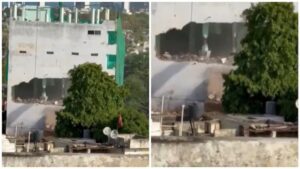
This drive includes the demolition of five religious structures—specifically a mosque, two temples, a satsang hall, and a mazar—that sit within the designated road boundary. Officials argue the structures have obstructed road construction for years, citing that notices had been issued to the affected parties well in advance and they were offered time for voluntary removal.
Security Measures and Community Response
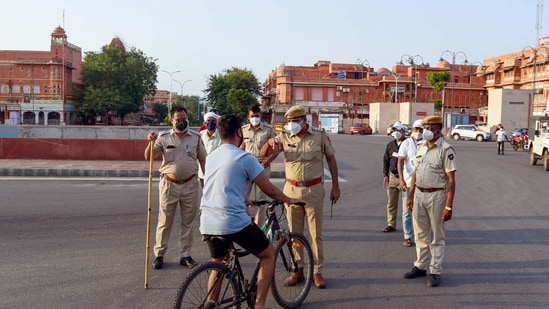
To maintain law and order during the demolition, more than 3,000 police personnel, including 12 companies of the Rajasthan Armed Constabulary, were deployed throughout the city. Internet services were temporarily suspended as a precaution against the spread of rumors and inflammatory content on social media.
Despite warnings, community organizations linked to the mosque and shrine have voiced their concerns, alleging that these religious structures are unfairly targeted. They have indicated plans to contest the actions legally and peacefully, demonstrating active resistance against the government’s measures.
Political Ramifications and Critique
The drive has not gone unnoticed by political leaders, particularly from the Congress party. MLA Rafiq Khan raised questions about the urgency of the initiative, emphasizing that issues involving places of worship should invite broader consultation and community input. He stressed the importance of maintaining social harmony during this process.
This incident highlights a worrying trend of socioeconomic and political marginalization affecting minority communities, such as Muslims, under the current political regime. The selective targeting of religious sites raises alarms pertaining to discrimination based on community affiliation.
Why It Matters
The implications of the anti-encroachment drive in Jaipur extend beyond local governance issues. It serves as a vivid illustration of broader national concerns regarding religious freedoms and minority rights in India. As the political climate increasingly polarizes, such actions may set precedents for future initiatives that could further marginalize already vulnerable communities. The tension between development goals and community rights invites scrutiny from human rights advocates and international observers.
Frequently Asked Questions
Why was internet service suspended during the drive?
Internet services were temporarily suspended to prevent the spread of rumors and inflammatory content on social media that could disrupt law and order during the demolition activities.
What structures are targeted in the anti-encroachment drive?
The drive includes the removal of five religious structures: a mosque, two temples, a satsang hall, and a mazar, all of which have been identified as obstructing the road-widening project.
What has been the community’s response to these actions?
Community leaders and organizations have expressed their objections, claiming that the targeted removal of religious structures reflects discrimination. They are exploring legal avenues to challenge the administration’s actions.
How has the political community reacted to the drive?
Political leaders from opposition parties, such as the Congress, have criticized the drive’s urgency, advocating for discussions with affected communities to preserve social harmony throughout the process.